How to Build a Good Credit Score (2025 Updated Guide)
Your credit score is one of the most powerful numbers in your financial life. It affects your ability to get loans, buy a home, secure better interest rates, rent an apartment, or sometimes even land a job. Despite its importance, many people misunderstand how credit scores work — especially the myth that credit scores change daily.
The truth?
Credit scores are updated periodically (usually monthly), not every single day.
What does change daily is your activity — and those habits eventually influence the next score update.
In this guide, you’ll learn:
- How credit scores really work
- What hurts or improves your score
- The best habits to build and maintain excellent credit
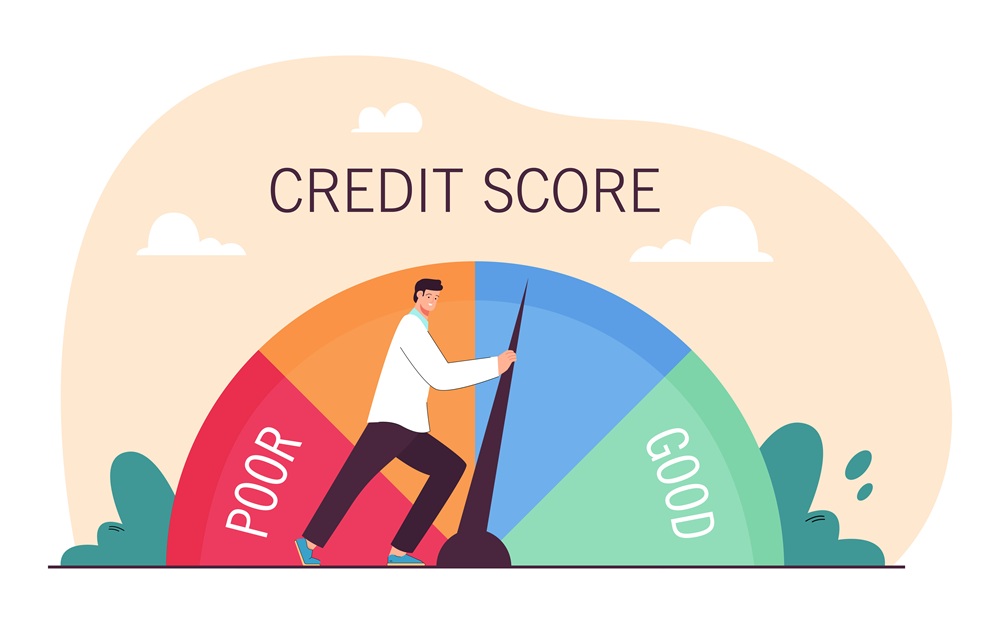
- What makes a credit score poor
- Practical, beginner-friendly steps to strengthen your credit health in 2025
Are Credit Scores Calculated Daily?
No — credit scores are not calculated or updated daily.
Credit bureaus (Experian, TransUnion, Equifax) typically update scores every 30–45 days, depending on when lenders report your activity.
Here’s how it works:
Your daily activities:
- Making payments
- Using credit cards
- Applying for loans
- Closing accounts

Credit bureau updates:
- Happen periodically (monthly)
- Include new information from lenders
- Use scoring models like FICO® or VantageScore®
This means your habits matter more than the timing — because your next update will reflect all previous actions.
Tips for Building a Good Credit Score in 2025
Improving your credit is not complicated — it just requires smart habits and consistent effort. Here’s what truly moves the needle:
1. Spend Wisely — Only Buy What You Can Afford
A credit card is not extra income — it’s borrowed money that must be repaid.
Overspending leads to:
- High balances
- Missed payments
- High credit utilization
- Long-term debt
Avoid this spiral by using credit cards only for expenses you can pay off on time.
2. Pay Every Bill on Time (No Matter What)
Your payment history accounts for about 35% of your credit score — the single biggest factor.
Late payments can stay on your report for up to 7 years.
To protect your score:
- Set up autopay
- Use reminders
- Pay at least the minimum due
- Avoid skipping payments even during financial stress

Timely payments = long-term credit strength.
3. Keep Your Credit Cards Active
Many people mistakenly close old credit cards — but this hurts your score.
Why?
- Older accounts increase your credit history length
- More available credit lowers credit utilization
- Active accounts show responsible long-term behavior
Even if you rarely use it, swipe your old card occasionally to keep it active.
4. Avoid Opening Unnecessary Credit Accounts
Applying for too many cards or loans creates:
- Hard inquiries
- Lower average account age
- Higher risk indicators
Stick to 2–3 well-managed credit accounts, especially if you’re just building your credit.
Only apply for new credit when you truly need it.
5. Use Credit Builder Loans or Secured Credit Cards
If you are new to credit or recovering from poor credit, consider:
- Credit Builder Loans
- Secured Credit Cards
- Zero-deposit “rebuild” cards
- Bank-sponsored starter programs
These tools help establish positive payment history safely.
Banks like American Express, Capital One, and Discover offer beginner-friendly credit-building products.
What Makes a Credit Score Poor?
A poor credit score is caused by negative financial behavior that signals risk to lenders.
The biggest causes include:
- Late or missed payments
- High credit utilization (over 30%)
- Accounts in collections
- Loan defaults
- Bankruptcy
- Too many credit applications in a short time
- Very short credit history
- Closing old accounts
To rebuild credit, focus on consistency, low balances, and on-time payments.
Conclusion
Building a strong credit score doesn’t happen overnight — but it does happen with consistent, smart financial habits.
Remember:
- Credit scores update periodically, not daily
- Spend only what you can afford
- Pay on time, every time
- Keep old cards active
- Avoid unnecessary accounts
- Use credit-builder tools when needed
Your credit score is a long-term asset. Treat it with care today, and it will reward you with better financial opportunities tomorrow.