Which Dog Has the Strongest Bite Force? (Explained with PSI Data)
The dog with the strongest measured bite force is the Kangal Shepherd Dog, with estimates ranging between 700–743 PSI (pounds per square inch). Bite force refers to the pressure a dog can exert with its jaws, not how aggressive or dangerous the dog is.
While bite force is often discussed in relation to safety, a strong bite does not automatically mean a dog is aggressive. Training, environment, socialization, and owner responsibility play a far greater role in real-world incidents.
This guide explains which dog breeds have the strongest bite force, how PSI is measured, and what bite force actually means in practical terms.
Quick Answer: Dogs With the Strongest Bite Force
Measured or estimated bite-force leaders include:
- Kangal Shepherd Dog – ~700–743 PSI
- Bandog (Mastiff mix) – ~700+ PSI
- Cane Corso – ~650–700 PSI
- English Mastiff – ~550+ PSI
- Tosa Inu – ~550 PSI
- Presa Canario – ~540–560 PSI
- Dogo Argentino – ~500 PSI
These figures reflect jaw strength, not attack frequency.
What Does Bite Force (PSI) Actually Mean?
Bite force, measured in PSI, describes how much pressure a dog’s jaws can exert when biting. Higher PSI means stronger jaws, but it does not predict behavior.
Important clarification:
- PSI ≠ aggression
- PSI ≠ likelihood of biting
- PSI ≠ danger level
Most dog bites happen due to fear, pain, stress, or poor socialization, not jaw strength.
Dog Breeds With the Strongest Bite Force (Explained)
1. Kangal Shepherd Dog (≈700–743 PSI)

The Kangal is widely cited as having the strongest bite force among domestic dogs. Originally bred in Turkey to guard livestock against predators, Kangals developed powerful jaws as a defensive tool.
Despite their strength, Kangals are known for:
- Calm temperament
- High loyalty to owners
- Low unprovoked aggression
Their bite force evolved for predator deterrence, not attack.
2. Bandog (≈700+ PSI)
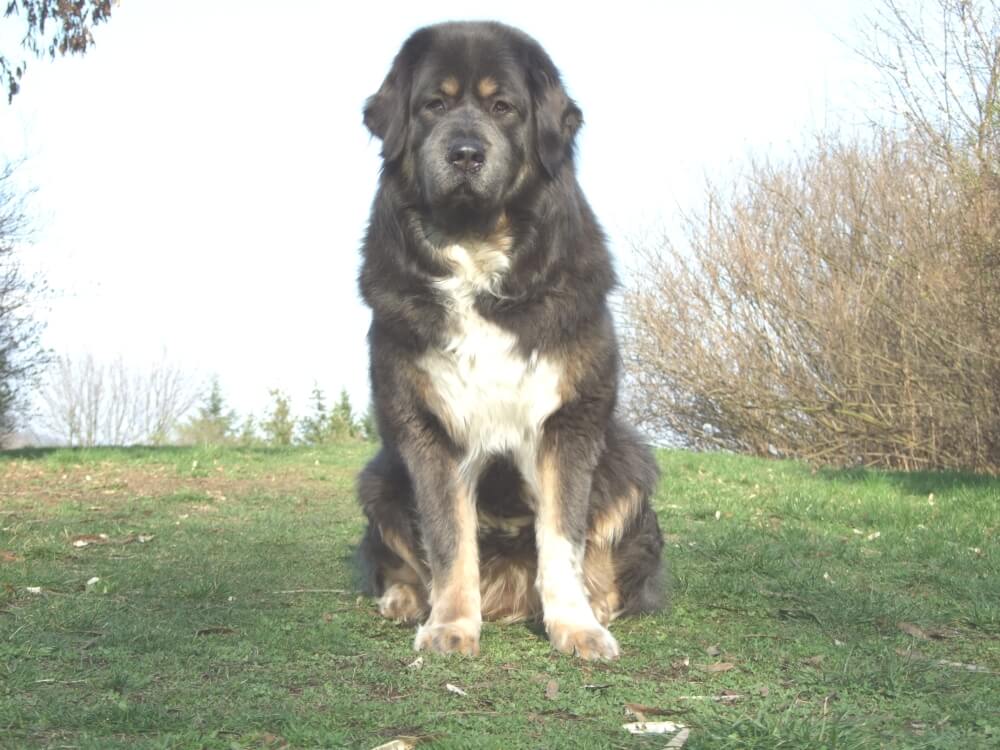
The Bandog is a mastiff-type crossbreed, typically combining bulldog and mastiff traits. This breed was historically developed for guarding and protection.
Key traits:
- Extremely muscular jaw structure
- High protective instincts
- Requires experienced ownership
Because Bandogs are not a standardized breed, bite-force estimates vary.
3. Cane Corso (≈650–700 PSI)
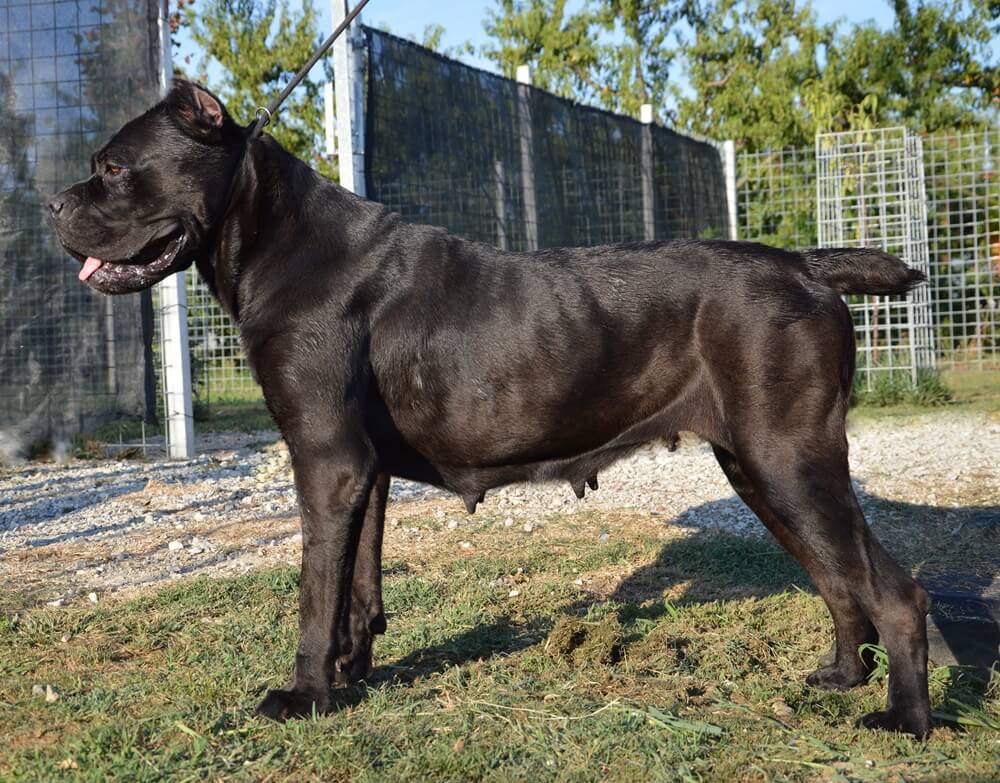
Cane Corsos are Italian mastiffs bred for guarding property and livestock. Their bite force is among the strongest in guardian breeds.
They are:
- Highly intelligent
- Loyal to family
- Naturally protective
Without training and structure, their physical strength can become difficult to manage.
4. English Mastiff (≈550–556 PSI)
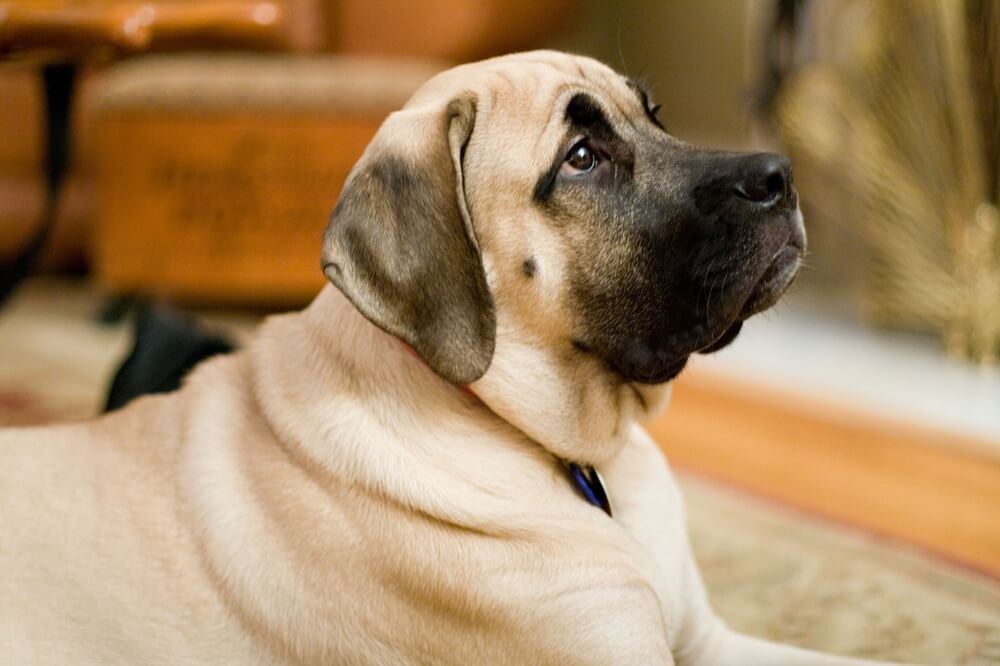
One of the largest dog breeds by mass, the English Mastiff’s bite force comes from sheer size and jaw leverage rather than aggression.
They are generally:
- Calm and gentle
- Family-oriented
- Low energy for their size
Aggression is uncommon unless provoked or poorly handled.
5. Tosa Inu (≈550 PSI)

Originally bred in Japan for regulated dog fighting, the Tosa Inu possesses strong jaws and a composed, stoic temperament.
Important considerations:
- Restricted or banned in several countries
- Requires expert handling
- Not ideal for inexperienced owners
Their strength demands responsibility.
6. Presa Canario (≈540–560 PSI)
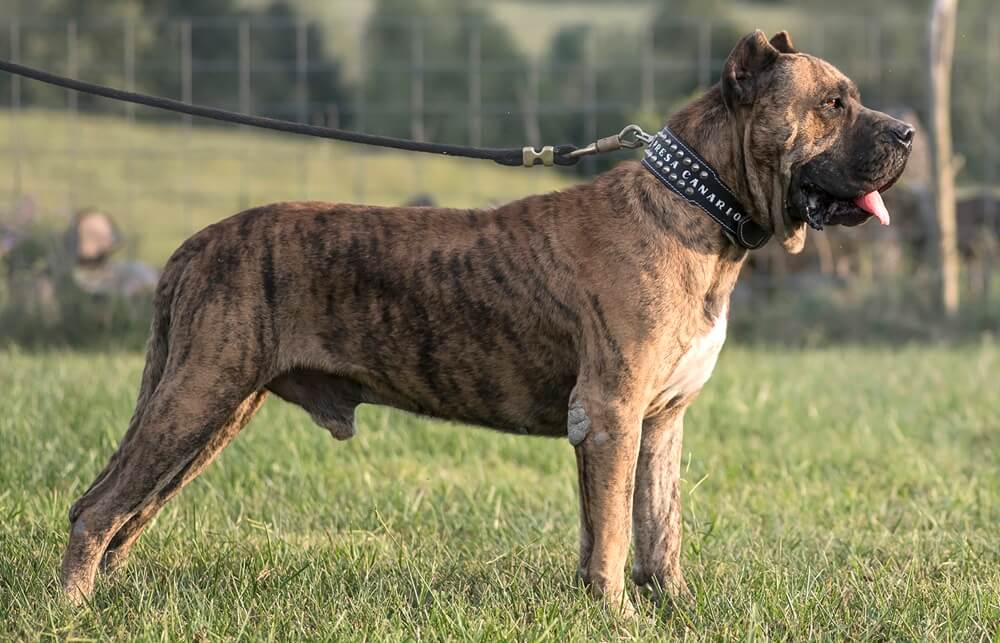
The Presa Canario was bred for guarding and livestock management. It has a powerful jaw and a confident presence.
They are:
- Territorial by nature
- Loyal to owners
- Strongly influenced by training quality
7. Dogo Argentino (≈500 PSI)
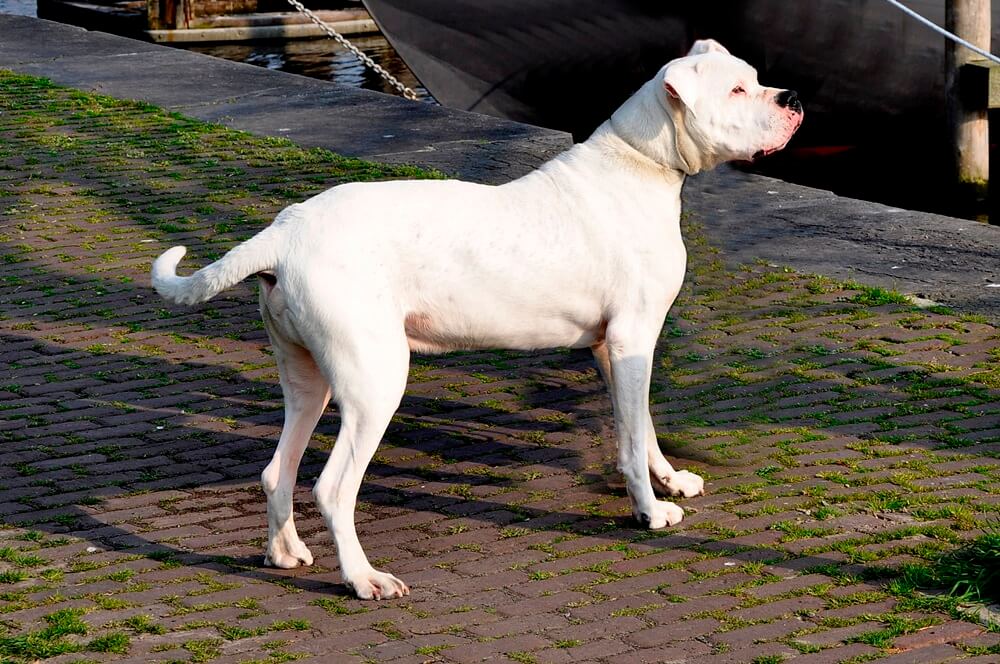
Developed for big-game hunting, the Dogo Argentino combines strength, stamina, and jaw power.
They are known for:
- High athleticism
- Loyalty
- Strong prey drive
With proper socialization, they can function as stable family dogs.
Do Dogs With Strong Bite Force Bite More Often?
No.
Research and bite statistics consistently show that bite frequency is linked to environment, supervision, and training—not jaw strength.
Smaller dogs with far lower PSI often bite more frequently, but cause less injury due to size.
Common Misconceptions (Important)
“Strong bite force means the dog is aggressive”
False. Many high-PSI breeds are calm and stable when properly raised.
“Only large dogs are dangerous”
False. Any dog can bite under stress or fear.
“PSI predicts fatal attacks”
False. Fatal incidents are extremely rare and influenced by multiple factors.
In a Nutshell
The Kangal Shepherd Dog has the strongest recorded bite force among domestic dogs, but bite force alone does not determine danger. Strength without aggression is common in many guardian breeds.
Responsible ownership, training, and socialization matter far more than PSI numbers.
FAQs – Dog Bite Force
Which dog has the strongest bite force?
The Kangal Shepherd Dog, with estimates up to 743 PSI, is widely considered the strongest.
Can a Kangal bite break a bone?
In extreme circumstances, a strong bite could fracture small bones, but Kangals are not naturally aggressive and rarely bite without provocation.
Is a wolf’s bite stronger than a dog’s?
Yes. Wolves can exceed 900–1,000 PSI, which is stronger than any domestic dog.
Does bite force predict dog attacks?
No. Behavior, environment, and training are far more predictive than jaw strength.