
How Long Does H. pylori Take to Cause Cancer? Timeline, Risk Factors, and Prevention
Hearing that a common stomach infection can increase the risk of cancer is understandably alarming. Helicobacter pylori (H. pylori) is one of the most widespread bacterial infections worldwide, yet only a small percentage of infected people ever develop stomach cancer. That leaves many patients asking the same question: If I have H. pylori, how long does it take to cause cancer—if it does at all?
The relationship between H. pylori and cancer is not instant. It usually involves years or even decades of chronic inflammation and gradual changes in the stomach lining. How fast this process moves, or whether it ever progresses to cancer, depends on a mix of bacterial, genetic, environmental, and lifestyle factors.
This Eureka guide explains everything you need to know about how long H. pylori can take to contribute to cancer, what increases or lowers your risk, and how timely diagnosis, treatment, and prevention strategies can help protect your stomach health over the long term.
Key Takeaway
H. pylori does not cause cancer overnight; in people who go on to develop H. pylori‑related gastric cancer, the process usually unfolds over many years—often decades—through a stepwise sequence from chronic gastritis to precancerous changes and, in a minority of cases, to cancer; early detection and eradication of the infection can significantly lower this risk.
What is Helicobacter Pylori?
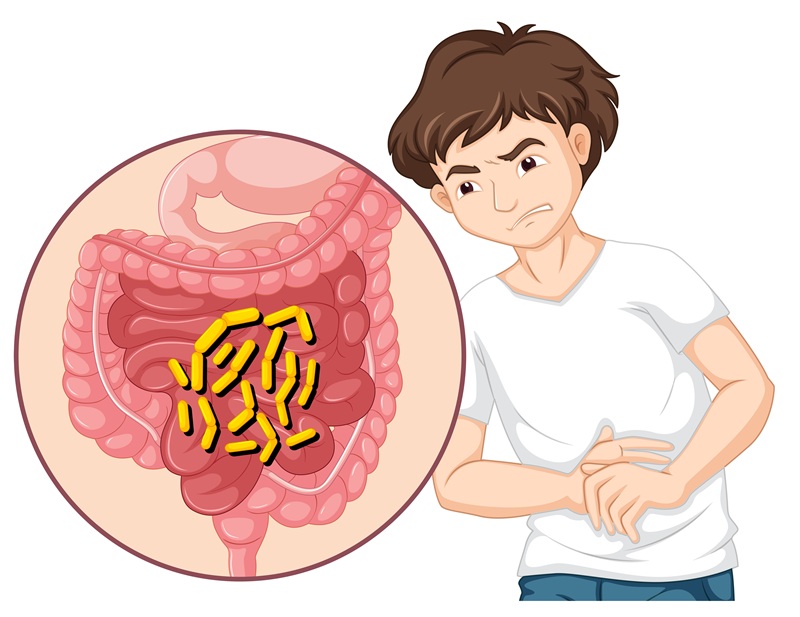
H. pylori is a spiral‑shaped bacterium that colonizes the stomach lining. Its shape and flagella (tail‑like structures) help it move through the stomach’s protective mucus layer, allowing it to attach to cells and survive in an environment that is normally too acidic for most bacteria.
This infection is extremely common; a large portion of the world’s population is exposed at some point in life, especially in regions with crowded living conditions or limited access to clean water and sanitation. Many people are infected in childhood and remain colonized for years or decades if the infection is not treated.
H. pylori is best known for causing chronic gastritis (long‑term inflammation of the stomach) and peptic ulcers, but in a subset of people, persistent infection contributes to the development of certain types of stomach cancer and MALT (mucosa‑associated lymphoid tissue) lymphoma.
Cancers Linked to H. pylori and Why it Matters
Studies link H. pylori to approximately 89% of non-cardia gastric adenocarcinoma cases, and between 92–98% of gastric MALT lymphoma cases.
The most clearly established cancer linked to H. pylori is gastric adenocarcinoma, particularly cancers that arise from the main body and lower part of the stomach. Persistent infection can also lead to gastric MALT lymphoma, a form of non‑Hodgkin lymphoma that originates in immune tissue in the stomach lining.
In gastric adenocarcinoma, H. pylori triggers a cascade: chronic inflammation of the stomach lining can slowly lead to atrophy (thinning and loss of normal glands), then intestinal metaplasia (stomach cells starting to resemble intestinal cells), then dysplasia (abnormal, precancerous cells), and finally invasive cancer in some cases.
Not everyone with H. pylori will go down this pathway. Many people live with the infection and never develop cancer. Understanding the link is important because it highlights a preventable step in the chain: identifying and eradicating H. pylori can help reduce the risk of these cancers, especially in higher‑risk populations.
Typical Timeline: From H. pylori Infection to Cancer
There is no single fixed “clock” that ticks the same way in everyone, but in people who do develop H. pylori‑related gastric cancer, the process usually takes a long time.
A simplified timeline often looks like this:
- Early infection: H. pylori arrives in the stomach, usually in childhood in many parts of the world. At this stage, there may be little to no noticeable symptoms.
- Chronic gastritis (years): The immune system reacts, leading to ongoing inflammation of the stomach lining. This can last for many years and may or may not cause symptoms like pain, discomfort, or indigestion.
- Atrophy and intestinal metaplasia (many years): In some individuals, chronic inflammation gradually damages normal stomach glands (atrophy) and leads to intestinal‑type cells appearing where stomach cells should be (intestinal metaplasia). These are considered precancerous changes.
- Dysplasia and cancer (often decades): A smaller group of people progress from these precancerous stages to dysplasia and eventually gastric adenocarcinoma. This full sequence typically develops over decades rather than months or a few years.
Research supports this — one long-term follow-up study monitored patients for up to 14.1 years after H. pylori eradication, with gastric cancer diagnosed as late as 13.7 years after successful treatment. The longest reported interval between eradication and cancer was 18.3 years.

For gastric MALT lymphoma, the timeline can also be long but is more variable. In many cases, early‑stage MALT lymphoma can actually regress when H. pylori is eradicated, which is why timely diagnosis and treatment are so important.
Factors That Influence How Fast (and Whether) Cancer Develops
Not everyone with H. pylori will develop cancer, and not everyone progresses at the same speed. Several factors shape the risk and the timeline.
Age at Infection and Duration
People who acquire H. pylori in early childhood may have decades of exposure to chronic inflammation. The longer the stomach lining is inflamed, the more time there is for the stepwise changes that can lead to cancer to accumulate. Early infection plus long duration can therefore increase risk compared to late‑onset, shorter‑term infection.
Genetic Factors
Individual genetic differences can affect how strongly the immune system responds to H. pylori and how the stomach tissue reacts to chronic inflammation. Some people may be genetically more prone to developing severe gastritis, atrophy, or precancerous changes, while others experience milder effects despite being infected.
Family history of gastric cancer can sometimes hint at a higher underlying risk, though genetics are only one part of the picture.
Bacterial Strain and Virulence
Not all H. pylori strains are equal. Some carry additional virulence factors (specific genes and proteins) that trigger more intense inflammation and a higher likelihood of damaging the stomach lining. People infected with more aggressive strains may have a greater chance of progressing along the gastritis‑to‑cancer pathway, and potentially at a faster rate.
Individual Health and Immune Response

Overall health, co‑existing conditions, and immune status matter. A robust immune system may limit bacterial load or inflammation, while other health issues, nutritional deficiencies, or immune problems can sometimes worsen the impact of infection.
Long‑term use of certain medications, such as those that affect stomach acid, can also change the stomach environment and may interact with H. pylori’s effects, though this is complex and best interpreted by a clinician.
Environmental and Lifestyle Factors
Lifestyle can either amplify or reduce the risk associated with H. pylori. Factors that can worsen the trajectory include:
- Diets high in salt and heavily preserved or smoked foods.
- Low intake of fresh fruits and vegetables.
- Smoking and heavy alcohol use.
By contrast, healthier dietary patterns, smoking cessation, and moderation in alcohol consumption may help lower overall gastric cancer risk, even when H. pylori infection is present or has been present in the past.
How Long Does it Take in Practical Terms?
From a practical standpoint, in people who do eventually develop H. pylori‑related gastric cancer, the interval between initial infection and cancer is usually measured in decades, not months or a few years. Many infections begin in childhood, while gastric cancer often appears in middle age or later.
That said, there is no guaranteed schedule:
- Some people live a lifetime with H. pylori and never develop significant complications. After successful H. pylori eradication, the estimated annual risk of developing gastric cancer is around 0.30% — low, but a reminder that vigilance matters long-term.
- Others may develop ulcers or precancerous changes sooner, particularly if they have multiple risk factors.
Because the timeline is long and variable, the key takeaway is not to wait for symptoms or a specific number of years. Instead, the focus should be on identifying infection, assessing personal risk, and treating H. pylori when recommended by a healthcare professional.
Pros & Cons of Focusing on “How Long”
Pros
- ✔ Asking “how long does it take” highlights that cancer from H. pylori is usually a slow process, giving time for detection and intervention.
- ✔ It helps patients understand why doctors talk about chronic inflammation and long‑term follow‑up rather than immediate alarm.
- ✔ It underscores the value of early testing and treatment before advanced changes occur.
Cons
- ✘ Focusing solely on a number of years can be misleading, since individual risk varies widely and there is no single timeline that fits everyone.
- ✘ It may create false reassurance (“I haven’t had it long, so I’m safe”) or unnecessary anxiety (“I’ve had it for years, so cancer is inevitable”), neither of which is accurate.
A better approach is to pair the timeline question with a personalized risk assessment and clear action plan from a healthcare provider.
Advanced Information / Deep Dive on the “Correa Cascade”
Researchers often describe the stepwise development of gastric cancer from chronic H. pylori infection using what is sometimes called the “Correa cascade” (named after the pathologist who outlined it). In simple terms, the stages are:
- Chronic non‑atrophic gastritis: H. pylori triggers ongoing inflammation.
- Atrophic gastritis: Normal stomach glands are gradually lost or thinned.
- Intestinal metaplasia: Stomach lining cells start to look and behave more like intestinal cells.
- Dysplasia: Cells become increasingly abnormal, considered precancerous.
- Carcinoma: Invasive gastric cancer develops.

Each step may take years. Not everyone progresses through all stages, and some may slow or halt at certain points, especially if H. pylori is eradicated and other risk factors are addressed. Understanding this cascade helps explain why doctors sometimes follow patients with known precancerous changes more closely, even after successful H. pylori treatment.
Diagnosis and Treatment: Breaking the Chain
The main goal of diagnosing and treating H. pylori is to break the chain before it reaches advanced stages.
Several tests can detect H. pylori:
- Breath tests that measure substances produced when H. pylori is present.
- Stool antigen tests that look for bacterial proteins in a stool sample.
Blood tests that detect antibodies (though these may not distinguish past from current infection as well as other tests).
Endoscopy with biopsy, where a small tissue sample from the stomach lining is taken for direct examination and testing.
Standard treatment usually combines two or more antibiotics (such as clarithromycin, amoxicillin, or metronidazole, depending on local resistance patterns and guidelines) with a proton pump inhibitor to reduce stomach acid and help the antibiotics work more effectively. In some regimens, additional medications such as bismuth compounds may be added.
Eradicating H. pylori can:
- Heal or improve gastritis and ulcers.
- Reduce the risk of future ulcer complications.
Lower the risk of developing gastric cancer or MALT lymphoma, especially when treatment occurs before advanced precancerous changes are firmly established.
Prevention and Risk Reduction Strategies
Because H. pylori often spreads through contaminated food, water, or close person‑to‑person contact, prevention focuses on both infection control and lifestyle:
- Hygiene and sanitation: Access to clean water, proper food handling, and good hand‑washing practices are especially important in areas where H. pylori is common.
- Screening in high‑risk groups: In some countries or high‑incidence populations, screening and treating H. pylori may be recommended as a public health measure to reduce gastric cancer rates.
- Diet and lifestyle: Eating a diet rich in fruits and vegetables, limiting very salty and heavily preserved foods, avoiding smoking, and moderating alcohol intake can all help lower overall stomach cancer risk.
- Future prospects: Vaccine research against H. pylori is ongoing. While no widely available, routinely used vaccine exists yet, the goal is to find ways to prevent infection in the first place, especially in high‑risk regions.

H. pylori Infection vs. Cancer Development
| Aspect | H. Pylori Infection | H. Pylori‑Related Cancer (Potential) |
|---|---|---|
| Timeframe | Often starts in childhood or early life | Usually develops over many years/decades |
| Common outcome | Chronic gastritis, sometimes ulcers | Only a minority progress to cancer |
| Key process | Persistent colonization and inflammation | Stepwise changes: atrophy → metaplasia → dysplasia → carcinoma |
| Reversibility | Often eradicated with antibiotics | Early changes may stabilize; advanced cancer needs oncologic care |
| Main intervention | Testing and eradication therapy | Cancer screening, surveillance, treatment |
This table helps highlight why early detection and treatment are so important: the infection is often treatable long before cancer develops.
Expert Recommendation
If you have H. pylori or think you might, it is more useful to focus on action than to fixate on a specific number of years. The key steps are:
Talk to a healthcare professional about testing if you have persistent stomach symptoms, a history of ulcers, or a family history of gastric cancer.
Follow prescribed treatment exactly and confirm eradication if your doctor recommends follow‑up testing.
Discuss whether you need additional monitoring (like endoscopy) based on your age, family history, and any existing changes in your stomach lining.
No article can predict individual outcomes. Only a clinician who knows your medical history and test results can evaluate your personal risk and advise on the right surveillance or preventive steps.
Conclusion
H. pylori is a major risk factor for certain stomach cancers, but cancer usually develops, if it develops at all, only after many years of chronic inflammation and stepwise changes in the stomach lining. That long timeline is both a warning and an opportunity: it means there is usually time to detect the infection, treat it, and limit the damage before cancer appears.
Instead of viewing an H. pylori diagnosis as a guarantee of cancer, it is more accurate to see it as a call to action. With appropriate testing, timely eradication therapy, and healthy lifestyle choices, many people can greatly reduce their risk and protect their stomach health over the long term.
If you have concerns about H. pylori or gastric cancer, the most important next step is to speak with a qualified healthcare professional who can provide personalized advice, testing, and treatment based on your specific situation.
FAQs
How long does it take for H. pylori to cause cancer?
In people who do develop H. pylori‑related stomach cancer, the process typically takes many years or even decades, moving from chronic gastritis through precancerous changes to cancer; it is not an immediate effect.
Does everyone with H. pylori get stomach cancer?
No. Most people with H. pylori never develop stomach cancer. Fewer than 3% of infected individuals develop stomach cancer in their lifetime, and the risk of MALT lymphoma is even lower, at under 1%. The risk depends on factors like the duration of infection, bacterial strain, genetics, lifestyle, and other health conditions.
Can treating H. pylori reduce my cancer risk?
Eradicating H. pylori can lower the risk of certain stomach cancers and MALT lymphoma, especially if treatment occurs before advanced precancerous changes are present. Talk to your doctor about testing and treatment.
How do I know if I have H. pylori?
Diagnosis can be made with breath tests, stool antigen tests, blood tests, or endoscopy with biopsy. Your healthcare provider will choose the most appropriate test based on your symptoms and situation.
If I had H. pylori for many years, is cancer inevitable?
No. Long‑term infection increases risk but does not make cancer guaranteed. Eradication therapy, endoscopic monitoring when needed, and healthy lifestyle changes can still help reduce risk.
Can diet and lifestyle affect H. pylori‑related cancer risk?
Yes. High‑salt, heavily preserved foods, smoking, and heavy alcohol use can increase gastric cancer risk, while a balanced diet rich in fruits and vegetables and avoiding tobacco can help lower overall risk.
Is there a vaccine for H. pylori?
Vaccine research is ongoing, but as of now there is no widely used, routine vaccine available. Prevention focuses on hygiene, safe food and water, and identifying and treating infections.