
Family Guy Cancellation Explained: What Seth MacFarlane Really Said, Why Fox Canceled the Show, and How Fans Brought It Back
Family Guy is not just another animated sitcom—it is one of the most remarkable comeback stories in television history. Cancelled twice, revived by fans, and transformed into a pop-culture powerhouse, the show’s journey reshaped how networks view audience loyalty, syndication, and streaming-era success.
At the center of this unlikely survival story is Seth MacFarlane, the creator, executive producer, and voice behind Peter Griffin, Stewie Griffin, Brian Griffin, and several other iconic characters. Over the years, MacFarlane has spoken candidly about Family Guy’s cancellation, its revival, and the complex relationship between creative freedom and network television.
This guide breaks down everything you need to know:
- Why Family Guy was canceled
- What Seth MacFarlane actually said about it
- How fans and DVD sales changed Fox’s decision
- Why the revival succeeded when so many others failed
- What Family Guy’s survival means for television today
The Birth of Family Guy: A Risky Idea from the Start
Seth MacFarlane created Family Guy while still in his twenties, drawing inspiration from classic sitcoms like All in the Family and animated shows such as The Simpsons. The series premiered on January 31, 1999, immediately after Super Bowl XXXIII—a massive launch opportunity.
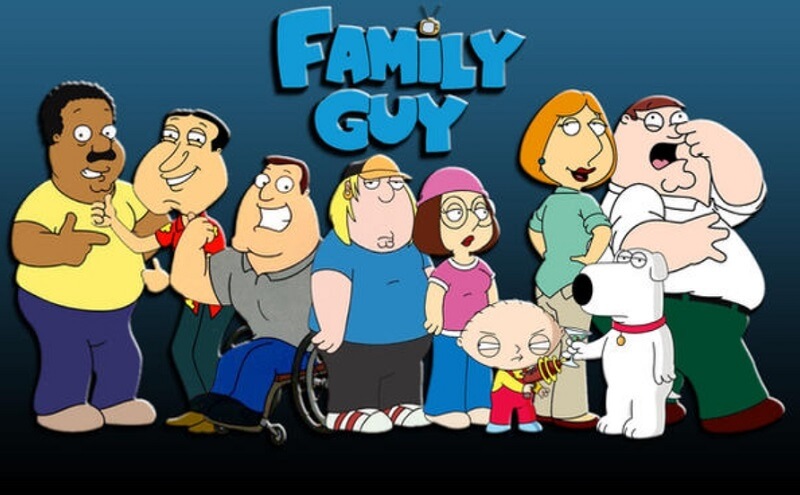
The show introduced viewers to the Griffin family of Quahog, Rhode Island:
- Peter Griffin – crude, impulsive, and politically incorrect
- Lois Griffin – voice of reason (usually ignored)
- Meg, Chris, and Stewie – dysfunctional in wildly different ways
- Brian – a talking dog with existential angst
From day one, Family Guy stood out for:
- Rapid-fire cutaway gags
- Aggressive pop-culture satire
- Dark, often controversial humor
While audiences responded positively, network executives were uneasy.
Early Success… and Early Trouble with Fox
Despite solid ratings in its first season, Family Guy faced challenges almost immediately.
Key Problems:
- Inconsistent time slots (moved repeatedly)
- Poor promotion compared to other Fox shows
- Content complaints from advertisers
- Comparison fatigue with The Simpsons
Fox struggled to market Family Guy. Was it a family cartoon? Adult satire? A shock-comedy experiment? The uncertainty hurt its long-term stability.
By Season 3 (2001–2002), ratings dipped—not because of lack of interest, but because viewers couldn’t reliably find the show.
The First Cancellation (2000): A Warning Shot
After Season 2, Fox quietly cancelled Family Guy in 2000.
At the time, it seemed over.
However, unexpected fan reaction—including letter-writing campaigns—pushed Fox to reverse the decision and order Season 3. This marked the show’s first brush with cancellation, foreshadowing what was to come.
The Second Cancellation (2002): Family Guy Is Officially Dead
After Season 3 aired in 2002, Fox canceled Family Guy for good.
- No press tour.
- No farewell episode.
- No revival planned.
Seth MacFarlane later said he believed the show was completely finished.
Why Fox Pulled the Plug:
- Declining Nielsen ratings
- Scheduling instability
- Network discomfort with controversial humor
- Strategic shift toward different animated projects
At this point, Family Guy joined the long list of canceled cult shows.
Seth MacFarlane’s Reaction to the Cancellation
MacFarlane has openly discussed how discouraging the cancellation was.
In interviews, he stated:
- He felt Fox “never gave the show a real chance”
- The show’s audience existed—but wasn’t measured correctly
- Live ratings were already becoming an outdated metric

Importantly, MacFarlane also admitted that cancellation allowed him to step away creatively, which later helped sharpen the show’s voice.
Syndication Saves Family Guy: Adult Swim Changes Everything
What Fox underestimated was syndication.
When Family Guy reruns began airing on Adult Swim, something remarkable happened:
- Ratings exploded
- New fans discovered the show for the first time
- Episodes were quoted endlessly online
Adult Swim’s late-night audience perfectly matched Family Guy’s humor.
This exposure turned a “failed” show into a cult phenomenon.
The DVD Effect: A Television Industry Earthquake
Between 2003 and 2004, Family Guy DVD box sets became:
- Some of the best-selling TV DVDs ever
- More profitable than many shows still on air
- Proof of massive untapped demand
Fox executives reportedly reconsidered their decision after seeing DVD numbers.
This moment changed how networks viewed aftermarket success.
Fan Petitions and Internet Culture
The early 2000s internet played a crucial role.
Fans organized:
- Online petitions (some exceeding 1 million signatures)
- Forums and early social platforms advocating revival
- Grassroots campaigns demanding new episodes
For one of the first times in TV history, fans directly influenced a network decision at scale.
Fox Revives Family Guy (2005)
In 2005, Fox officially announced:
- Family Guy would return for Season 4
- Seth MacFarlane would resume creative control
At the time, MacFarlane was also developing:
- American Dad!
- The Cleveland Show
The revival was a gamble—but one backed by undeniable data.
Why the Revival Worked (When Others Failed)
Many revived shows flop. Family Guy didn’t.
Reasons for Success:
- A fully formed fanbase
- Cultural relevance through syndication
- Strong writing staff continuity
- Improved network support
The show returned bigger, louder, and more confident.
Family Guy’s Post-Revival Evolution
After its return, Family Guy evolved:
- Edgier humor
- Faster pacing
- More meta commentary
The show embraced its reputation and leaned into controversy—rather than avoiding it.
Seth MacFarlane on Creative Fatigue and Longevity
MacFarlane has acknowledged that:
- Writing for the show can be exhausting
- Rotating writers are essential
- The show continues as long as creativity remains intact

Despite stepping back from daily writing duties, MacFarlane remains deeply involved.
How Family Guy Changed Television Forever
Family Guy proved:
- Fans matter more than executives think
- Syndication can resurrect “dead” shows
- DVD and streaming metrics are powerful
Its success paved the way for revivals like:
- Futurama
- Arrested Development
- Clone High
Is Family Guy Ever Ending?
As of recent seasons:
- Fox continues renewing the show
- Streaming demand remains strong
- The brand remains highly profitable
MacFarlane has stated there is no fixed ending plan.
Why This Story Still Matters Today
In a streaming-first world, Family Guy stands as:
- A case study in audience power
- Proof that cancellation isn’t always final
- A blueprint for cult survival
Few shows have died, returned, and thrived like Family Guy.
Conclusion: A Victory for Fans, Creativity, and Persistence
Family Guy’s journey from cancellation to cultural icon is not accidental—it is the result of fan loyalty, smart syndication, and creative resilience.
Seth MacFarlane didn’t just create a show—he became part of one of television’s most important survival stories.
And decades later, Family Guy is still here—because people refused to let it disappear.
FAQs
What did Seth MacFarlane say about Family Guy cancellation?
MacFarlane called it “surprising but not unexpected,” crediting fans’ DVD sales and petitions for the 2005 revival: “They hijacked the show back.”
Why was Family Guy canceled in 2002?
Low live ratings despite cult buzz; Fox shifted programming away from its edgy style after Season 3.
How did Family Guy get revived?
Massive DVD sales (2M+ units), syndication marathons, and 100K+ petition signatures convinced Fox to greenlight Season 4 in 2005.
When did Family Guy return after cancellation?
May 1, 2005, with two new episodes after a 3-year hiatus.
Is Family Guy still on after revival?
Yes, over 400 episodes as Fox’s longest-running animated series.
Did Seth MacFarlane expect the revival?
No—he was working on American Dad! and assumed it was over until fan metrics proved otherwise.