Why Your Business Needs Enterprise Software (ERP) in 2025
Many startups underestimate the power of enterprise software. Not because they lack skills — but because they lack experience. New founders often believe they can manage everything manually until operations start scaling, tasks become overwhelming, and inefficiencies turn into real business risks.
This is where Enterprise Software / ERP becomes a complete game-changer.
ERP is no longer a luxury reserved for big corporations. In 2025, it has become a requirement for growth, compliance, scale, and competitive survival, even for small businesses.
If you’re still unsure why your company needs it, let’s walk through the real, practical advantages of enterprise software — explained simply and clearly.
Major Reasons Your Business Needs an Enterprise Application
1. It’s a Cost-Cutting Powerhouse
ERP reduces operational expenses in ways most startups don’t initially recognize.
How it saves money:
- Eliminates the need for extra administrative staff
- Cuts down manual processing errors
- Reduces paperwork, printing costs & storage
- Automates repetitive tasks (invoicing, reporting, HR, payroll, procurement)
Although ERP implementation feels like a big investment, the long-term savings far outweigh the cost.
2. Supercharges Big Data Analytics
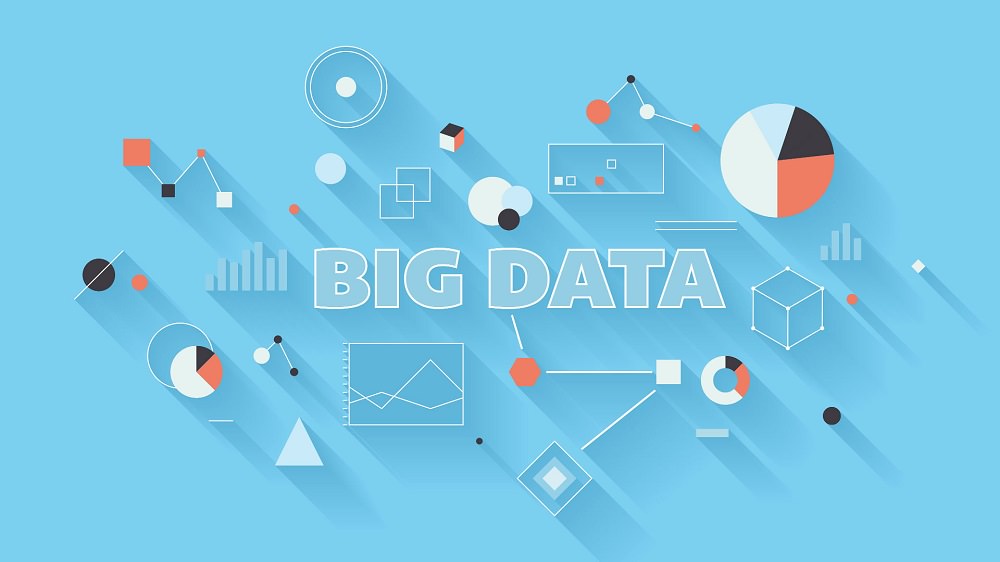
Every business is flooded with data — sales, customer behavior, finances, KPIs, employee performance, suppliers, orders.
Without ERP, this data stays scattered.
ERP provides:
- Unified dashboards
- Real-time analytics
- Automated reporting
- Accurate forecasting
- Better decision-making
And in 2025, data-driven decision-making = competitive survival.
3. Boosts Overall Productivity
ERP transforms your workplace from chaotic to coordinated.
It helps your team:
- Collaborate better
- Communicate in real-time
- Access accurate information instantly
- Avoid delays or repetitive work
A well-implemented ERP can increase team productivity by 30% to 50%.
4. Gives You a Competitive Edge
In a world where everyone is competing for speed, efficiency, and customer experience — ERP keeps you ahead.
With ERP, you get:
- Industry insights
- Competitor comparisons
- Process optimization
- Faster project execution
- Better resource management
In short: ERP helps your company move faster than competitors who still use outdated systems.
5. Offers Full Visibility & Control Over Your Business
ERP gives you “supervision power” across all departments.
You can monitor:
- Sales
- Inventory
- Finance
- HR
- Projects
- Operations
- Manufacturing
- Procurement
Everything is transparent and trackable — reducing fraud, theft, waste, and mismanagement.
6. Ensures Better Business Management
ERP eliminates scattered files, missing documents, outdated spreadsheets, and human errors.
It centralizes:
- Data storage
- Daily workflows
- Employee tracking
- Asset management
- Task automation
No more paperwork. No more confusion. Just smooth, structured business flow.
7. Provides Flexibility & Future Scalability
Your business won’t stay the same forever — and your system shouldn’t either.
ERP grows with you:
- Add new modules as business expands
- Scale users, departments, locations
- Handle increasing data loads
- Automate more operations over time
With ERP, you never “outgrow” your system.
8. Helps You Meet Customer Demands Effortlessly
Happier customers = higher sales.
ERP helps you:
- Process orders faster
- Reduce delivery delays
- Maintain accurate inventory
- Provide better support
- Improve service personalization
This results in loyal customers — and repeat sales.
FAQs
1. Is ERP suitable for small businesses or just large enterprises?
ERP is now fully scalable. Small, growing, and large enterprises all benefit from it.
2. How long does ERP implementation take?
Typically 1–6 months depending on project size and customization.
3. What industries use ERP?
Finance, manufacturing, retail, healthcare, logistics, construction, IT, education — and nearly all service-based businesses.
4. Is ERP expensive for startups?
Cloud ERP (SaaS) makes it affordable and budget-friendly with monthly subscription models.
5. What is the biggest benefit of using ERP?
Centralized data + automation = massive efficiency and cost reduction.
Conclusion
Enterprise software is not just a tool — it’s a business backbone. It reduces costs, increases productivity, strengthens decision-making, protects against fraud, and helps you scale confidently.
If you want faster growth, better control, and long-term success, ERP is no longer optional — it’s essential.