
Does it Snow in Australia?
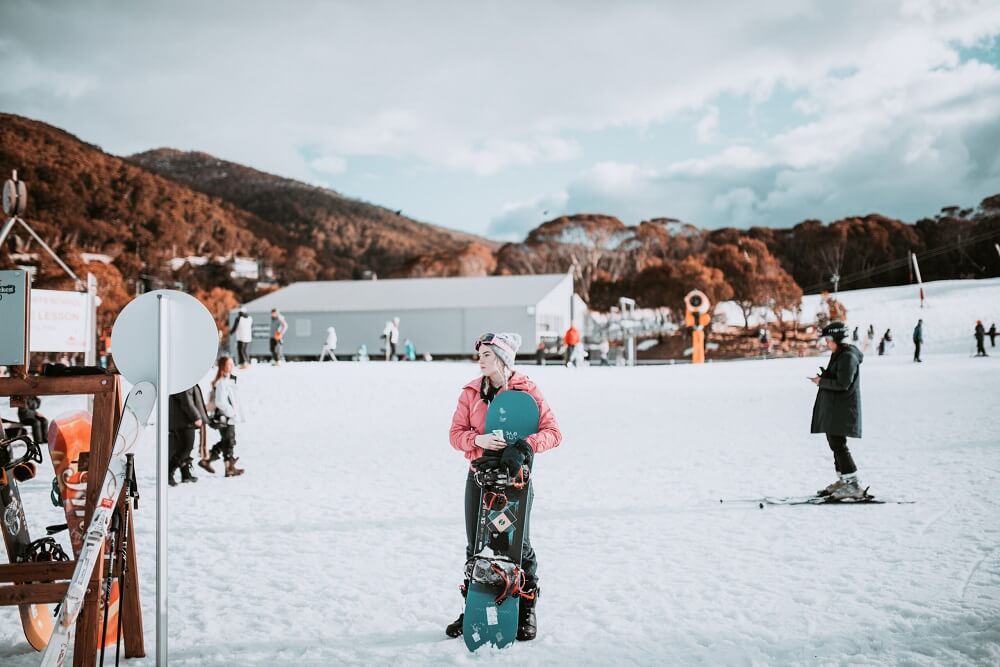
Australia is best known for its sunny beaches and warm weather, but did you know that during the winter months, some parts of the country transform into snowy landscapes? While snow might not be the first thing that comes to mind when you think of Australia, there are several regions where you can experience the magic of a winter wonderland. Whether you’re an avid skier, snowboarder, or simply someone who enjoys the beauty of snow-covered mountains, Australia has something unique to offer. In this article, we’ll take a closer look at where to find snow in Australia, the best times to visit, and what makes these snowy destinations so special.
How Does Snowfall Occur in Australia?
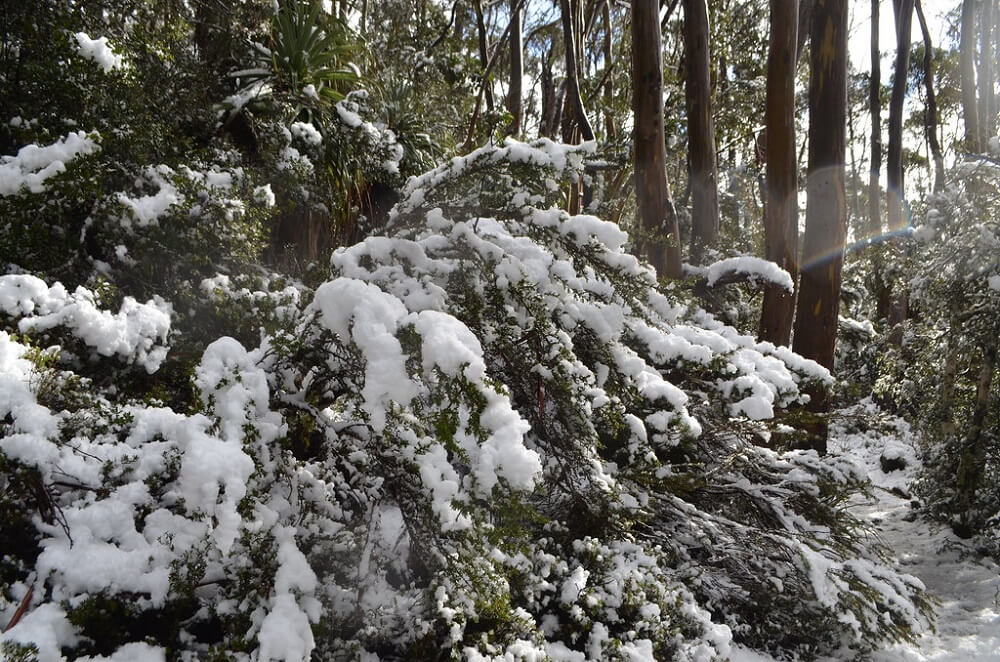
Snowfall in Australia is a bit of a hidden gem. Unlike the icy winters you might expect in places like Canada or the Alps, Australia’s snow comes in a more subtle, yet equally captivating, fashion. For snow to fall, temperatures must dip below freezing, but only in certain elevated areas where the air gets cold enough. These alpine regions in southeastern Australia—especially New South Wales, Victoria, and Tasmania—are where the magic happens.
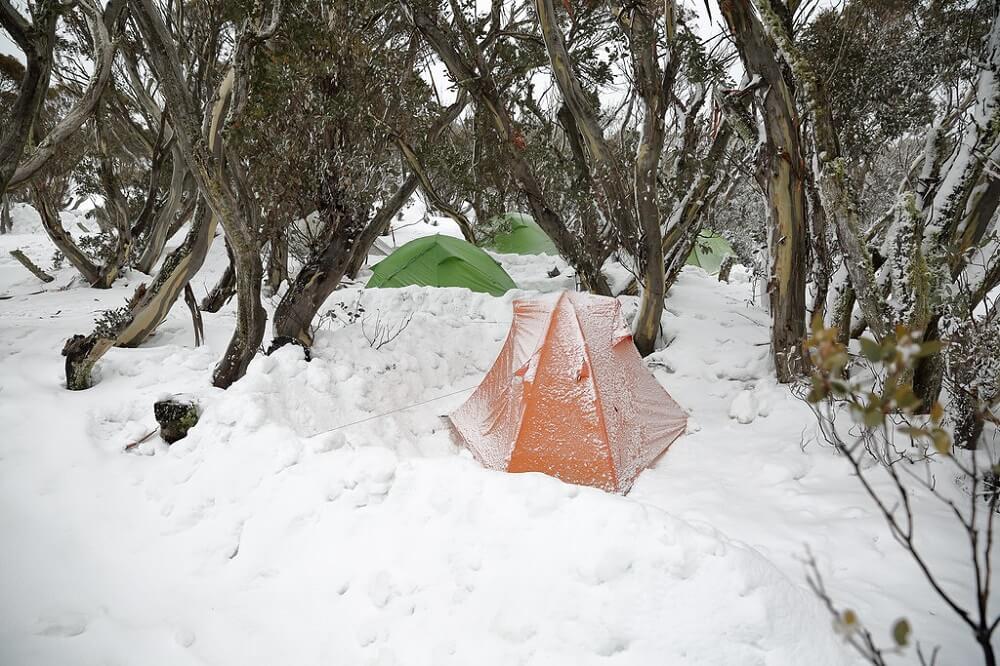
Australia’s snow is typically confined to higher altitudes, which means you’ll need to head to the mountains to experience the snow. So, while you won’t find snow on the beaches or the outback, you’ll discover winter wonderlands high in the hills.
When Does it Snow in Australia?
The Australian winter may seem short to some, but it’s enough to create beautiful snow-covered landscapes. Snow typically falls between June and August, with July being the prime month to catch the snow at its best. Skiers and snow enthusiasts flock to alpine resorts during this period to experience the best snow conditions. But if you’re hoping to visit outside peak season, don’t worry—certain areas still hold onto their snowy beauty into September.
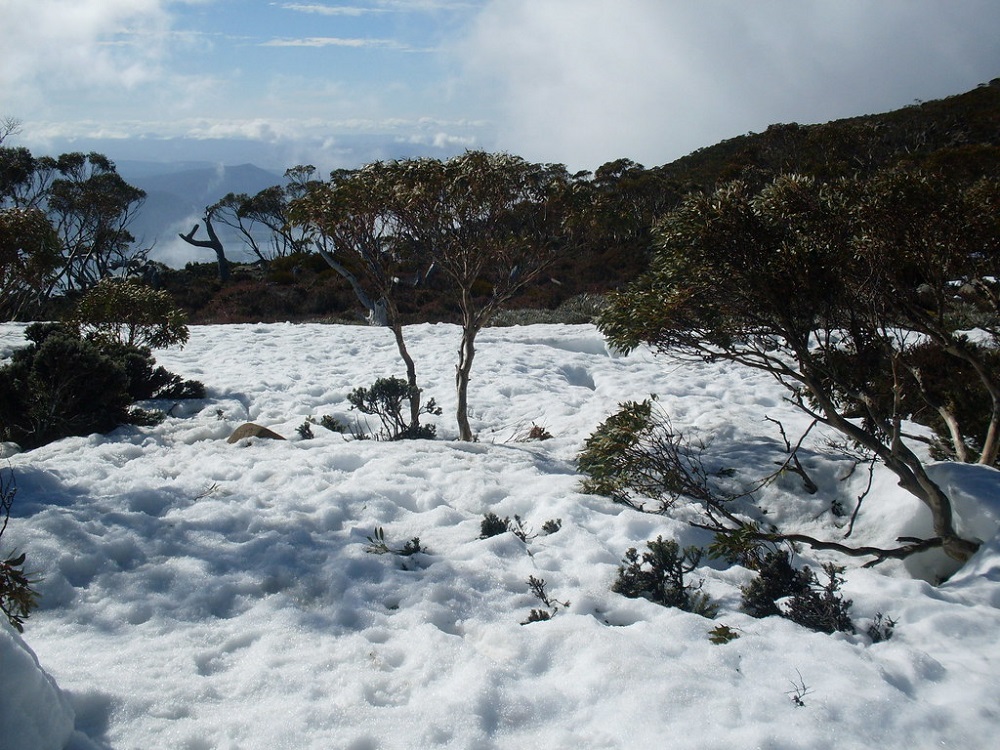
It’s also worth noting that, while the Southern Hemisphere’s winter is from June to August, snow at these elevations can sometimes arrive earlier or linger into early spring. So, you’ll have a bit of flexibility when planning your trip.
Can you See Heavy Snowfall in Australia?
Australia isn’t known for heavy, long-lasting snowfalls like those of Canada or the European Alps, but in its highest elevations, snow can still accumulate impressively. The Snowy Mountains, for instance, can receive up to several meters of snow during peak season, especially in regions like Mount Kosciuszko and Mount Hotham. In fact, some areas can accumulate enough snow to rival major ski destinations worldwide.
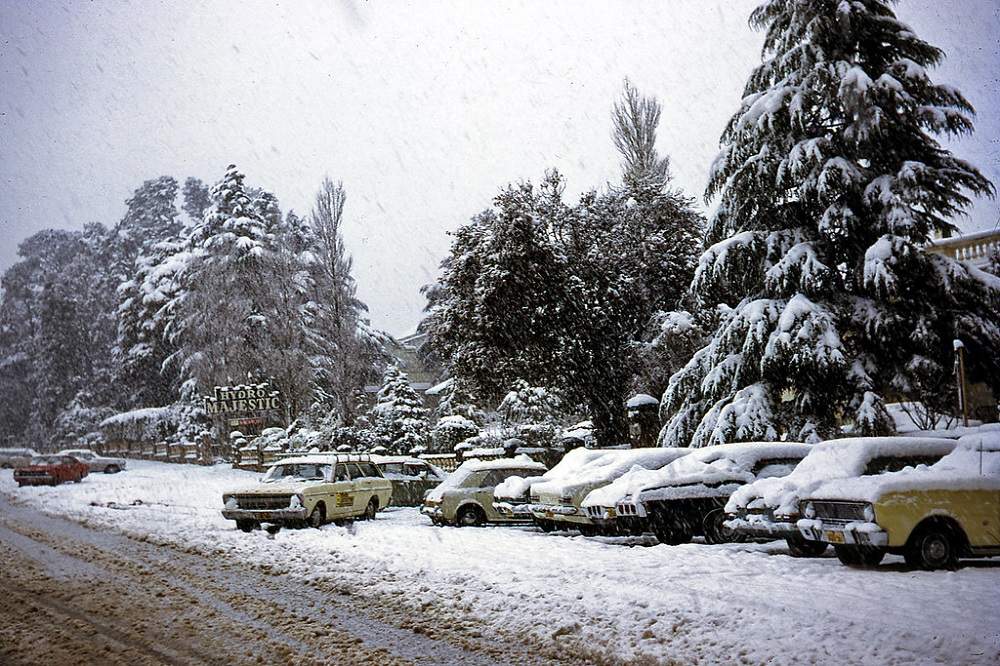
But, it’s important to keep in mind that, compared to northern countries, the snow is generally lighter and less persistent. Australia’s winter wonderlands are more about seasonal beauty than enduring snowstorms, which makes it a perfect destination for a winter escape without the extreme cold.
Where Does it Snow in Australia?
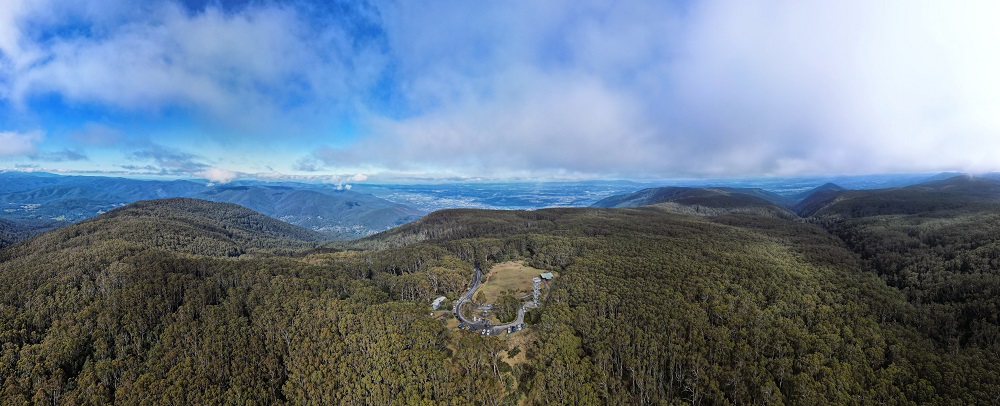
The snow-capped peaks of Australia are tucked away in several regions across the southeastern states. Here are the best places to see and enjoy snow:
New South Wales: Home to Australia’s highest peak, Mount Kosciuszko, the Snowy Mountains region is a major snow destination. Towns like Thredbo and Perisher are renowned for their ski resorts, offering some of the best snow conditions in the country.
Victoria: The Victorian Alps boast a variety of ski resorts and are the heart of Australia’s snow activities. Popular spots include Mount Buller, Falls Creek, and Mount Hotham. These locations are perfect for snow sports and enjoying the alpine atmosphere.
Tasmania: Tasmania’s Cradle Mountain and Mount Wellington offer a quieter, more relaxed snow experience compared to the hustle of mainland ski resorts. The pristine snow, paired with rugged mountain views, creates a magical atmosphere for nature lovers and adventurers alike.
Other Regions: Other spots like Mount Donna Buang and Mount Buffalo in Victoria, and Selwyn Snowfields in New South Wales, may not be as large but offer charming snow-filled experiences for those seeking something different.
Best Places to Enjoy Snow in Australia
If you’re dreaming of a snow adventure, these locations should be at the top of your list:
- Perisher: As the largest ski resort in the Southern Hemisphere, Perisher is the place for anyone serious about snow activities. With over 1,245 hectares of skiable terrain, it offers skiing, snowboarding, tobogganing, and more.
- Thredbo: Known for its long ski runs and vibrant village life, Thredbo is a must-visit for both experienced skiers and first-timers. Whether you’re hitting the slopes or relaxing in the village, it’s an unforgettable experience.
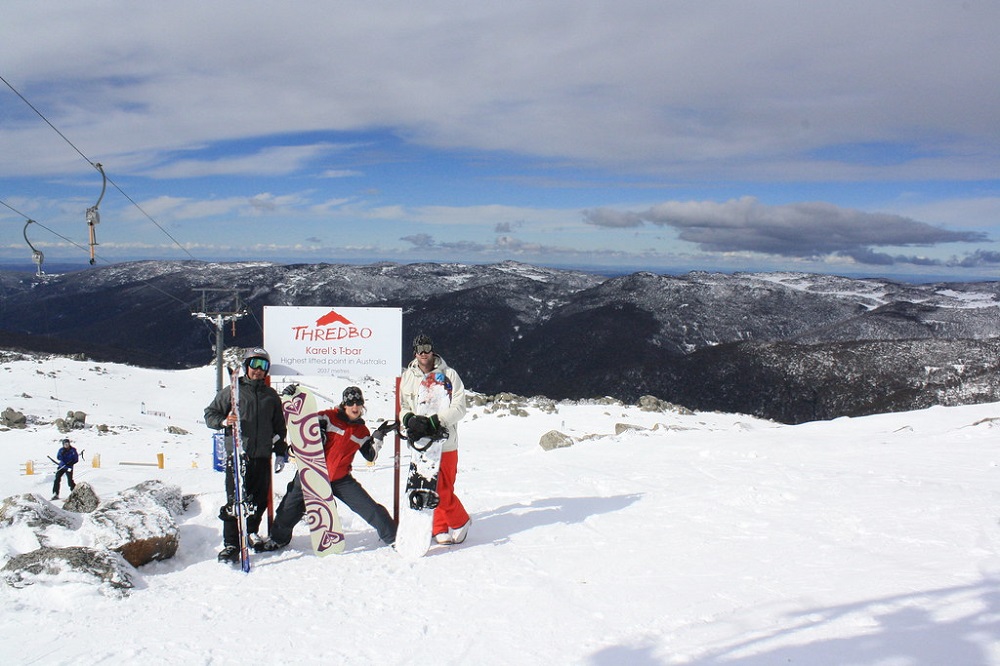
- Mount Buller: Offering a lively atmosphere and excellent snow conditions, Mount Buller is perfect for those who want an all-around winter experience. Skiing, snowboarding, après-ski—you’ll find it all here.
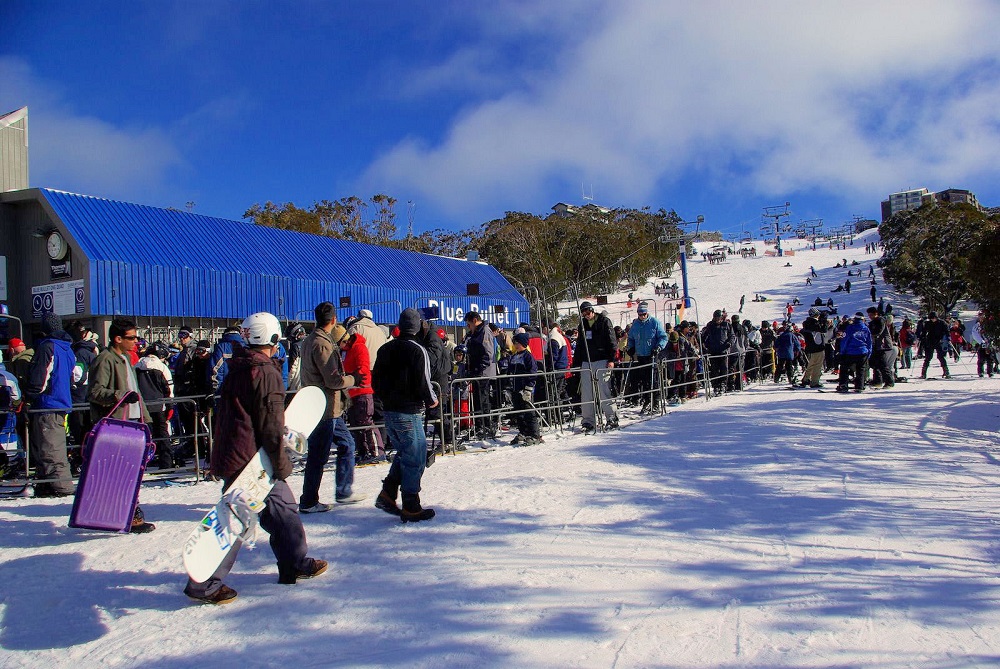
- Falls Creek: Situated in the Victorian Alps, Falls Creek is an excellent spot for both beginner and expert snow enthusiasts. The ski runs are diverse, and the snow is plentiful, making it a family-friendly option for winter sports.
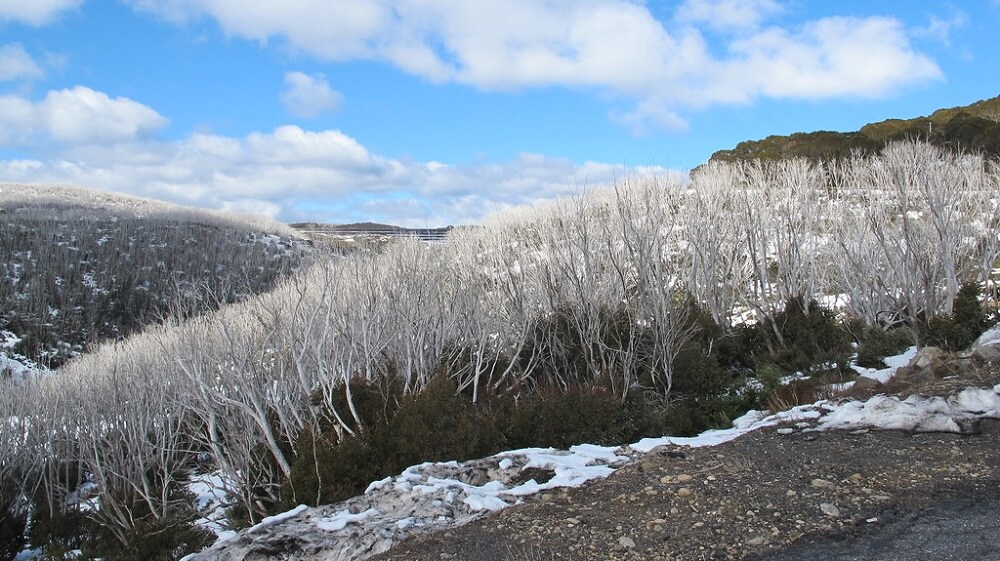
- Cradle Mountain: If you’re looking for a more peaceful, nature-filled snow experience, Cradle Mountain is a fantastic choice. Tasmania’s snow-capped peaks offer a serene environment for winter walks and enjoying the wild beauty of the area.
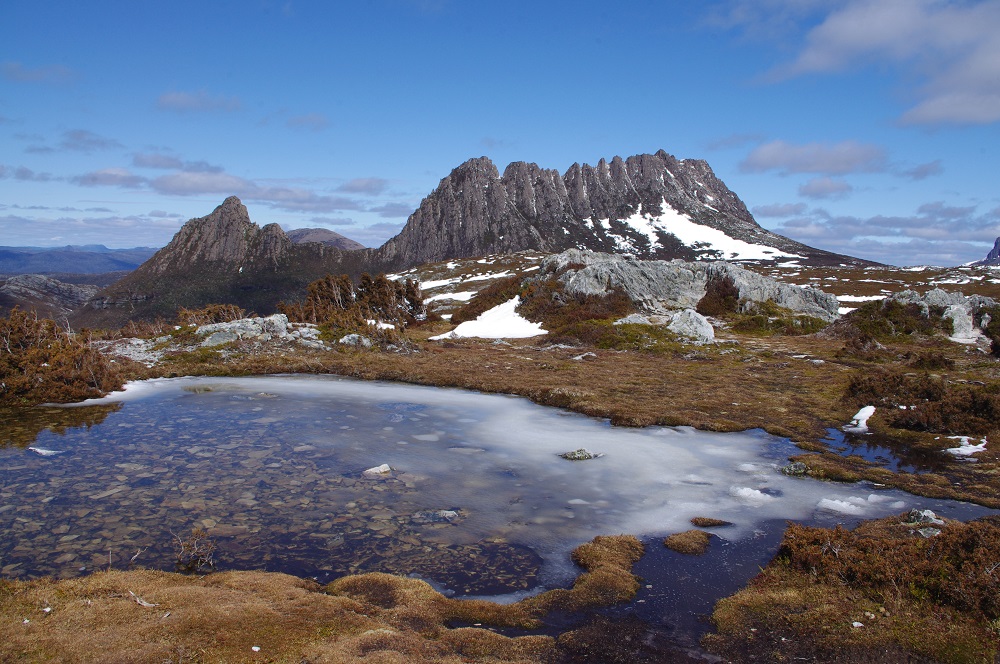
How Much does it Snow in Australia?
While Australia doesn’t see snow across the entire country, its snow regions do get substantial accumulations, especially during the peak months. In places like Perisher, Mount Buller, and Falls Creek, snow can pile up to over a meter (3 feet) during heavy snowfalls, creating the perfect conditions for snow sports.
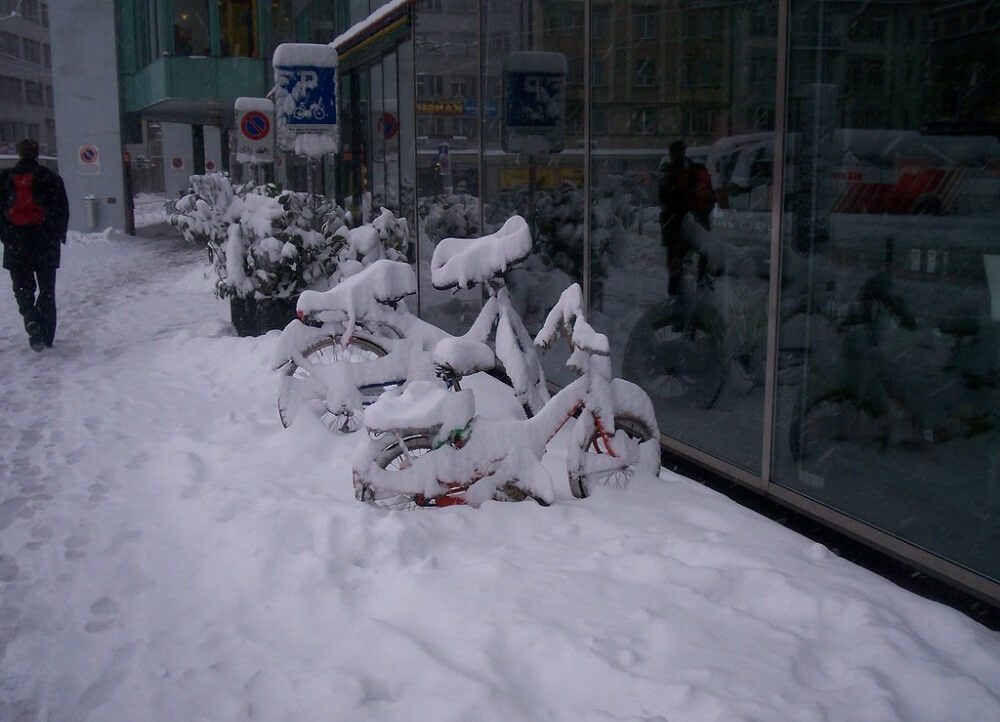
It’s not unusual to see snowfalls of several feet in these areas, particularly when cold weather systems move through during peak winter. However, in some of the more low-lying areas or less-visited spots, snow may be lighter and more intermittent, with flurries dusting the ground and melting quickly.
Is Australia Colder than Canada?
If you’ve experienced Canada’s infamous winters, you’ll know just how cold and snow-heavy they can be. In comparison, Australia’s snow regions are far milder. Canada’s winters are known for enduring cold spells and heavy, long-lasting snowfalls. In contrast, Australia’s snow seasons are shorter, and snow is typically confined to higher elevations, which means temperatures aren’t as harsh.
Australia may not have the extended winter season of Canada, but its snow regions still offer breathtaking snow experiences with a distinctly Australian twist. So, while it’s not colder than Canada, Australia’s snow destinations bring their own unique charm and accessibility.
Tips for Enjoying Snow in AustraliaUnique Aspects of Snow in Australia
One of the things that sets Australia’s snow apart is the wildlife you might encounter. You could spot kangaroos and wallabies hopping through the snow, or perhaps a wombat scurrying along. The snowy landscape offers a unique setting for experiencing Australia’s incredible biodiversity.
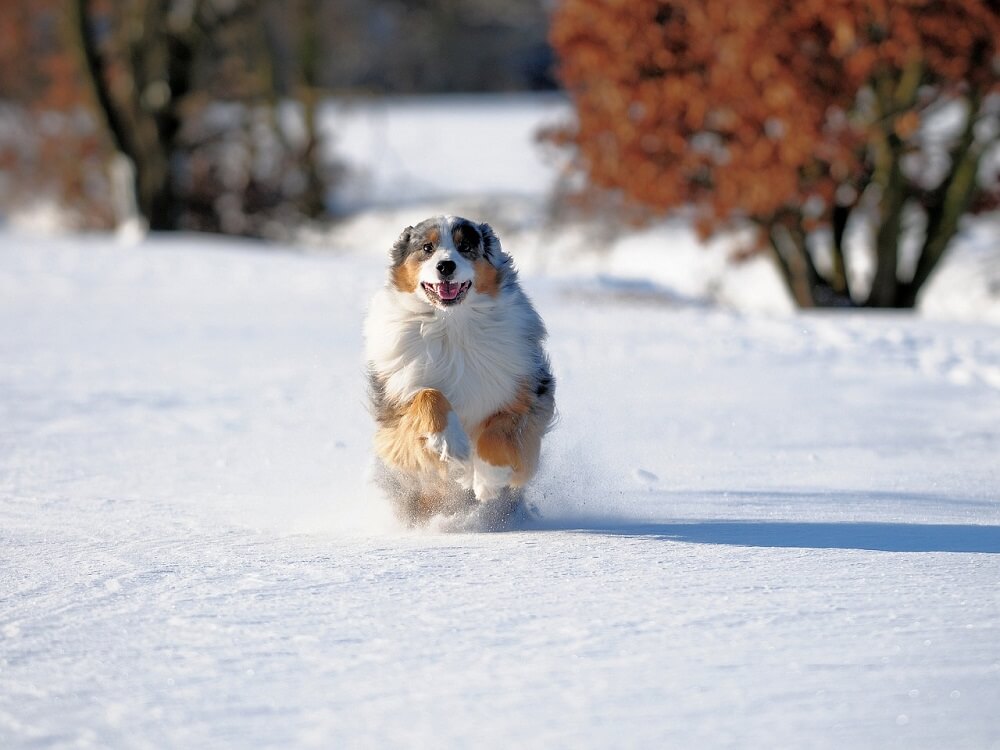
And beyond the animals, the landscapes themselves are spectacular. Australia’s alpine regions are often filled with beautiful, rugged mountains, dense forests, and clear blue skies—creating a stunning contrast to the snow below.
Wrapping Up
While Australia may be synonymous with sunshine and surf, its snow regions are nothing short of spectacular. From skiing in the Snowy Mountains to hiking through Tasmania’s winter wonderland, Australia offers a snow-filled experience that’s both unique and captivating. Whether you’re chasing snow for sports or simply want to experience the serenity of a snowy landscape, Australia has something magical waiting for you this winter.