Why is Max Mute in Max and Ruby? The Real Explanation behind the Mystery
Since its debut in 2002, the children’s animated series Max and Ruby has remained a favorite among preschool audiences and nostalgic adults alike. However, one recurring question continues to intrigue viewers:
Why is Max mute in Max and Ruby?
Max, the energetic three-year-old bunny, rarely speaks, while his older sister Ruby does most of the talking. Over the years, this creative choice has sparked curiosity, speculation, and countless fan theories—some lighthearted, others unnecessarily dark. This article separates canon facts from internet speculation and explains the most accurate, creator-backed reasons behind Max’s limited speech.
Quick Answer (Above-the-Fold Clarity)
Max is not mute.
He speaks very little because Max and Ruby is designed to reflect realistic toddler behavior and to center storytelling around sibling interaction rather than adult supervision.
This creative decision was intentional, age-appropriate, and confirmed by the show’s creators.
Background: What Is Max and Ruby About?
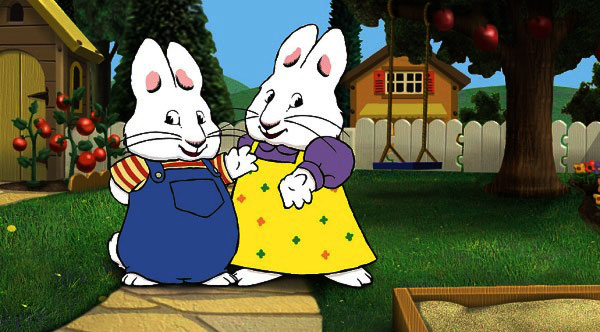
Max and Ruby is a Canadian animated series based on children’s books by Rosemary Wells. The show follows two siblings:
- Max – a playful, mischievous three-year-old bunny
- Ruby – his organized, responsible seven-year-old sister
The series focuses on everyday childhood situations such as:
- Sharing
- Problem-solving
- Independence
- Sibling conflict and cooperation
Adults are largely absent from the narrative to allow children to see kids solving problems on their own.
Is Max Actually Mute?
No—Max is not mute.
Throughout the series, Max:
- Says short words like “Ruby!”, “No!”, and “Bunny!”
- Expresses himself through actions, gestures, and imagination
- Communicates in ways typical of very young children
His limited speech aligns with normal early childhood development, where many three-year-olds:
- Speak selectively
- Prefer action over conversation
- Communicate through play rather than dialogue
The Real, Creator-Intended Reason Max Speaks Less
1. Age-Appropriate Character Design
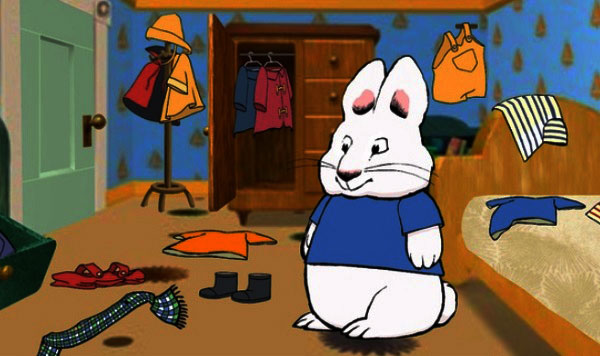
Max is written as a realistic toddler. Many children his age:
- Understand more than they can verbalize
- Choose when—and when not—to speak
- Use repetition rather than full sentences
This makes Max relatable to preschool viewers.
2. Storytelling Balance Between Max and Ruby
The show intentionally contrasts:
- Ruby’s verbal reasoning and planning
- Max’s imaginative, action-driven problem-solving
This dynamic creates natural storytelling tension without conflict or fear.
3. Focus on Sibling Independence
According to interviews and creator commentary, Max and Ruby avoids showing parents so that:
- Children feel empowered
- Kids learn independence
- Viewers focus on sibling relationships rather than authority figures
Max’s limited dialogue reinforces this child-centered perspective.
Why Are Max and Ruby’s Parents Rarely Seen?
This is another commonly asked question closely tied to Max’s speech.
The simple explanation:
- Parents are intentionally off-screen
- The show is about children navigating the world together
- Adult absence is a storytelling device, not a mystery
Later seasons did introduce their parents occasionally, disproving early speculation.
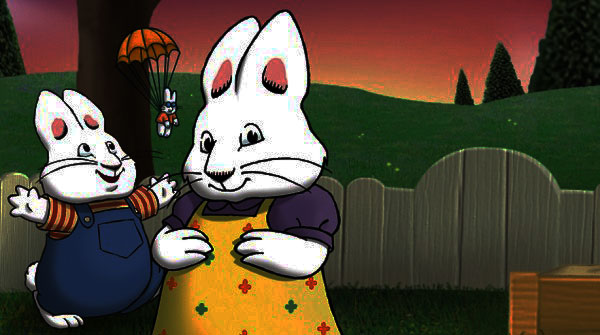
Addressing Popular Fan Theories (Fact vs Fiction)
Over time, internet culture has created dark interpretations around the show. These theories are not canon and not supported by the creators.
❌ Orphan or Accident Theory
Claims that Max suffered brain damage due to a tragic accident are pure speculation with no textual evidence.
❌ Psychological Trauma or Abuse Theories
These interpretations are entirely unfounded, inappropriate for the source material, and not supported by creators, networks, or books.
These theories reflect adult projection—not author intent.
Why Do Dark Theories Appear Around Children’s Shows?
This pattern is common across many nostalgic cartoons.
Reasons include:
- Adult viewers revisiting childhood content
- Internet culture encouraging “hidden meaning” narratives
- Absence of explicit explanations in kids’ media
However, lack of explanation does not imply darkness—especially in preschool programming.
The Most Accurate Explanation (In Plain Terms)
Max speaks less because:
- He is three years old
- The show is written from a child’s perspective
- His character represents non-verbal learning and curiosity
- The series emphasizes imagination over dialogue
Nothing more—and nothing darker—is implied.
Final Verdict
Max is not mute in Max and Ruby.
He is a developmentally accurate toddler who communicates primarily through action, imagination, and limited speech. The show’s creators intentionally designed him this way to support early childhood learning and sibling-focused storytelling.
All darker interpretations are fan-created theories, not canonical explanations.
FAQs – Why Is Max Mute in Max and Ruby?
Is Max actually mute?
No. Max speaks occasionally and communicates in age-appropriate ways.
Why does Ruby talk so much more than Max?
Ruby is seven years old and acts as the verbal problem-solver, creating balance in the show.
Why aren’t the parents shown?
To keep the focus on children’s independence and sibling interaction.
Are the dark theories true?
No. They are internet speculation with no support from creators or the show.