
Can You Get High off Sharpies? The Complete Guide to Marker Fumes, Health Risks, and Myths
Sharpie markers are among the most recognizable writing tools in the world. From classrooms and offices to art studios and construction sites, Sharpies are valued for their bold colors, permanent ink, and versatility across surfaces.
Yet despite their everyday utility, Sharpies have also become the subject of online curiosity and misinformation, leading many to ask:
Can you get high off Sharpies?
This question often appears in forums and social media threads, especially among younger audiences. While it may sound harmless or humorous, the topic involves serious health considerations that deserve clear, factual explanation.
This in-depth guide explores:
- What Sharpies are made of
- Why their fumes affect the body
- Whether a “high” is real or a dangerous misconception
- The short-term and long-term health risks
- Legal, psychological, and safety implications
- Proper and safe use of Sharpie markers
Let’s separate myth from medical reality.
Understanding Sharpie Markers: What’s Inside the Ink?
To understand why Sharpie fumes can cause physical reactions, it’s important to first look at how Sharpie ink works.
Sharpie markers typically contain:
- Solvents – help ink stay liquid and dry quickly
- Dyes and pigments – provide color intensity
- Resins – help ink bond to surfaces
Many permanent markers rely on volatile organic compounds (VOCs) to achieve fast drying and strong adhesion.
What Are VOCs?
VOCs are chemicals that easily evaporate into the air at room temperature. When inhaled in high concentrations, they can affect:
- The nervous system
- The respiratory system
- Oxygen levels in the bloodstream
Sharpies are safe when used as intended, but problems arise when these vapors are intentionally inhaled or used in poorly ventilated environments.
Why Do Sharpie Fumes Affect the Body?
When Sharpie fumes are inhaled in excess, VOCs enter the lungs and pass into the bloodstream. From there, they can temporarily interfere with normal oxygen delivery to the brain.
This can lead to:
- Lightheadedness
- Dizziness
- Confusion
- Nausea
These effects are not recreational. They are the body’s response to chemical exposure and oxygen disruption.
What Happens If You Sniff Sharpies?
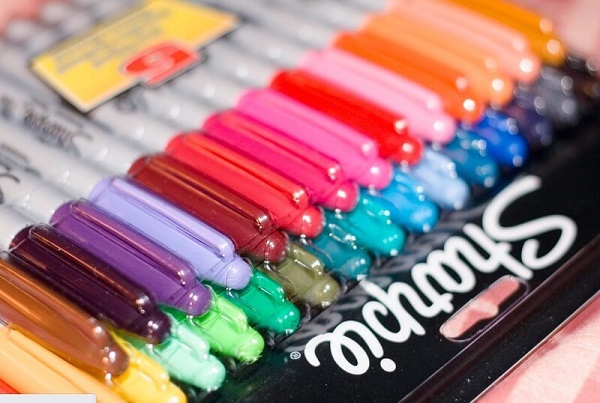
Sniffing Sharpies — meaning intentional inhalation of marker fumes — is considered inhalant misuse.
Immediate Short-Term Effects
- Headache
- Dizziness or vertigo
- Eye, nose, and throat irritation
- Nausea
- Temporary confusion
These symptoms may appear within minutes, especially in enclosed spaces.
Why People Misinterpret These Effects
Some individuals mistake dizziness or disorientation for a “buzz” or “high.” In reality, this sensation is caused by:
- Hypoxia (low oxygen levels)
- Chemical irritation of the central nervous system
This is not pleasure — it is early-stage poisoning.
Can You Actually Get High off Sharpies?
The Clear Answer: No
You cannot get a safe, controlled, or meaningful “high” from Sharpies.
Any sensation that feels euphoric is:
- Short-lived
- Dangerous
- Caused by oxygen deprivation
- Accompanied by cellular stress
Unlike drugs that alter neurotransmitters, Sharpie fumes disrupt normal brain function in a harmful way.
The Illusion of Euphoria
The brain reacts to oxygen deprivation by releasing stress chemicals, which may briefly feel unusual or calming. However, this is a survival response, not intoxication.
The Real Danger: Hypoxia and Brain Stress
Hypoxia occurs when the brain does not receive enough oxygen. Even brief episodes can be harmful.
Risks of Repeated Hypoxia:
- Brain cell damage
- Memory impairment
- Reduced concentration
- Long-term cognitive decline
In extreme cases:
- Loss of consciousness
- Coma
- Fatal outcomes
This is why inhalant misuse is considered one of the most dangerous forms of substance abuse.

Long-Term Health Risks of Sharpie Inhalation
Repeated exposure to marker fumes can cause cumulative damage.
Neurological Risks
- Poor coordination
- Slowed reaction time
- Difficulty concentrating
- Mood changes
Organ Damage
- Liver stress from chemical processing
- Kidney damage
- Respiratory irritation and inflammation
Psychological Risks
- Habit-forming behavior
- Increased risk of substance misuse
- Escalation to more dangerous inhalants
Even though Sharpies are legal products, misuse places them in the same risk category as other inhalants.
Are Sharpies Addictive?
Sharpies themselves are not addictive substances, but behavioral dependency can develop.
Why This Happens:
- Quick onset of dizziness
- Accessibility
- Misunderstanding of risks
- Curiosity, especially among teens
Over time, repeated misuse can reinforce harmful patterns similar to other inhalant behaviors.
Legal and Social Consequences
In many regions:
- Intentional inhalant misuse is illegal
- Schools treat it as substance abuse
- Parents and guardians may face intervention requirements
Consequences can include:
- Disciplinary action
- Counseling mandates
- Fines or community service
Legal systems treat inhalant misuse seriously because of its high fatality risk.
Can You Get Hallucinations from Sharpies?
No.
Sharpie fumes do not cause hallucinations.
Any visual distortion or confusion is due to:
- Reduced oxygen to the brain
- Temporary cognitive impairment
Hallucinations require changes in brain chemistry that Sharpies do not safely or reliably produce.
Can You Use Sharpies Safely?
Yes — when used correctly.
Safe Usage Guidelines:
- Use in well-ventilated areas
- Avoid prolonged exposure
- Never intentionally inhale fumes
- Cap markers when not in use
- Keep out of reach of children
Sharpies are designed for writing and marking, not inhalation.
Can You Use Sharpies on Stone?
Yes, Sharpies can be used on stone surfaces, but results depend on conditions.
Best Results:
- Smooth stones work best
- Ink may fade outdoors
- Sealing improves durability
Common uses include:
- Craft stones
- Temporary labels
- Decorative writing
They are not intended for permanent outdoor engraving.
Why Do These Myths Persist?
Several factors keep this myth alive:
- Internet curiosity culture
- Misinformation on forums
- Lack of chemical education
- Confusion between drugs and inhalants
Search trends show that many people asking this question are actually looking for health clarification, not instructions.
Why Education Matters
Understanding the difference between:
- Intended product use
- Chemical misuse
- Physiological danger
…can prevent serious injury and save lives.
Public awareness reduces curiosity-driven experimentation, especially among young users.
Conclusion: Can You Get High off Sharpies?
No — and trying is dangerous.
Sharpies do not provide a safe or real high. Any sensation caused by inhaling marker fumes is the result of oxygen deprivation and chemical stress, not pleasure or recreation.
Sharpie markers remain safe, useful tools when used properly. Problems arise only when misinformation leads to misuse.
The takeaway is simple:
- Use Sharpies responsibly
- Ensure proper ventilation
- Never inhale fumes intentionally
Knowledge, not curiosity, is the best protection.
Frequently Asked Questions
Can Sharpie fumes damage your brain?
Yes, repeated exposure can cause neurological damage.
Is it illegal to sniff Sharpies?
In many regions, yes — it’s classified as inhalant abuse.
Can Sharpies make you hallucinate?
No. Any confusion is due to hypoxia.
Are Sharpies toxic?
Safe when used properly; dangerous when misused.
Are Sharpies safe for daily use?
Yes, with ventilation and normal handling.