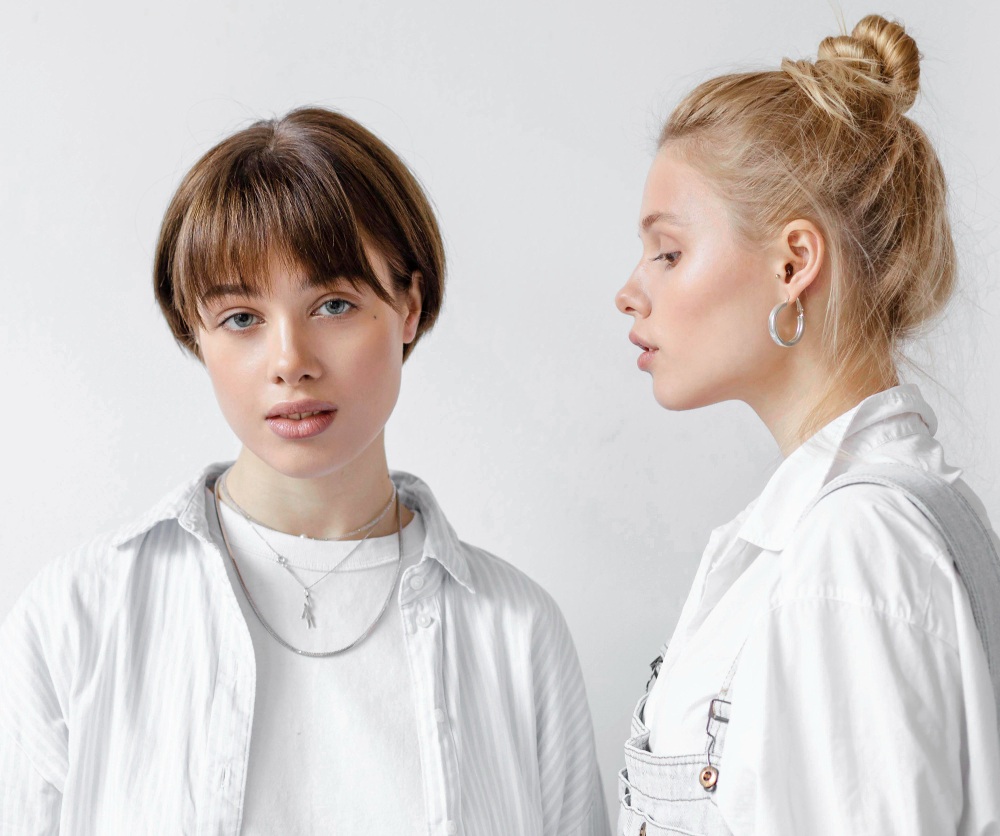
Choosing between classic and modern short haircuts can feel overwhelming, especially with so many stylish options available today. This guide breaks down the key differences, benefits, and styling considerations of both classic and modern short haircuts for women, helping you confidently decide which look aligns best with your personality, lifestyle, and face shape.
What Defines a Short Haircut for Women?
Short haircuts for women generally fall above the shoulders and are designed to enhance facial features while offering ease of maintenance. However, the defining factor lies in how the haircut is styled, shaped, and maintained this is where the distinction between classic and modern short haircuts becomes clear.
What Are Classic Short Haircuts for Women?
Classic short haircuts are timeless styles that have remained popular for decades due to their elegance and versatility.
Key Characteristics of Classic Short Haircuts
- Clean lines and structured shapes
- Minimal layering
- Easy to style and maintain
- Suitable for professional and formal settings
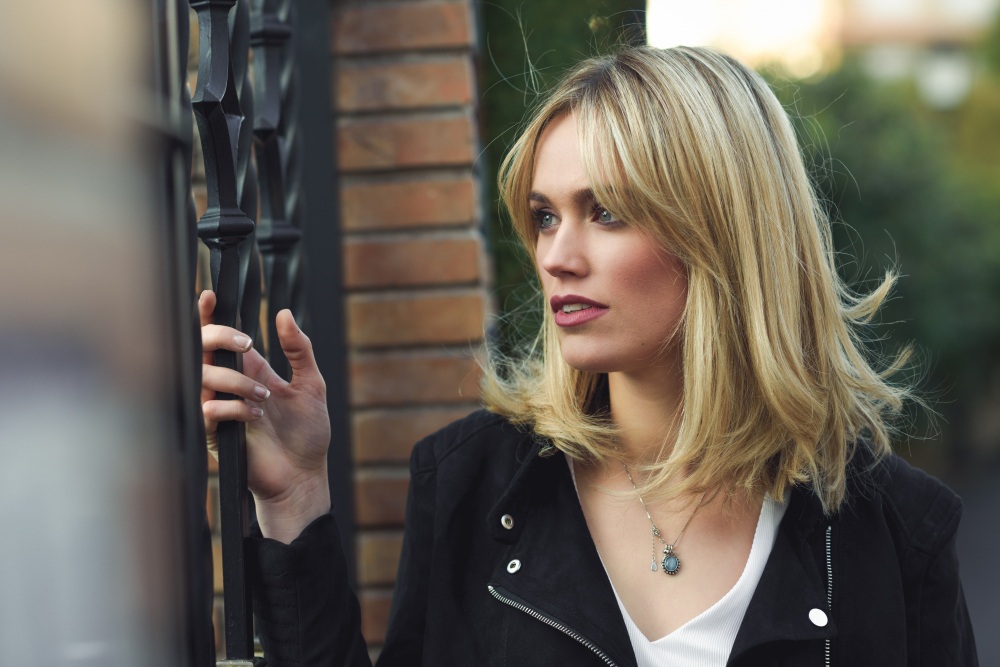
Popular Classic Short Haircuts
- The Bob: A chin-length cut that never goes out of style
- The Pixie Cut: Short, sleek, and sophisticated
- The Blunt Cut: Straight edges for a polished appearance
Classic short haircuts are ideal for women who prefer refined, low-risk styles that stand the test of time.
What Are Modern Short Haircuts for Women?
Modern short haircuts focus on creativity, individuality, and trend-forward aesthetics. These styles often evolve with fashion and pop culture.
Key Characteristics of Modern Short Haircuts
- Textured layers and movement
- Asymmetry and bold shapes
- Experimentation with color and undercuts
- Edgy and expressive appeal

Popular Modern Short Haircuts
- Textured Pixie: Soft layers with volume
- Shaggy Bob: Messy, effortless charm
- Asymmetrical Cuts: Uneven lengths for a bold look
Modern short haircuts are perfect for women who enjoy experimenting with trends and expressing their personality through hair.
How Do Classic and Modern Short Haircuts Differ?
| Aspect | Classic Short Haircuts | Modern Short Haircuts |
|---|---|---|
| Style | Timeless and elegant | Trendy and expressive |
| Maintenance | Low to moderate | Moderate to high |
| Flexibility | Conservative | Highly customizable |
| Risk Level | Low | Medium to high |
Which Short Haircut Is Better for Your Face Shape?
Face shape plays a crucial role when choosing between classic and modern short haircuts.
- Round Face: Modern layered pixies or asymmetrical bobs add definition
- Oval Face: Both classic and modern styles work well
- Square Face: Soft classic bobs or textured modern cuts balance angles
- Heart Face: Chin-length bobs and modern shags complement proportions
Are Classic or Modern Short Haircuts Easier to Maintain?
Classic short haircuts typically require less styling effort and fewer salon visits. Modern short haircuts, while visually striking, may need more frequent trims and styling products to maintain texture and shape.
If convenience is your priority, classic styles are often the better choice.
Which Short Haircut Is Best for Professional Settings?

Classic short haircuts are generally more accepted in corporate and formal environments due to their polished appearance. However, many modern short haircuts can also be adapted for professional settings with subtle styling and neutral hair colors.
Can You Combine Classic and Modern Short Haircuts?
Absolutely. Many women opt for hybrid styles that blend the structure of classic cuts with modern textures. For example:
- A classic bob with modern layers
- A pixie cut with subtle asymmetry
This approach offers the best of both worlds.
FAQs:
What is the safest short haircut for first-timers?
A classic bob is the safest and most versatile option.
Are modern short haircuts suitable for all ages?
Yes, modern short haircuts can be tailored to suit any age.
Do short haircuts make women look older?
Not necessarily—well-chosen short haircuts often create a youthful appearance.
Which style works best for thin hair?
Modern layered cuts add volume, while classic blunt bobs create density.
How often should short hair be trimmed?
Every 4–6 weeks for modern cuts; 6–8 weeks for classic cuts.
Are short haircuts high maintenance?
Classic styles are low maintenance; modern styles require more styling.
Can short haircuts suit curly hair?
Yes, both classic and modern short haircuts can be adapted for curls.
Is a pixie cut classic or modern?
It can be both, depending on styling and texture.
Do modern short haircuts require styling products?
Often yes, especially for texture and definition.
How do I choose between classic and modern styles?
Consider your lifestyle, workplace, and comfort with experimentation.
Final Thoughts
Classic vs. Modern Short Haircuts for Women Both classic and modern short haircuts for women offer unique advantages. Classic styles provide timeless elegance and ease, while modern short haircuts allow for creativity and bold self-expression. By understanding your preferences, face shape, and lifestyle needs, you can confidently choose a short haircut that enhances your look and fits seamlessly into your daily routine.