
What’s Considered a High Risk Merchant?
Have you ever thought about accepting online payments for your business? You may have considered it seriously but stopped short when you heard the words “high-risk merchant” or “high-risk payments.”
What does it mean to be a high risk merchant? Many people are unsure of the implications. Don’t worry; we will explore exactly what it means, the risks, and how to protect yourself.
What Is a High-Risk Merchant?
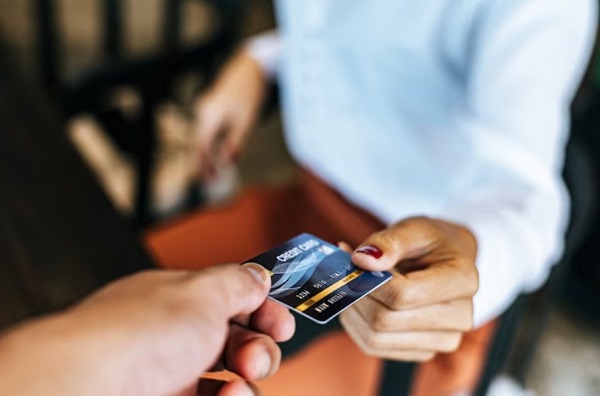
It is normal for businesses or individuals to process payment cards. But for some, they can be classified by payment processing companies as “high risk.” This means they are at greater risk of being subject to chargebacks, fraud, and other similar issues.
High-risk merchants are merchants that fall into the following industries:
- E-commerce
- Adult industries
- Online gaming
- Overseas companies
- Vitamin sales
- Firearms
- Travel and timeshare
- Expensive electronics
- Jewelry
These merchants are of “high risk.” How so? Because they are more likely to be targeted by fraudulent activities or reliable for chargeback. High-risk merchants must pay higher fees to prevent being declined. Additionally, they must be approved by the banks and payment processors that work with them.
What Makes You a High-Risk Merchant?
How do payment processors decide whether or not you are a high-risk? Well, there are a few reasons, and we discuss them below.
You Are New
As a new business, you will likely be deemed a high-risk merchant. This means the credit card processing or merchant services provider classifies you as exposing a greater risk. You are being compared to other, more established businesses.
These providers typically need to see a longer track record of successful transactions. This way, they can avoid significant financial losses in the event of prematurely terminated business accounts.
Your Transaction Volume Is High
One way to be considered a high risk account is if your business transactions amount to a large volume of money. This means that more money is going in and out of your business.
High-risk merchants are perceived as having a higher risk of defaulting on payments due to a combination of factors. This includes the potential for a higher amount of chargebacks as compared to low-risk merchants. For example, if there is a security incident where cardholder information is breached.
High-risk merchants also typically have limited access to traditional funding. They must rely heavily on third-party vendors. Therefore, it is essential to select the right merchant account provider.
Choose one whole that can manage and mitigate the risk associated with high-volume transactions. In addition, select a service that offers practical features like dual pricing. For more info, learn more about dual pricing here.
You Accept International Payments

Is your business accepting international payments? Then, you pose a higher risk of fraudulent activities and currency exchange. The high risk comes with foreign customers. They may have different payment methods that aren’t widely used in the US. Also, some companies may not have a verifiable address or background information.
Additionally, attracting customers and conducting business globally brings the legal and tax liabilities associated with international payments. It also increases the risk of chargebacks, refunds, and lack of regulatory compliance with international laws.
Understanding What Makes a High Risk Merchant
Being a high risk merchant comes with an inherent risk, but there are ways to minimize that risk. As an owner, it’s essential to understand the regulations within the industry and have the appropriate safeguards to protect against fraudulent activity. Talk with an expert to learn more and get the assistance you need.