
How to Take Care of Betta Fish in a Bowl (Complete Beginner-to-Advanced Guide)
Betta fish (Betta splendens) are among the most visually striking and personality-rich freshwater fish kept as pets. Native to the shallow, slow-moving waters of Southeast Asia—such as rice paddies, floodplains, and canals—bettas are often misunderstood as “low-maintenance” fish that can thrive in tiny bowls without equipment.
While bettas are hardy, surviving poor conditions does not mean they are thriving. This guide clears up common misconceptions and explains how to properly care for a betta fish in a bowl, using modern, humane, and science-backed practices that prioritize health, longevity, and behavior.
Understanding Betta Fish: Natural Traits & Behavior
Betta fish are labyrinth fish, meaning they possess a labyrinth organ that allows them to breathe atmospheric oxygen. This adaptation helps them survive in oxygen-poor environments—but it does not make them immune to poor water quality, temperature swings, or stress.
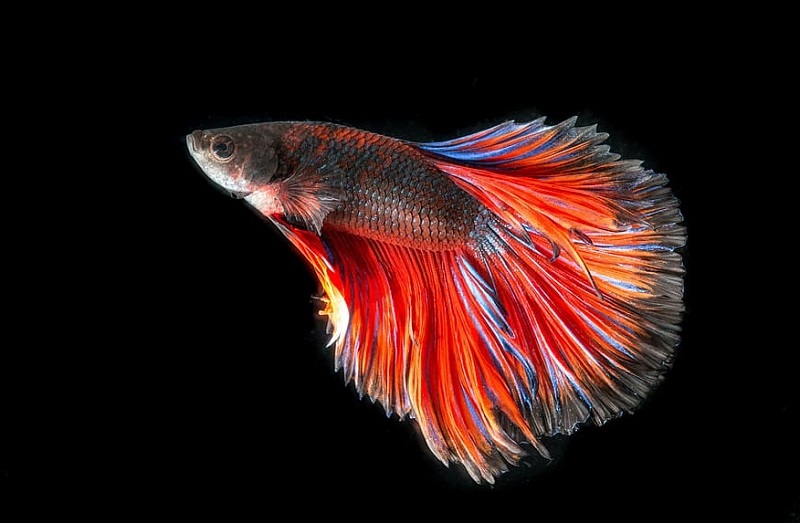
Types of Betta Fish Betta fish come in various types, distinguished by their fin shapes and colors:
- Veil Tail: Long, flowing fins that hang down — the most common type
- Crown Tail: Spiky, comb-like fins with a dramatic appearance
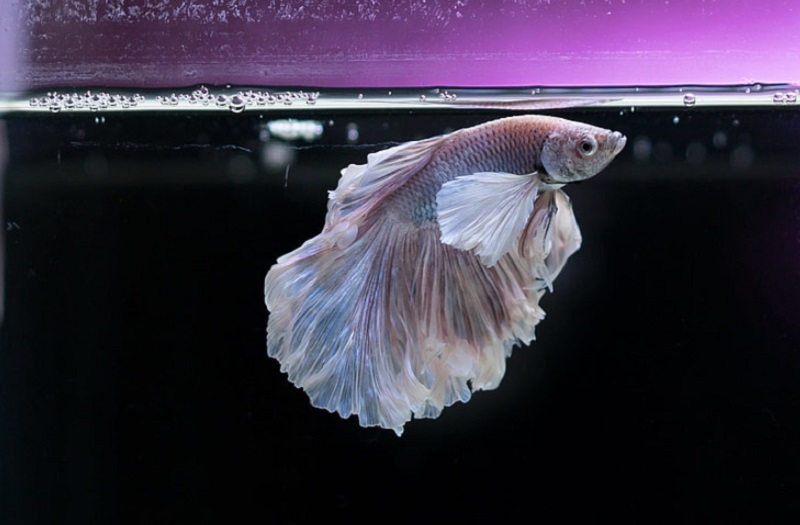
- Halfmoon: Tail fans out into a full 180-degree semicircle
- Double Tail: Two distinct tails instead of one
- Plakat: Short fins resembling the wild betta
- Delta Tail: Tail fans out to nearly 120 degrees
- Butterfly: Fins marked by distinct bands of contrasting color
Knowing your betta’s type helps you identify healthy fin condition and spot early signs of fin rot or damage.
Key Betta Characteristics
- Highly territorial (especially males)
- Intelligent and interactive
- Sensitive to ammonia, nitrite, and temperature fluctuations
- Thrive in warm, stable, clean water
When cared for properly, bettas can live 3–5 years, and sometimes longer.
Can Betta Fish Live in a Bowl?
Yes — a betta fish can live in a bowl, but only under specific conditions.
🔴 Tiny decorative bowls (1 gallon or less) are not recommended and are associated with shortened lifespan, illness, and chronic stress.
Minimum Bowl Requirements (Best Practices):
- Ideal size: 5 gallons or more
- Absolute minimum (temporary): 2.5 gallons
- Larger volumes = more stable water chemistry and healthier fish
How Long Do Betta Fish Live in a Bowl?
A betta’s lifespan in a bowl depends entirely on care quality.
| Bowl Conditions | Average Lifespan |
| Poor care, no heater, no water changes | < 1 year |
| Moderate care, frequent changes | 2–3 years |
| Proper care, heated & maintained | 3–5+ years |
👉 Bowl size alone does not determine lifespan—maintenance and stability do.
Essential Betta Fish Bowl Care Guidelines
✅ 1. Bowl Size Matters
Choose the largest bowl possible, ideally 5 gallons. Larger water volume:
- Dilutes toxins
- Stabilizes temperature
- Reduces stress
✅ 2. Water Quality & Changes
Without a filter, toxins build up fast.
- Change 20–30% of water weekly
- Use dechlorinated water
- Match temperature before adding new water
- Use a gravel vacuum or turkey baster to remove waste
⚠ Never replace all water at once unless medically necessary.
✅ 3. Heating (Non-Negotiable)
Bettas are tropical fish:
- Ideal temperature: 78–80°F (25–27°C)
- Acceptable range: 75–82°F
- Use a small adjustable heater
- Avoid temperature swings
Cold water weakens immunity and causes lethargy.
✅ 4. Filtration (Optional but Strongly Recommended)
Bettas can survive without a filter, but:
✔ Filters
- Reduce ammonia buildup
- Stabilize water chemistry
- Lower maintenance workload
Choose
- Low-flow sponge filters
- Adjustable nano filters
✅ 5. Decorations & Enrichment
Substrate Options
- Smooth gravel: Rinse thoroughly before use to remove dust
- Sand: Provides a natural look but can be harder to clean
- Bare bottom: Easiest to clean but less visually appealing
Add a 1–2 inch layer of whichever substrate you choose.
Decorations
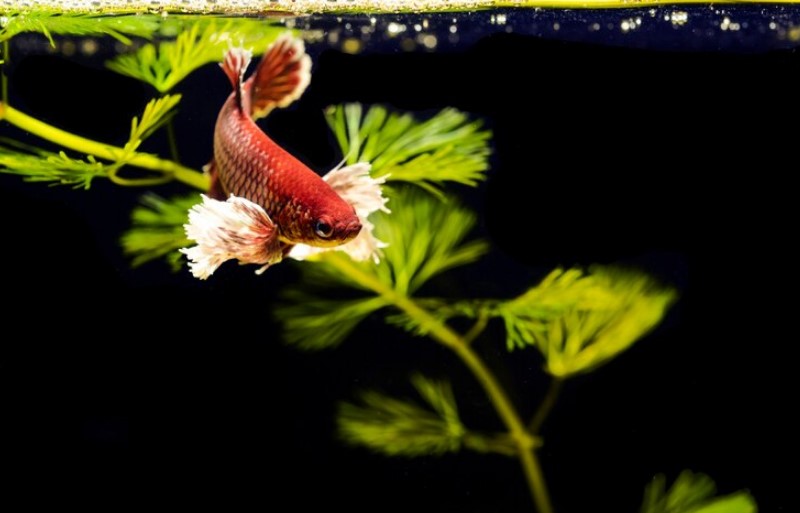
- Use live plants (Java fern, Anubias, Marimo moss balls) — they oxygenate water and absorb waste
- Use silk plants if going artificial — avoid plastic with sharp edges
- Add ceramic caves or hiding spots for security
- Leave open swimming space
- Inspect all items for rough surfaces or sharp edges before placing in the bowl
✅ 6. Feeding the Right Way
Overfeeding is a leading cause of illness:
- Feed betta-specific pellets
- 2–4 pellets once or twice daily
Supplement with:
- Frozen bloodworms
- Brine shrimp (1–2x/week)
Remove uneaten food after 2–3 minutes.
✅ 7. Avoid Tank Mates
In bowls:
- One betta only
- No snails, shrimp, or fish
- Males must always be alone
How to Tell If Your Betta Fish Is Happy
Signs of a Healthy, Happy Betta
- Bright, rich coloration
- Active swimming
- Curious behavior
- Responsive during feeding
- Bubble nest building (positive sign)
Signs of Stress or Illness
- Faded or dull colors
- Lethargy or loss of appetite
- Clamped fins
- Hiding constantly
- Gasping at the surface excessively
Common Health Conditions to Watch For
- Fin rot: Frayed or disintegrating fins — caused by poor water quality
- Ich: White spots on body and fins — requires immediate treatment
- Swim bladder disorder: Difficulty swimming or maintaining buoyancy — often linked to overfeeding
- Velvet: Gold or rust-colored dusting on the body — highly contagious
If you notice any of these symptoms, research the specific condition and consult a fish veterinarian where possible.
Can a Betta Live in a Bowl Without a Filter?
Yes — but only with strict maintenance.
If no filter:
- Increase water changes (20–30% weekly)
- Avoid overfeeding
- Monitor ammonia closely
- Use larger bowls only
A filter significantly improves quality of life and reduces error margin.
Common Betta Bowl Mistakes to Avoid
- ❌ Tiny 1-gallon bowls
- ❌ No heater
- ❌ Full water changes
- ❌ Overfeeding
- ❌ Sharp decorations
- ❌ Treating bettas as “decor” fish
Final Verdict: Bowl vs Tank
While bettas can live in bowls, they thrive best in heated, filtered tanks. If a bowl is your only option, size, temperature stability, and water maintenance become critical.
A properly cared-for betta is:
- More active
- More colorful
- Longer-lived
- More interactive
Conclusion
Caring for a betta fish in a bowl requires knowledge, consistency, and respect for the species’ needs. With the right setup—adequate space, warm water, clean conditions, and proper nutrition—a betta can live a healthy, enriched life even outside a traditional tank.
Survival is not the goal.
Thriving is.
FAQs
Can betta fish live in a bowl?
Yes, betta fish can live in a bowl, but only if the bowl is large enough (at least 2.5–5 gallons) and properly maintained with warm, clean water and regular changes.
What is the minimum bowl size for a betta fish?
The absolute minimum bowl size is 2.5 gallons, but 5 gallons or more is strongly recommended for better health and longer lifespan.
Do betta fish need a heater in a bowl?
Yes. Betta fish are tropical and require water temperatures between 75–82°F (24–28°C). A small heater is essential, even in a bowl.
Can a betta fish live in a bowl without a filter?
A betta can survive without a filter, but it requires frequent partial water changes (20–30% weekly). A gentle filter is highly recommended for stability.
How often should I change water in a betta fish bowl?
Change 20–30% of the water once per week. Never replace all the water at once, as this can shock the fish.
How long do betta fish live in a bowl?
With poor care, bettas may live less than a year. With proper bowl size, heating, clean water, and good nutrition, they can live 3–5 years or longer.
How do I know if my betta fish is happy?
A happy betta shows bright colors, active swimming, curiosity, appetite, and may build bubble nests. Dull colors and lethargy signal stress.
What should I feed a betta fish in a bowl?
Feed high-quality betta pellets once or twice daily. Supplement occasionally with bloodworms or brine shrimp. Avoid overfeeding.
Can I keep more than one betta in a bowl?
No. Bettas are territorial. Keep only one betta per bowl, especially males, to prevent aggression and injury.