
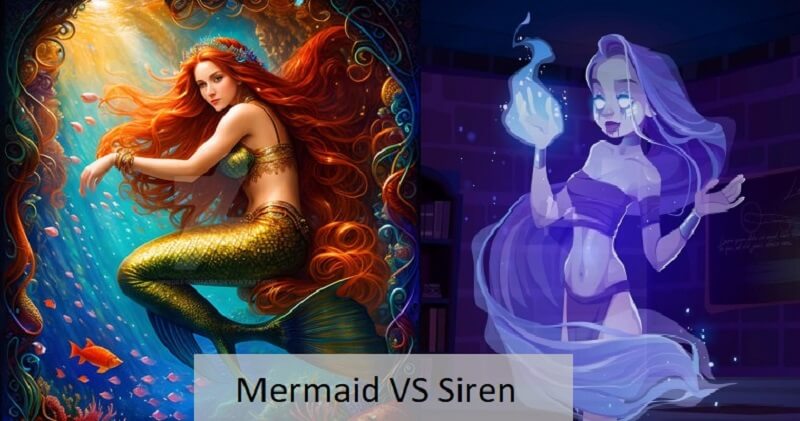
Difference Between Mermaid and Siren: Origins, Symbolism, and Pop Culture
People love mermaids and sirens because they sit at the crossroads of beauty, danger, and the mystery of the sea. Yet online, the terms “mermaid” and “siren” are constantly mixed up, especially in fantasy, gaming, and fan communities.
Beneath the surface, these creatures come from different traditions, carry different symbols, and have very different reputations. Mermaids tend to be linked with romance, mystery, and transformation, while sirens are rooted in Greek myth as deadly lures associated with shipwreck, temptation, and ruin.
This guide explains everything you need to know about the difference between mermaid and siren—clearly, practically, and with real‑world examples from mythology, literature, fashion, and modern media.
Key Takeaway
Mermaids and sirens are not the same: mermaids are usually half‑human, half‑fish beings from global folklore, often neutral or benevolent, while sirens originate in Greek mythology as part‑woman, part‑bird or later sea‑spirit figures whose voices lure sailors to destruction, symbolizing temptation and danger rather than simple enchantment.
What Are Mermaids and Sirens?
At a basic level, both mermaids and sirens are supernatural beings linked to water and to the power of attraction. That surface similarity is what causes them to be confused.
A mermaid is typically a mythological creature with a human upper body and a fish tail, often associated with seas, lakes, and rivers in many cultures around the world. Mermaids can be kind, cruel, tragic, or playful, depending on the story, but they are not automatically evil.
A siren, in the original Greek tradition, is a dangerous, otherworldly being whose song lures sailors off course. In early myths, sirens are more bird‑like than fish‑like, often shown as women with wings or bird bodies. Over centuries, popular culture blended sirens and mermaids, so in many modern stories a “siren” looks like a mermaid with a darker, more predatory twist.
History, Background, and Mythological Origins
Mermaids appear in a wide range of cultures: European folklore, Slavic legends, Middle Eastern tales, Asian stories, and more. Different traditions have different names and variations—such as rusalki in Slavic lore or selkies in Celtic stories (seal‑shifters) that are often grouped with mermaid‑type beings today.
Sirens, by contrast, come very specifically from Greek mythology. In classical sources, they live on rocky islands and sing irresistibly beautiful songs that cause sailors to crash their ships. Over time, medieval and Renaissance artists and writers merged the siren with fish‑tailed sea maidens, which is why the word “siren” gradually slid toward the mermaid image in later Western art.
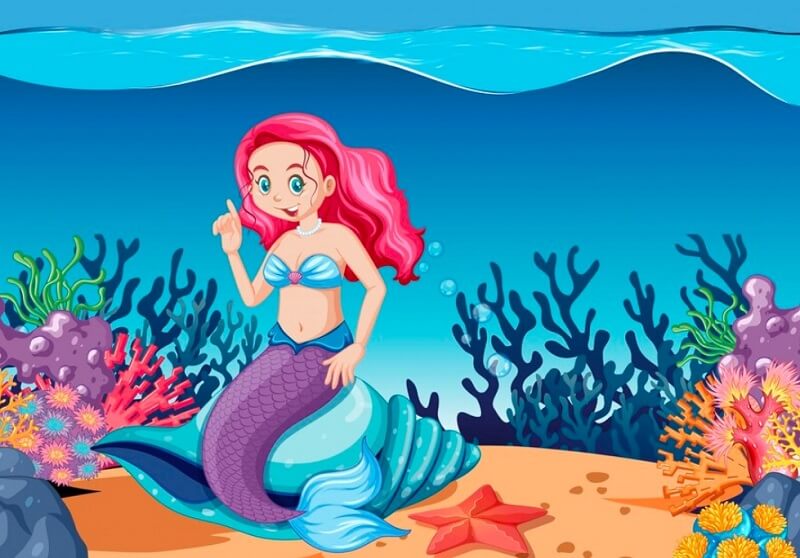
This evolution means that older texts and images often show sirens as bird‑women on cliffs, while modern fantasy or romance may call a seductive mer‑creature a “siren,” even if she looks exactly like a mermaid.
Main Types and Variations of Mermaids and Sirens
Because both creatures have spread across cultures and media, there are several recognizable “types.”
Mermaids: Common Variations
Benevolent or Neutral Mermaids
Often act as helpers, guides, or mysterious observers. Some stories depict them rescuing drowning sailors or falling in love with humans.
Dangerous or Vengeful Mermaids
In other tales, they pull sailors underwater, drag ships into storms, or punish those who harm the sea.
Freshwater vs. Saltwater Beings
Some legends locate mermaids in lakes and rivers (freshwater spirits), while others place them in oceans and seas, sometimes guarding particular coasts or harbors.

Sirens: Common Variations
Classical Bird‑Women Sirens
The earliest depictions show sirens with bird bodies or wings and female faces, perched on rocks or cliffs. Their power is almost entirely in their voice.
Hybrid “mer‑siren” Figures
Later medieval and modern art shifts them toward a fish‑tailed form, visually similar to mermaids but retaining the lethal singing and ship‑wrecking role.
Modern “dark mermaid” Sirens
Contemporary fantasy often uses “siren” for a mer‑like character whose primary trait is predatory allure—feeding on humans, hypnotizing victims, or embodying toxic temptation.
How Their Myths Work
At a story level, mermaid and siren myths follow different basic patterns.
How mermaid stories typically work:
- A human encounters a mermaid (at sea, on a shore, or underwater).
- There is a test of trust, love, curiosity, or greed—someone wants the mermaid’s love, her voice, her magic, or her freedom.
- The outcome is often bittersweet: either a tragic love story, a broken bargain, or a lesson about respecting boundaries between worlds.
How siren stories typically work:
- Sailors approach dangerous waters where sirens are known to sing.
- The siren song triggers obsession, sleep, or irrational behavior; sailors steer toward rocks or abandon their duties.
- The result is disaster: shipwrecks, drownings, or last‑minute escapes through cleverness or restraint (like blocking ears, as in the famous Greek story of Odysseus).
In both cases, the myth operates as a warning: mermaid tales often warn against careless love or exploiting nature, while siren tales warn against temptation, distraction, and self‑destructive desire.
Requirements, Traits, and “Rules” in the Myths
While mythology is not bound by literal rules, patterns show up across stories.
- Typical “requirements” for mermaids:
- Element: Always tied to water (sea, lake, river).
- Form: Human upper body, fish tail, sometimes the ability to adopt human legs on land.
- Powers: Beautiful voice, swimming speed, sometimes magic like healing, foresight, or weather influence.
Typical “requirements” for sirens:
- Element: Often near dangerous coastal areas, rocks, or islands rather than deep open sea.
- Form: Originally part‑bird, part‑woman; later sometimes part‑fish, part‑woman.
- Powers: Hypnotic song or sound; the voice is usually their main or only weapon.
In many traditional stories, humans cannot safely engage with sirens unless they neutralize the song. With mermaids, human–merfolk interaction can be risky but is not always doomed.
Pros & Cons (From a Symbolic and Storytelling Perspective)
Mermaids
Pros
- ✔ Flexible symbolism: can represent beauty, freedom, transformation, or the mystery of the sea.
- ✔ Adaptable to many genres: romance, children’s stories, dark fantasy, environmental allegory.
- ✔ Often relatable: many modern retellings frame the mermaid as a curious outsider or misunderstood figure.
Cons
- ✘ Can be overly romanticized and flattened into a cliché “pretty sea girl” without depth.
- ✘ Strong differences between cultures can be lost if only one gentle, Disney‑style image dominates.
- ✘ Darker, folkloric versions (vengeful, eerie mermaids) are sometimes ignored, which narrows the myth.
Sirens
Pros
- ✔ Strong, clear symbolism: temptation, distraction, self‑destructive desire.
- ✔ High dramatic tension: their presence instantly raises stakes in stories about journeys, choices, and willpower.
- ✔ Ideal for horror or dark fantasy: sirens naturally fit suspense, moral dilemmas, and psychological themes.
Cons
- ✘ Often limited to one note—“seductive and deadly”—if not developed beyond the stereotype.
- ✘ Confusion with mermaids can blur the original Greek myth and its richer symbolic background.
- ✘ In shallow portrayals, sirens can become just hyper‑sexualized villains instead of complex symbols.
Advanced Information
A deeper comparison shows how mermaids and sirens embody different human concerns.
Psychological symbolism
Mermaids often embody the unknown depths of the self: unspoken desires, emotional intensity, or the pull of a different life. Stories about mermaids giving up their tails, voices, or worlds for love can mirror real choices about identity, sacrifice, and belonging.
Sirens, by contrast, embody the dangers of unchecked impulse—the part of the mind that chases instant gratification despite obvious risk. Their song is not just pretty; it represents whatever “call” might distract someone from their purpose or principles.
Gender and power dynamics
Both creatures are usually depicted as feminine, which historically tied female beauty to both attraction and danger in patriarchal cultures. Modern retellings often flip this, using mermaids or sirens to critique stereotypes or to explore themes like autonomy, consent, and the objectification of bodies and voices.
Religious and moral readings
In some Christian and medieval interpretations, sirens were framed as warnings against lust and spiritual distraction. Mermaids sometimes merged with these ideas, becoming cautionary figures about vanity or sensuality. Contemporary storytelling often treats them less as moral “lessons” and more as characters with their own agency and inner conflicts.
How to “Use” Mermaids and Sirens
Step 1 — Choose which archetype you need
If the story or brand is about mystery, transformation, or environmental themes, mermaids usually fit better. If it is about dangerous allure, seduction, or inner conflict, sirens are a stronger choice.
Step 2 — Decide on visual design
- For mermaids: emphasize aquatic beauty—scales, fins, coral, pearls, flowing hair, shimmering colors.
- For sirens: add sharper edges—rocks, stormy seas, darker palettes, or bird‑like or predatory features.
Step 3 — Clarify their role in the narrative
Ask whether the creature is a guide, a test, a villain, a misunderstood outsider, or a mirror of the protagonist’s own issues. This will determine if you lean more into mermaid traits, siren traits, or a hybrid.
Step 4 — Signal the difference clearly
In copy, marketing, or worldbuilding, name and describe the creature in a way that tells audiences what to expect. For example: “These are not friendly mermaids; they are sirens whose songs can kill.”
Additional Features, Hidden Benefits, and Unique Elements
Mermaids and environmental messaging
Mermaids often serve as symbolic protectors of the sea in modern campaigns about plastic pollution, overfishing, or coral reef damage. Their human/sea duality makes them strong “bridge” figures between people and oceans.
Sirens and mental health metaphors
Some modern authors and artists use sirens as metaphors for addictive behaviors, intrusive thoughts, or self‑sabotage—the “song” is whatever calls a person away from what is healthy or meaningful.
Cultural specificity
Many cultures have their own water spirits with unique traits; treating them all as generic mermaids or sirens can erase local nuance. Creators who lean into specific myths (for example, Slavic, West African, or Polynesian water beings) can build richer, more original worlds.
Comparisons in Mermaid and Siren
A clear side‑by‑side “mermaid vs siren” table helps answer user intent fast and can win snippets:
| Feature | Mermaid | Siren |
|---|---|---|
| Core origin | Global folklore (Europe, Slavic, etc.) | Greek mythology |
| Original form | Human upper body, fish tail | Part‑woman, part‑bird (later merged with mermaids) |
| Typical role | Mysterious, sometimes helpful, sometimes dangerous | Deliberately dangerous, luring sailors to ruin |
| Main power | Beauty, voice, connection to water | Hypnotic, deadly song |
| Symbolism | Mystery, transformation, the sea, liminality | Temptation, distraction, self‑destruction |
| Modern pop image | Romantic, magical, visually glamorous | Dark, seductive, often horror or thriller‑oriented |
Expert Recommendation / Which Term Should You Use?
For accurate mythological discussions, use “mermaid” when you mean a half‑human, half‑fish being from global folklore, and “siren” when you talk about the Greek‑rooted figure whose song kills. Keeping the words distinct respects both the history and the symbolism behind each creature.
In fiction or branding, you can bend the rules, but clarity still helps. If you decide to call a dark, predatory mermaid a “siren,” consider explaining that choice in your lore or marketing copy so audiences know you are drawing on the more dangerous side of the tradition.
Conclusion (Strong, Positive, Reassuring)
Mermaids and sirens may seem similar at first glance, but they come from different mythological roots and carry very different meanings. Mermaids, in most traditions, are complex water beings who can be kind, cruel, or tragic, reflecting the mystery and unpredictability of the sea itself. Sirens are sharper and more focused: they are walking (or swimming) warnings about what happens when desire and distraction override judgment.
Understanding the difference between mermaid and siren not only clears up a common pop‑culture confusion but also opens up richer storytelling, better worldbuilding, and more precise symbolic use. Whether you are a fan, writer, gamer, or brand, treating these creatures as distinct gives you more tools to work with—more nuance, more depth, and more impact.
In a media landscape full of recycled images, knowing the deeper myths behind mermaids and sirens lets you create content that feels fresher, smarter, and more anchored in real storytelling tradition.
FAQs
What is the main difference between a mermaid and a siren?
Mermaids are usually half‑human, half‑fish beings from various folk traditions and can be benevolent or neutral, while sirens are originally Greek mythological creatures whose song lures sailors to their deaths, symbolizing temptation and danger.
Are sirens just evil mermaids?
Not originally. Classical sirens were part‑woman, part‑bird, not fish‑tailed. Modern fantasy often blends the two, turning “siren” into a darker, predatory version of a mermaid, but this is a later development.
Do mermaids and sirens both live in the sea?
Yes, both are commonly linked to the sea, but some mermaid‑type beings appear in lakes and rivers, while sirens are more often tied to rocky coasts or islands where ships can be wrecked.
Can mermaids and sirens change their form?
In many stories, mermaids can take on human legs on land or shift between human and aquatic forms. Some modern retellings give sirens similar shapeshifting abilities, but this varies by story and is not a strict rule of the original myths.
Which one is more dangerous, a mermaid or a siren?
Traditionally, sirens are more consistently dangerous; their entire myth centers on luring people to destruction. Mermaids can be dangerous in some stories, but in others they are protective or simply curious.
Why do people confuse mermaids and sirens?
Over centuries, especially in medieval and later European art, the bird‑like siren was mixed with the fish‑tailed mermaid image. Modern media often uses “siren” for any seductive sea woman, blurring the distinction further.
How have mermaids and sirens influenced fashion and aesthetics?
Mermaid‑inspired fashion favors iridescent colors, scale‑like textures, and flowing silhouettes, while siren aesthetics lean darker and more dramatic, emphasizing mystery, danger, and seduction.
Are mermaids and sirens used in environmental campaigns?
Yes. Mermaids are often used as symbols of ocean beauty and vulnerability, while sirens sometimes feature in darker campaigns that warn about the “call” of pollution, overconsumption, or neglect of the seas.