BoJack Horseman Ending — What the Finale Really Means (Explained)
When BoJack Horseman premiered in 2014 it looked like a joke: an animated sitcom about a washed-up sitcom horse. By the time it ended in 2020, it had become one of the most discussed — and studied — TV shows of the decade. Its final season refused easy answers: no tidy redemption, no complete ruin, only consequences and the possibility of slow change.
This article explains how BoJack Horseman ends, unpacks the symbolism and choices behind the finale, and places the ending in the context of the show’s major themes: responsibility, grief, fame, and the long, slow work of repair.
Quick Answer: Did BoJack Die? What Actually Happens
Short Version:
- No — BoJack does not die in the finale.
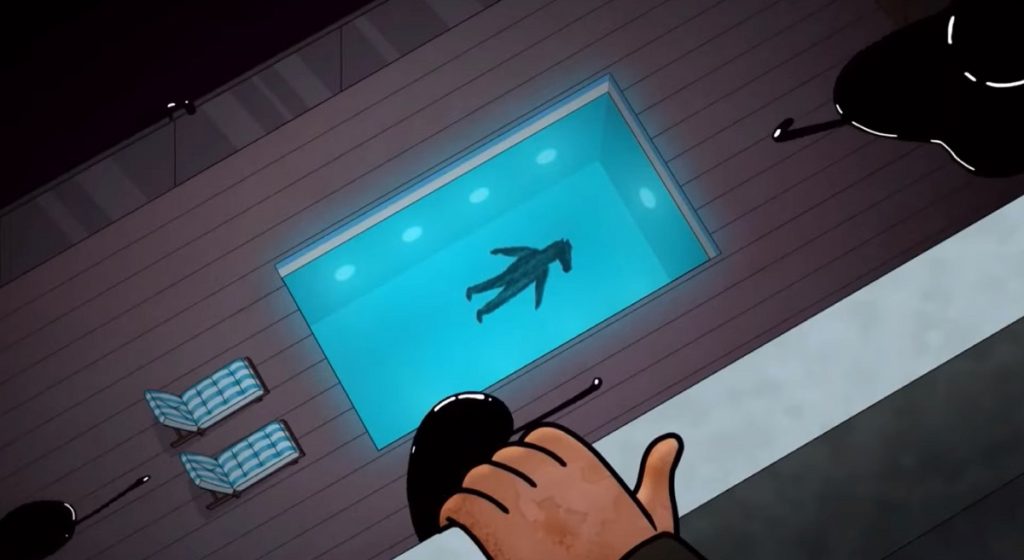
- He is found passed out in a pool after breaking into his old house while intoxicated. Although initially presumed dead, he wakes up in a hospital.
- He’s arrested and later sentenced to 14 months in a California state prison for breaking and entering (and related charges).
- The series ends with BoJack on temporary release (furlough) attending Princess Carolyn’s wedding, sharing a quiet, honest moment with Diane. The final image is deliberately ambiguous and quiet — not a dramatic redemption or a final punishment.
This ending rejects melodrama in favor of accountability plus ambiguity: BoJack faces real consequences but is not erased. The show closes on the possibility of continued struggle rather than a neatly packaged moral.
How the Finale Plays Out — Key Moments (Spoilers)
- Callbacks and Symmetry: The finale repeatedly echoes the show’s pilot (Horsin’ Around footage, interviews, and media cycles), connecting the end to the beginning — a cyclical, haunted structure.
- Breaking into the House: During a drug-and-alcohol binge, BoJack breaks into his old home (a callback to his nostalgia and self-destructive impulses). He’s found in the pool by the new owners.
- Presumed Death / Recovery: At one point he appears to be dead in the pool, but he later wakes up handcuffed in a hospital. The near-death moment works as both literal danger and symbolic reckoning.
- Legal Consequences: BoJack is charged and ultimately sentenced to 14 months. The sentence is real consequence — not theatrical punishment — and it’s meant to be a corrective, forcing him into confinement and introspection.
- Furlough and Wedding: We see BoJack one year later, released briefly to attend Princess Carolyn’s wedding. He has a raw, meaningful conversation with Diane while both stare at the night sky — a quiet coda to their long, messy friendship.
- Ambiguous Close: The last shot leaves room for interpretation: no full salvation, no total collapse. It asks whether accountability can coexist with small, human connections that make life bearable.

Major Themes the Ending Reinforces
1. Consequences > Spectacle
Throughout the series, BoJack escapes consequences again and again. The finale intentionally gives him mundane, bureaucratic consequences (jail time), not a dramatic death. This frames growth as slow and often unglamorous.
2. Repair is a Process
The show rejects the instant-redemption trope. The finale implies BoJack may be capable of small changes, but it doesn’t pretend he’s suddenly “fixed.” Real change requires time (and work).
3. Ambiguity Over Moralizing
The series resists preaching. BoJack is neither fully villain nor victim — and ending on ambiguity respects the complexity of his character and of real life.
4. Friendship and Accountability
Diane’s willingness to sit with BoJack, but not to absolve him, is the emotional heart of the finale. The show asks: how do people who hurt each other keep living together in some form?
The Most Important Episodes — Why They Matter to the Finale
If you want to understand the ending, these episodes are essential:
- “Free Churro” (S5E6): BoJack’s funeral monologue for his mother — stunning for its raw grief and insight into BoJack’s psyche.
- “Fish Out of Water” (S3E4): Almost wordless, this episode conveys isolation and the difficulty of connection — themes that return in the finale.
- “That’s Too Much, Man!” (S3E11): Sarah Lynn’s overdose; a key turning point that haunts BoJack and informs his moral calculus.
- “The View from Halfway Down” (S6E15): Near-death, surreal sequence about mortality and choices; it reframes the finale’s meditation on life and death.
- Finale episodes (S6 part 2): Resolve legal consequences and present the quiet closing scene with Diane.
Critical Reception & Cultural Impact of the Ending
Critics and fans were divided at first — some wanted a grand redemption, others favored the show’s refusal to tie everything up. Over time, the ending has been praised for its honesty: it honors the show’s commitment to realism and psychological nuance rather than offering contrived catharsis.
Academics, therapists, and critics continue to cite the finale in discussions about media portrayals of addiction, trauma, and accountability.
What the Ending Means for BoJack’s Future (and Ours)
The finale doesn’t promise a neat future — it offers something rarer: an invitation. The invitation is twofold:
- For BoJack: face punishment, live through reflection, try (imperfectly) to be better.
- For viewers: accept that people can be damaged and damaging, and that repair is imperfect and ongoing.
The show leaves room for further stories (a spin-off, movie, or stage), but narratively it closes the main arc: BoJack on pause, not erased; consequences, not spectacle.
Where to Watch
BoJack Horseman is available for streaming exclusively on Netflix (all six seasons). If you’re rewatching the finale, watch the episodes listed above to fully appreciate the thematic continuity.
FAQs — Quick Clarifications
Q: Does BoJack get full redemption?
A: No. The ending gives accountability and a possibility for change, not miraculous redemption.
Q: Why 14 months?
A: The sentence functions narratively as a credible consequence — long enough to force a reset, short enough to allow a compassionate, human coda.
Q: Is the final scene literal or metaphorical?
A: It’s intentionally ambiguous. The series blends realism and surrealism throughout; the closing scene functions as real and symbolic.
Bottom Line
BoJack Horseman ends the way it lived: honestly, painfully, and without cheap closure. The finale gives BoJack consequences and a small, human connection — a fitting end to a show that taught us the messy business of being human.