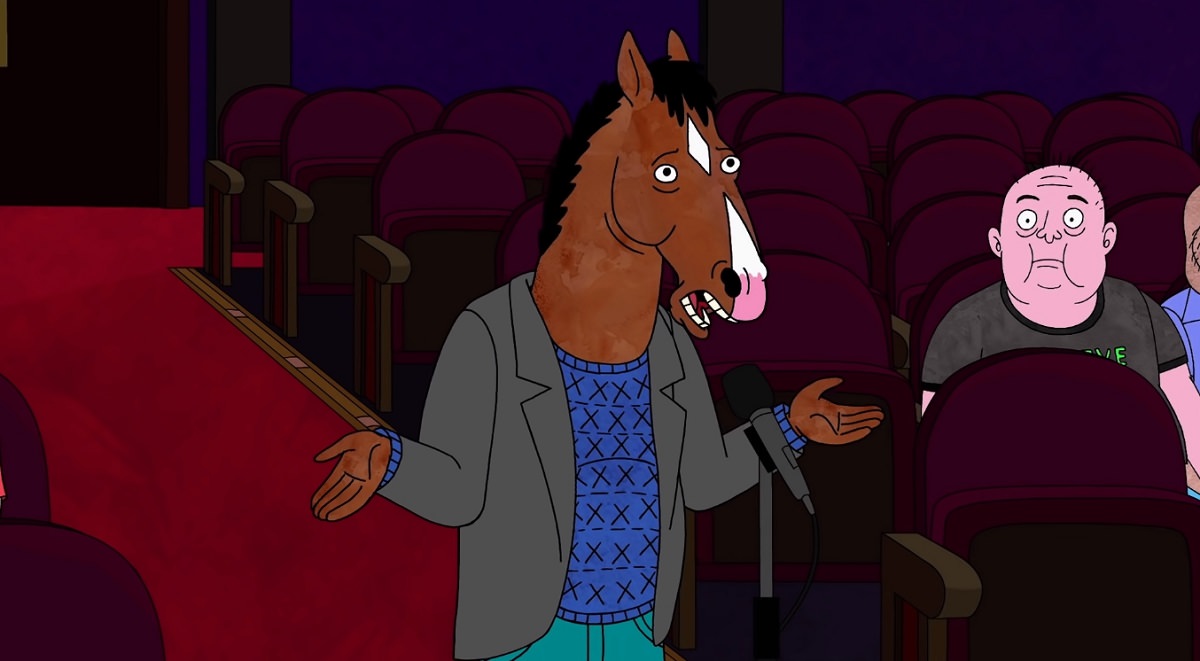
BoJack Horseman Voice Actors – The Talented Cast Behind the Characters
When BoJack Horseman premiered on Netflix in 2014, audiences expected a quirky animated sitcom. Instead, they got one of the most emotionally layered, sharply written, and philosophically rich TV shows of the decade.
Behind its success wasn’t just masterful writing — it was the voice cast, who delivered performances that made these anthropomorphic characters feel painfully human.
From Will Arnett’s gravelly portrayal of BoJack’s self-loathing to Aaron Paul’s earnest delivery as Todd, every actor brought something unique, helping turn the show into a cultural landmark.
This article dives deep into the main and supporting voice actors, their careers, and the emotional weight they contributed to BoJack Horseman’s six critically acclaimed seasons.
The Main Cast of BoJackHorseman
Each core actor added emotional depth, comedic timing, and unforgettable character moments that elevated the script. Here’s a full breakdown of the lead voice actors and their contributions.
Will Arnett as BoJack Horseman
Who voices BoJack Horseman?
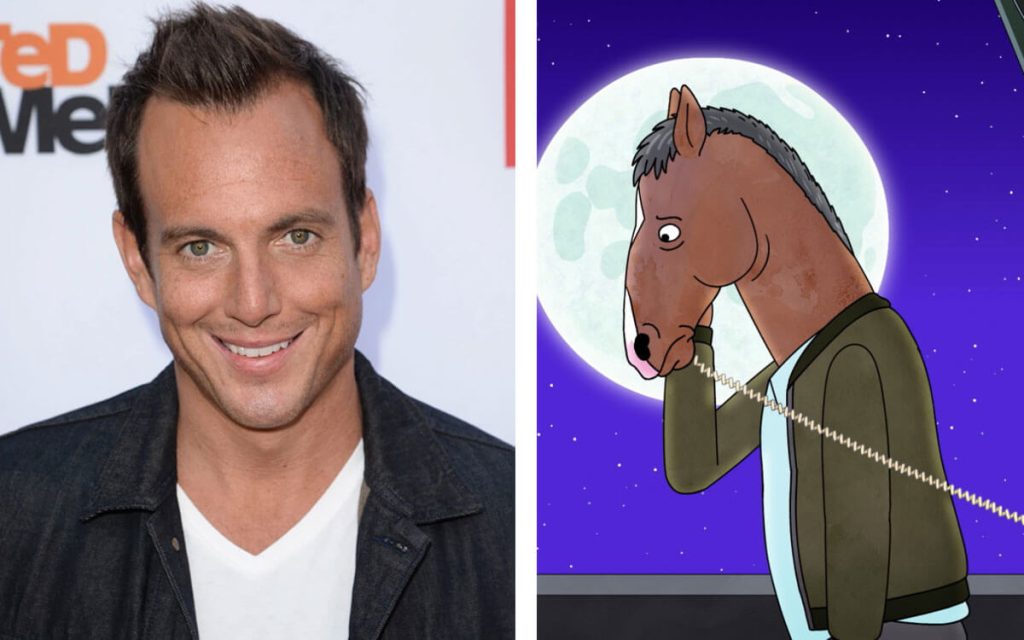
Will Arnett, known for his deep, gritty voice and dry humor, gives BoJack his signature sound — a mix of bitterness, sarcasm, and fragile vulnerability.
Why Arnett’s performance mattered
- The rough tone perfectly matched BoJack’s cynicism and self-destructive tendencies.
- Arnett delivered BoJack’s comedic lines with impeccable timing, balancing dark humor with surprising emotional sensitivity.
- His voice cracked intentionally during emotional scenes, creating some of the show’s most heartbreaking moments.
Arnett’s portrayal is widely praised in acting circles for its realism and emotional control, showing how voice acting can achieve the nuance typically reserved for live action.
Aaron Paul as Todd Chavez
Aaron Paul stepped away from his iconic Breaking Bad role to voice Todd, BoJack’s unpredictable, lovable roommate.
Performance Highlights
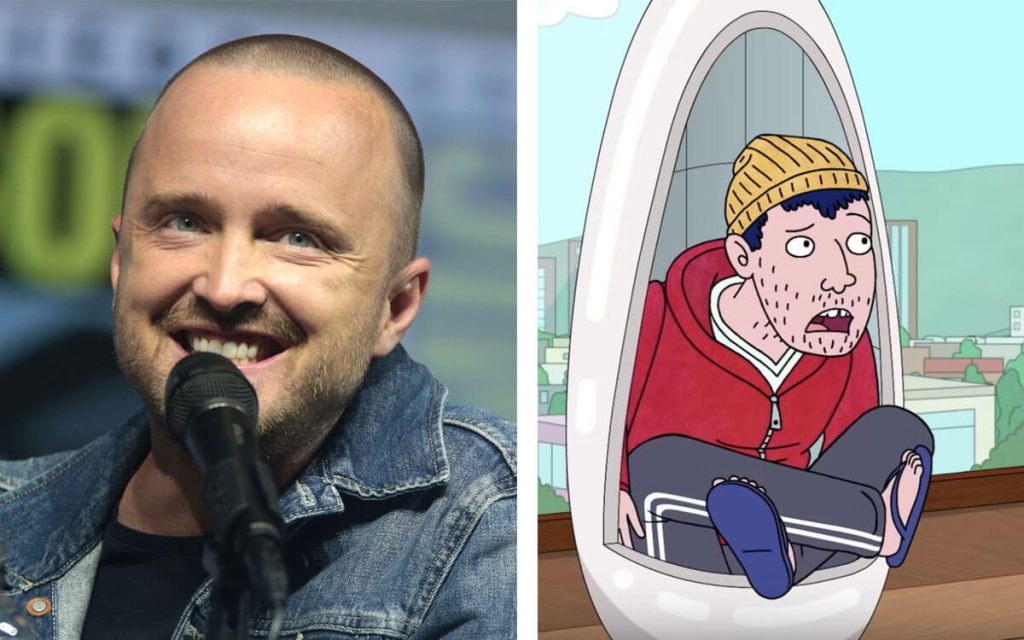
- His enthusiastic, goofy inflections captured Todd’s innocence and chaotic optimism.
- Paul’s vocal warmth added emotional depth as Todd confronted identity, purpose, and independence.
- His comedic timing elevated Todd’s memes, one-liners, and surreal adventures.
Why Todd works
Todd becomes the heart of the show — and Paul’s gentle, upbeat delivery is a major reason why.
Alison Brie as Diane Nguyen
Alison Brie voiced Diane with a grounded, emotionally intelligent tone that made her one of the show’s most relatable characters.
Key strengths
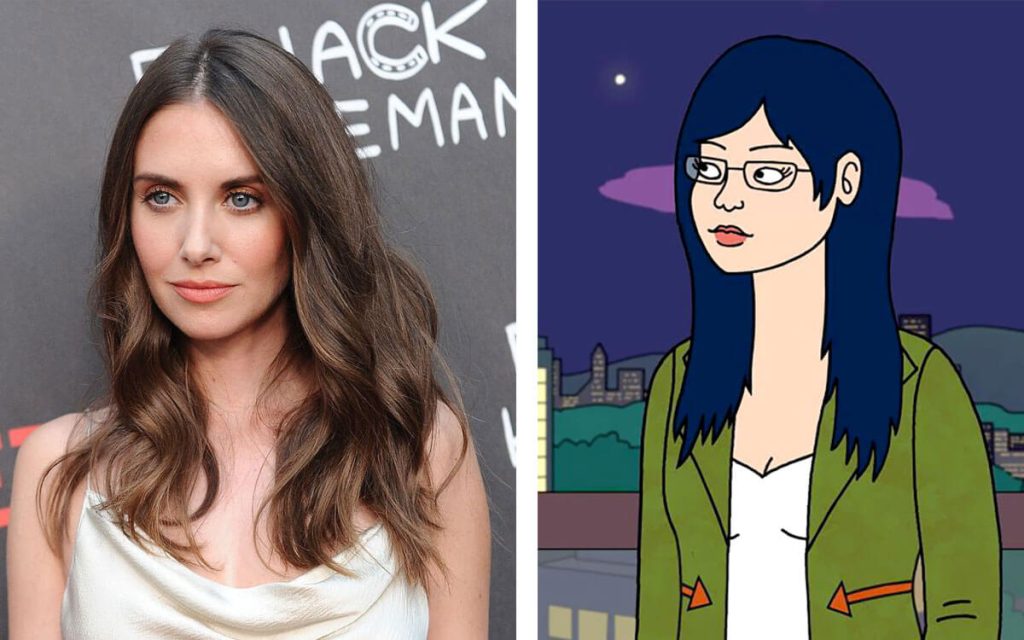
- Clear, articulate delivery matched Diane’s role as a writer, thinker, and social critic.
- Brie portrayed depression, anxiety, and existential questioning with subtlety.
- Her portrayal made Diane feel painfully human — flawed, seeking, and self-aware.
Analysis
Diane’s character arc relies heavily on Brie’s emotional range. She could deliver dry sarcasm, vulnerability, anger, and warmth effortlessly.
Amy Sedaris as Princess Carolyn
Princess Carolyn, everyone’s favorite pink Persian cat agent, was brilliantly voiced by Amy Sedaris.
What Sedaris Brought to the Role
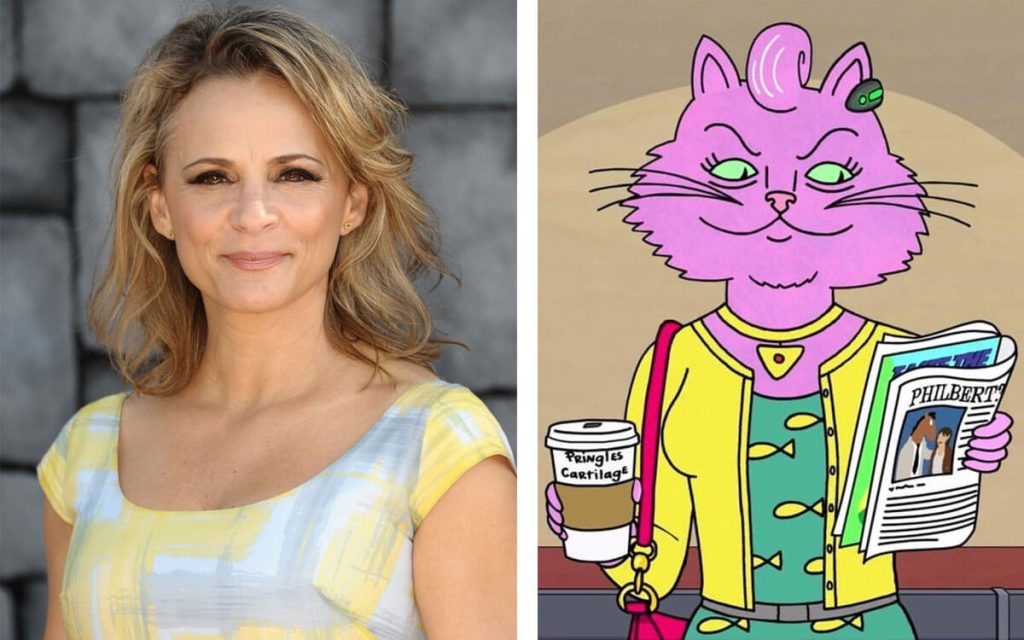
- Fast-paced comedic delivery for PC’s rapid-fire business talk and tongue twisters.
- Emotional range for moments about fertility, career burnout, and loneliness.
- A perfect blend of comedic chaos and grounded vulnerability.
Why her Performance is Loved
Princess Carolyn is both hilarious and heartbreaking — Sedaris captures both realities flawlessly.
Paul F. Tompkins as Mr. Peanutbutter
Paul F. Tompkins injects enormous energy and positivity into Mr. Peanutbutter, Diane’s ex-husband and BoJack’s eternal rival-friend.
Performance Strengths
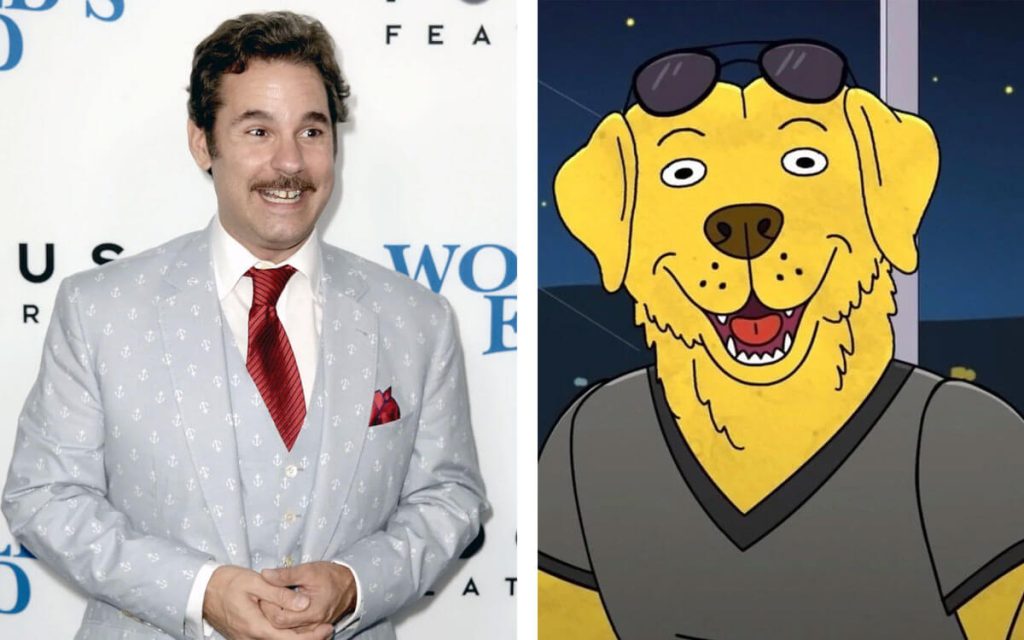
- Upbeat, enthusiastic tone that matches Mr. Peanutbutter’s extroverted personality.
- Light comedic delivery for his oblivious-yet-endearing behavior.
- Sparkles of emotional depth when his mask of positivity cracks.
Character Insight
Tompkins shows how relentless positivity can sometimes hide deeper loneliness — a recurring theme in the show.
Supporting Characters & Their Voice Actors
The supporting cast brought dimension and variety to BoJack Horseman. Some delivered humor, others heartbreak, and many gave the show its unforgettable emotional weight.
Aparna Nancherla as Hollyhock
Hollyhock Manheim-Mannheim-Guerrero-Robinson-Zilberschlag-Hsung-Fonzerelli-McQuack
(A name only BoJack Horseman could pull off!)
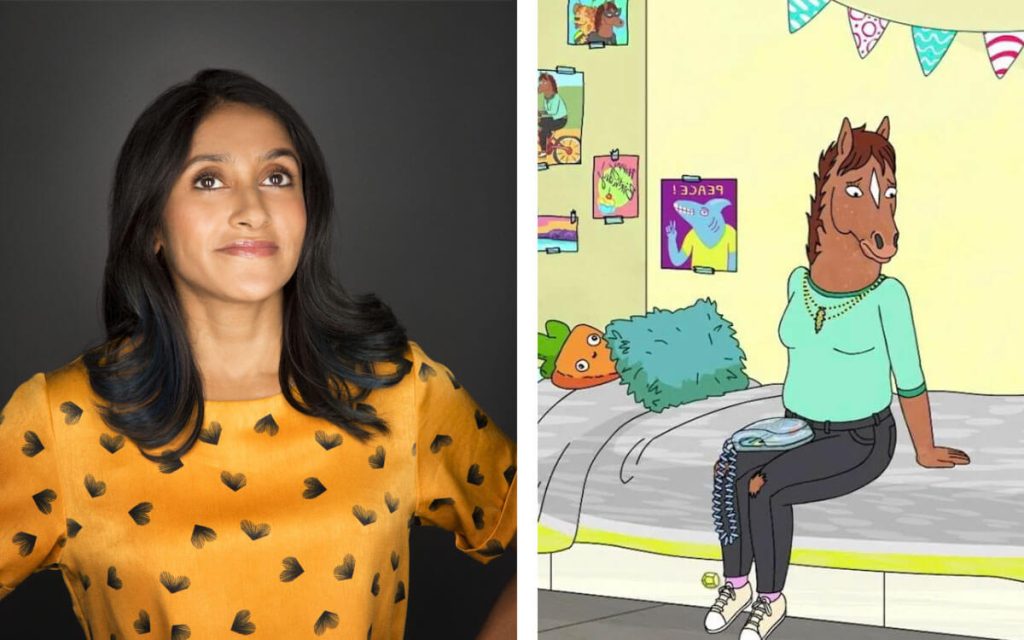
Why her performance stands out:
- Nancherla voices Hollyhock with youthful sincerity and emotional honesty.
- She balances innocence with frustration as Hollyhock navigates her identity and complex relationship with BoJack.
- Her tone reflects vulnerability without losing strength.
Impact
Hollyhock’s storyline wouldn’t feel nearly as tender without Nancherla’s soft, expressive delivery.
Margo Martindale as Herself (Character: “Margo Martindale”)
A recurring gag in the show, Margo Martindale plays a chaotic, exaggerated version of herself.
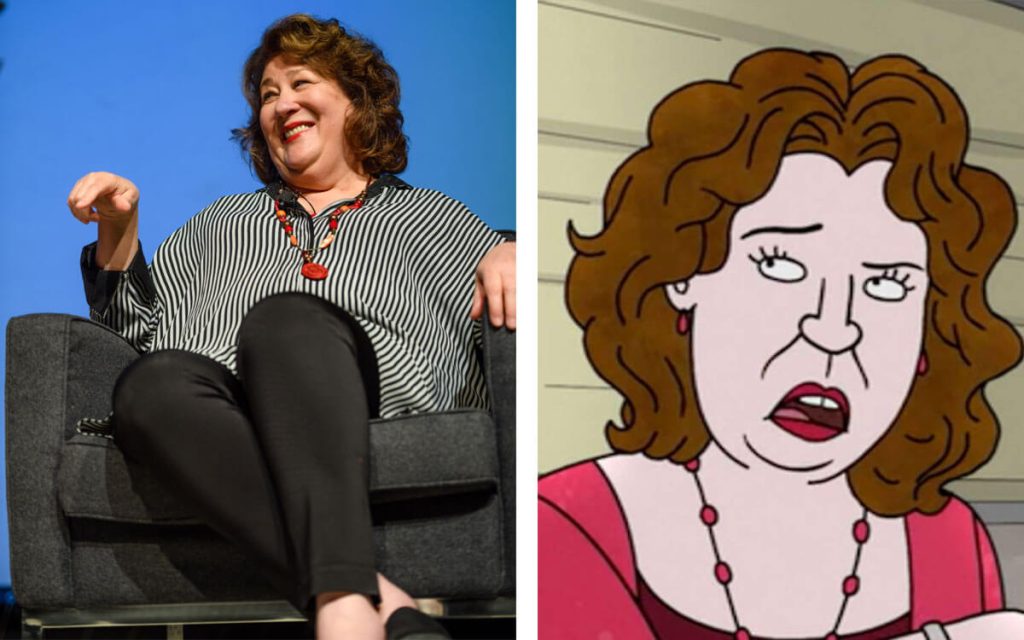
Highlights
- Over-the-top comedic moments delivered with intentional melodrama.
- Self-aware humor that pokes fun at Hollywood stereotypes.
- Exceptional timing that made her episodes fan favorites.
Why it works
Her voice acting is both parody and homage — and her willingness to laugh at herself elevates the comedy.
Stanley Tucci as Herb Kazzaz
Stanley Tucci delivers one of the most emotionally significant performances as Herb, BoJack’s former mentor and the founder of Horsin’ Around.
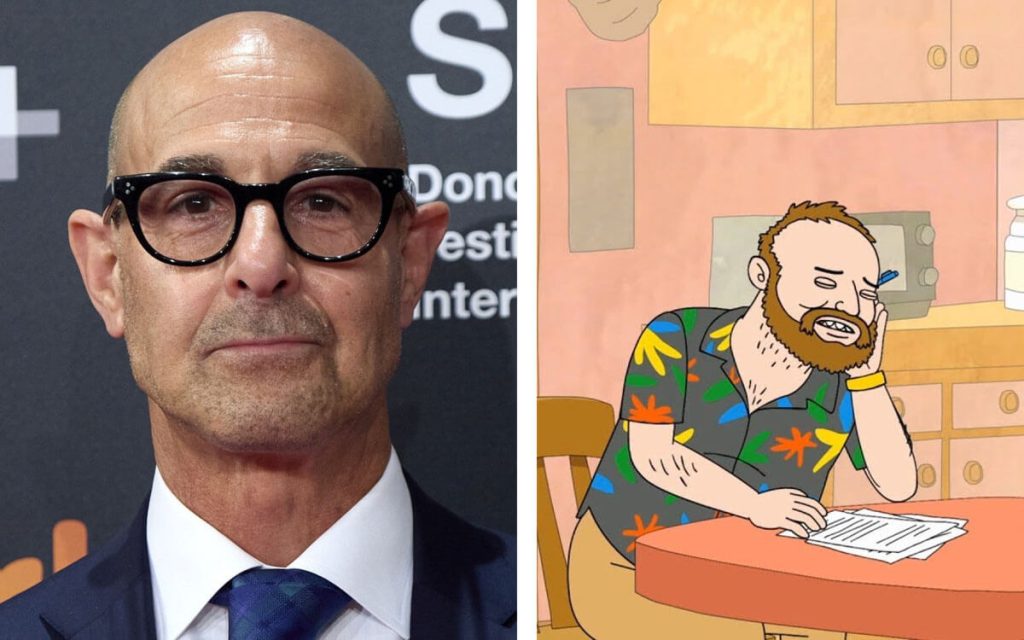
Tucci’s vocal strengths
- A calm, wise tone for moments of reflection and mentorship.
- Soft hurt and disappointment in the scenes addressing BoJack’s betrayal.
- Gravitas that makes Herb’s final conversation with BoJack one of the most important scenes in the series.
Why Herb matters
Herb represents BoJack’s moral crossroads — and Tucci’s performance gives that weight.
Kristen Schaal as Sarah Lynn
Kristen Schaal delivers one of the darkest and most emotionally layered performances in the series.
Schaal’s strengths
- Childlike tones reflecting Sarah Lynn’s lost innocence
- Sharp emotional delivery in scenes involving trauma, addiction, and fame
- Ability to switch between comedy and tragedy effortlessly
Why it’s iconic
Sarah Lynn’s tragic downfall is one of the show’s emotional pillars. Schaal’s voice work is a key reason those episodes are unforgettable.
J.K. Simmons as Lenny Turtletaub
J.K. Simmons voices the bombastic film producer Lenny Turtletaub.
Performance Features
- Confident, authoritative cadence
- Perfect comedic timing
- A blend of Hollywood bravado and genuine insight
Impact
Simmons gives Lenny the charisma needed to match the energy of Hollywood itself.
How Many Seasons of BoJack Horseman?
BoJack Horseman ran for six seasons from 2014 to 2020.
The final season was released in two parts — a format chosen to build narrative momentum and connection.
Throughout its run, the show earned:
- Critical acclaim
- Massive fan following
- Praise for tackling mental health, trauma, sexism, celebrity culture, and existential pain
The cast’s voice acting was a central pillar of that success.
Why Voice Acting Matters in BoJack Horseman
Voice acting in this series does more than make characters “sound alive” — it shapes their inner world.
Here’s why the performances stand out:
1. Emotional Precision
The actors deliver emotional beats with live-action-level subtlety.
2. Multi-layered Humor
Much of the comedy relies on vocal timing, tone, and pacing.
3. Character Depth
BoJack’s sadness, Todd’s warmth, Diane’s introspection, and Princess Carolyn’s resilience all depend heavily on vocal delivery.
4. Surreal Worldbuilding
Anthropomorphic animals need human relatability — the cast bridges that gap effortlessly.
Final Words
The voice actors of BoJack Horseman did much more than read lines — they built personalities, shaped emotional story arcs, and helped transform a surreal animated comedy into one of the most profound shows of the decade.
From Will Arnett’s painfully honest portrayal of BoJack to Amy Sedaris’s sharp, heartfelt delivery as Princess Carolyn, every actor contributed to the show’s lasting legacy.
Their performances made the characters unforgettable — messy, lovable, flawed, and painfully real.
BoJack Horseman may have ended, but the voices behind its characters continue to echo in popular culture, fan discussions, and emotional moments long after the final credits.