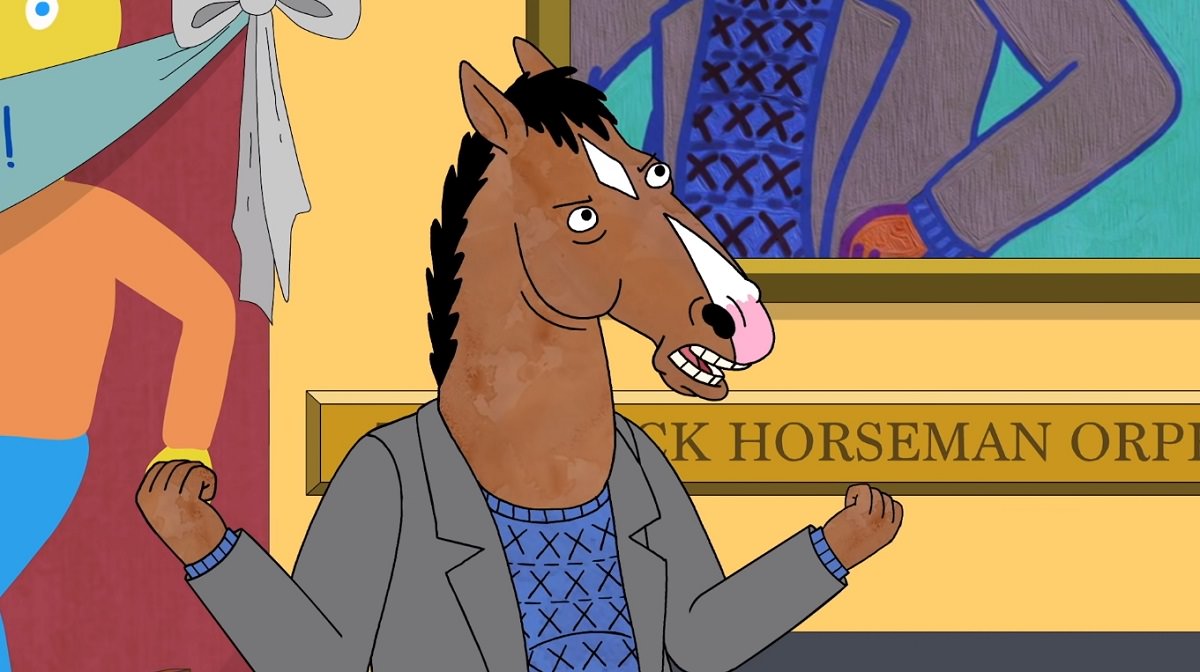
Why Was BoJack Horseman Cancelled? The Real Story Behind Netflix’s Decision
When Netflix announced that BoJack Horseman would end after its sixth season in 2020, fans around the world were stunned.
The show had grown from a quirky animated comedy into a deep, emotional exploration of fame, addiction, and redemption, earning critical acclaim and a devoted following.
So why did a series that seemed to have it all — praise, popularity, and purpose — have to end?
Let’s unpack the creative and business reasons behind the cancellation of BoJack Horseman, and what it says about Netflix’s changing approach to original content.
Netflix’s Early Risk-Taking Strategy
When Netflix first entered the world of original programming, it did something revolutionary — it bet on creative freedom.
Instead of canceling shows early, Netflix gave creators room to experiment, often renewing series for multiple seasons before they even premiered.
This gamble paid off with shows like BoJack Horseman, which didn’t start as a massive hit but slowly built a passionate audience through word of mouth and critical praise.
By Season 3, BoJack Horseman had become more than a comedy — it was a cultural statement, praised for its honesty about mental health, loneliness, and the price of fame.
Netflix’s Shifting Strategy
As BoJack Horseman reached its peak, Netflix’s overall strategy began to change.
Competition was heating up — with new streaming platforms like Disney+, HBO Max, and Hulu gaining ground.
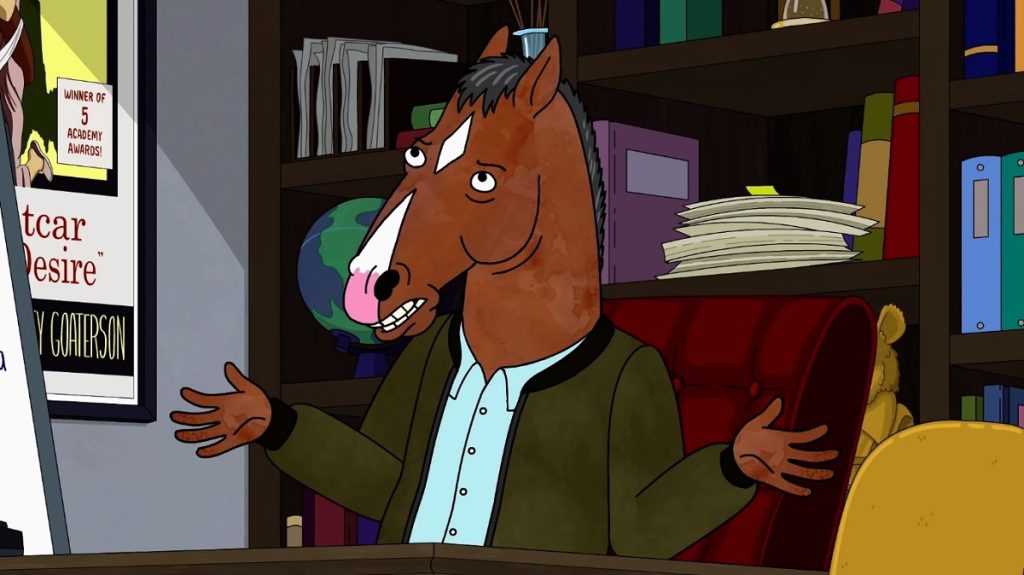
Netflix responded by focusing on quantity over patience, producing a flood of original shows across every genre.
This meant tighter budgets, shorter renewal cycles, and an increased focus on immediate performance metrics (like view hours and algorithmic engagement).
In short, Netflix stopped giving shows time to grow — and started expecting them to perform instantly.
While this approach helped Netflix maintain volume, it also meant that creatively daring, slow-burn series like BoJack Horseman became harder to justify.
The Cancellation That Marked the End of an Era
By the time Season 6 arrived in 2020, BoJack Horseman was still critically adored but operating under a new reality.
Creator Raphael Bob-Waksberg later confirmed that the decision to end the series came from Netflix, not from him.
Thankfully, Netflix gave the team enough notice to plan a proper conclusion — a rare luxury for cancelled shows.
This allowed BoJack Horseman to end on a bittersweet but satisfying note, wrapping up storylines without feeling rushed.
The show’s ending also marked the close of Netflix’s “golden era of creative trust,” when creators were given more control and time to tell bold, unconventional stories.
Was BoJack Horseman Based on a Real Person?
Fans have long speculated whether BoJack was inspired by a real celebrity.
In a 2015 interview, Bob-Waksberg clarified that BoJack is fictional, but he’s a blend of traits seen across Hollywood.
Many see reflections of figures like Bob Saget, Charlie Sheen, or Matthew Broderick — entertainers who faced the darker sides of fame.
But BoJack isn’t meant to mirror anyone directly. Instead, he represents the universal archetype of the washed-up celebrity chasing meaning after fame fades.
The Best Season of BoJack Horseman
Every fan has a favorite, but critics widely agree that Season 3 was the show’s creative peak.
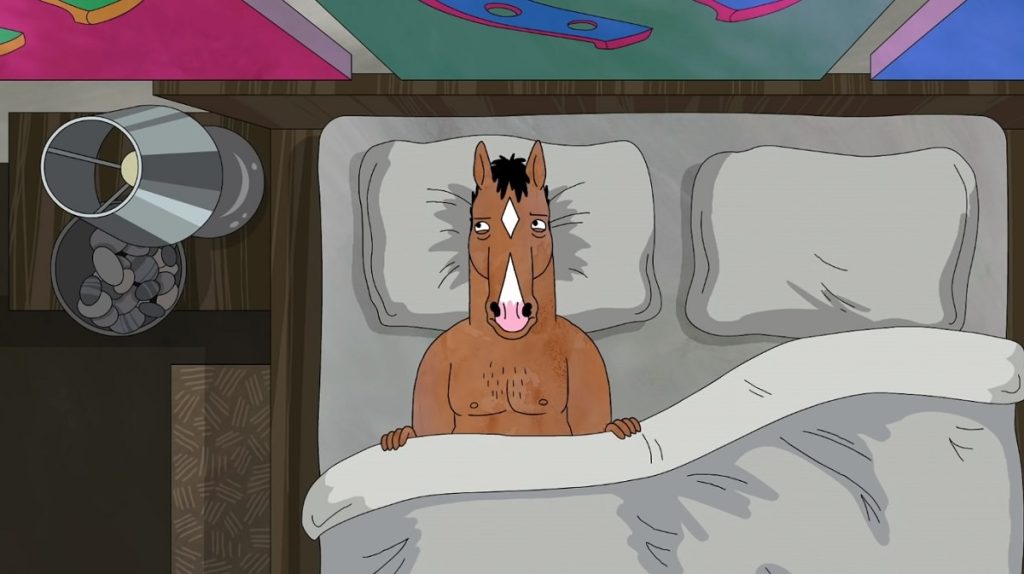
Episodes like “Fish Out of Water” and “That’s Too Much, Man!” pushed storytelling boundaries — one being almost entirely silent, the other emotionally devastating.
This season captured BoJack Horseman at its best: a perfect balance of humor, tragedy, and human insight that only animation could achieve.
Will There Be a Season 7 of BoJack Horseman?
For now, no.
Raphael Bob-Waksberg has expressed openness to revisiting the world of BoJack Horseman someday — maybe through a movie or spin-off — but the main story is complete.
The cancellation of Tuca & Bertie (created by BoJack’s artist Lisa Hanawalt) after just one season, despite critical acclaim, shows how the streaming landscape has changed.
Hanawalt herself blamed Netflix’s algorithmic system for not surfacing the show to the right viewers — a recurring issue for niche, creative series.
In today’s content-saturated environment, BoJack Horseman might not have even survived long enough to find its voice.
The Bigger Picture: What BoJack’s Cancellation Means
The end of BoJack Horseman wasn’t just the end of a series — it was the end of an era for Netflix.
The company moved from nurturing risky, groundbreaking art to mass-producing safe, wide-appeal content.
That shift changed what kind of stories get told — and how long they get to live.
Still, BoJack Horseman remains one of Netflix’s most important creations: a rare show that made audiences laugh, cry, and question their own humanity, all in the same episode.
Bottom Line
BoJack Horseman ended not because it lost relevance, but because streaming priorities evolved.
In chasing growth, Netflix had to make tough choices — and BoJack’s story became one of them.
But in the end, BoJack went out the same way he lived: raw, emotional, and unforgettable.
Its legacy continues to remind us that animation can tell stories every bit as powerful as live action — maybe even more so.