
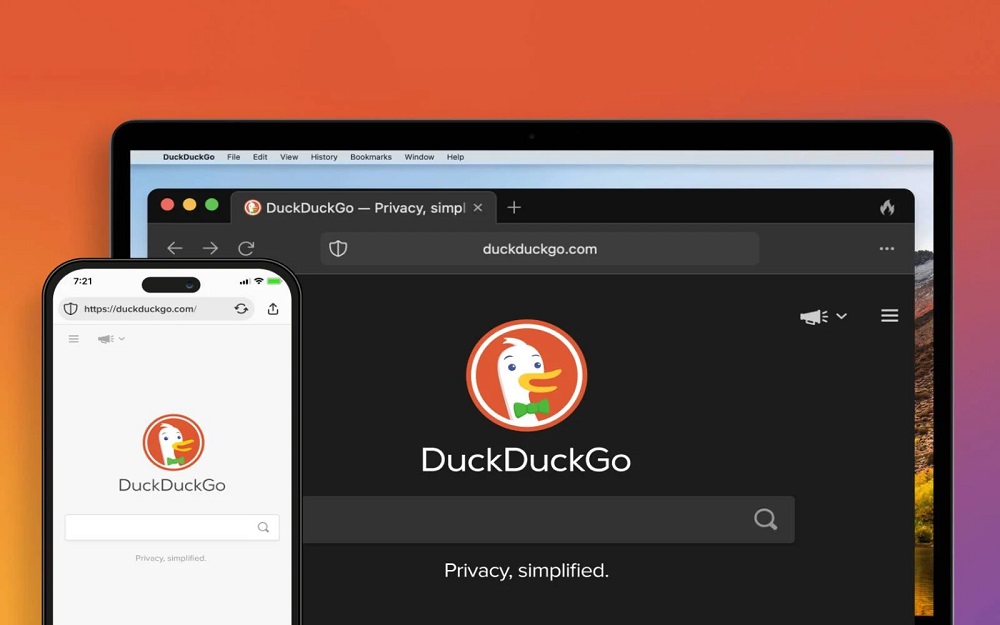
In a digital world where personal data has become the most valuable currency, DuckDuckGo stands out by doing something radically different: it refuses to track you.
Founded in 2008, DuckDuckGo offers a privacy-first search experience that does not store personal data, build user profiles, or follow people across the internet. This raises a natural and important question:
How does DuckDuckGo make money without tracking users?
The answer lies in a carefully designed business model that proves privacy and profitability can coexist.
Who Owns DuckDuckGo?
DuckDuckGo is a privately held company founded and led by Gabriel Weinberg, an entrepreneur and longtime advocate for digital privacy.
Weinberg launched DuckDuckGo after selling his previous startup to LinkedIn. His mission was clear from the start:
Build a search engine that does not exploit user data.
Unlike public tech giants, DuckDuckGo has no outside shareholders demanding aggressive data monetization, which gives it the freedom to prioritize long-term trust over short-term profits.
DuckDuckGo’s Core Business Philosophy
Most search engines follow a simple formula:
Collect data → build user profiles → sell targeted ads.
DuckDuckGo intentionally rejects this model.
Instead, it operates on three core principles:
- No personal tracking
- No behavioral profiling
- No stored search histories
This philosophy directly shapes how DuckDuckGo earns revenue.
How DuckDuckGo Makes Money (Without Tracking You)
DuckDuckGo generates revenue through privacy-safe monetization channels that rely on search intent, not personal identity.
1. Keyword-Based Search Advertising (Primary Revenue Source)
DuckDuckGo earns most of its money through contextual advertising, primarily powered by Microsoft’s Bing Ads network.
Here’s how it works:
- Ads are shown only based on the words you type
- No user history is used
- No personal profile is created
- Ads disappear once the search ends
Example:
If you search for “best noise-canceling headphones”, you may see ads for headphones — not because DuckDuckGo knows who you are, but because of that single query.
This is fundamentally different from Google, which may show ads based on:
- Your past searches
- Your location history
- Your YouTube activity
- Your Gmail content
DuckDuckGo does none of that.
2. Affiliate Revenue (Commerce Searches)
DuckDuckGo also earns affiliate commissions when users click product-related links.
Common partners include:
- Amazon
- eBay
- Other e-commerce platforms
If a user clicks a shopping result and makes a purchase:
- DuckDuckGo earns a small referral fee
- No personal data is shared
- No purchase history is stored
This method is privacy-neutral and widely used across the web.
3. Browser & App Ecosystem (Indirect Monetization)
DuckDuckGo has expanded beyond search into:
- Privacy-focused browser (desktop & mobile)
- Tracker blocking tools
- Email protection services
These products:
- Increase user trust
- Grow long-term adoption
- Strengthen the core search engine ecosystem
While most of these tools are free, they increase overall usage, which in turn boosts search-based ad revenue.
DuckDuckGo vs Google: Monetization Comparison
| Feature | DuckDuckGo | |
| User tracking | ❌ No | ✅ Yes |
| Personalized ads | ❌ No | ✅ Yes |
| Data profiling | ❌ No | ✅ Extensive |
| Ad targeting | Search keywords only | Behavior + history |
| Search history stored | ❌ No | ✅ Yes |
DuckDuckGo proves that ads don’t require surveillance.
Is DuckDuckGo Safe and Secure?
DuckDuckGo prioritizes security through:
- HTTPS encryption by default
- No stored IP addresses
- No search history logs
That said, no search engine can fully protect users from malicious websites.
Important clarifications:
- DuckDuckGo does not host content
- It indexes the web like other search engines
- Users should still use antivirus software
Privacy ≠ immunity from the internet itself.

Why Some People Criticize DuckDuckGo
Despite its strong privacy stance, DuckDuckGo isn’t without criticism.
Common complaints include:
1. Less personalized results
Because DuckDuckGo doesn’t tailor results to user behavior, some searches may feel less “fine-tuned” compared to Google.
2. Microsoft-related concerns
DuckDuckGo uses Bing’s index and ad system, which has raised confusion about Microsoft trackers. DuckDuckGo has clarified that:
- Ads are served contextually
- No user profiles are shared
- Tracking scripts are blocked where possible
3. No built-in malware scanning
DuckDuckGo blocks trackers, not viruses. External security tools are still recommended.
How Big Is DuckDuckGo Today?
As of the mid-2020s:
- Over 100 million daily searches
- Used as a default search engine on browsers like Safari
- Adopted by privacy-conscious individuals, journalists, and professionals
Its growth has been steady, not explosive, which aligns with its long-term trust strategy.
Careers and Growth at DuckDuckGo
DuckDuckGo operates as a fully remote company, offering roles in:
- Software engineering
- Privacy research
- Marketing & communications
- Product design
The company emphasizes:
- Ethical tech
- Sustainable growth
- Employee autonomy
Final Verdict: How DuckDuckGo Makes Money
DuckDuckGo makes money by:
- Showing keyword-based ads
- Earning affiliate commissions
- Expanding its privacy-focused ecosystem
All while:
- Not tracking users
- Not selling personal data
- Not building behavioral profiles
It’s a rare example of a tech company proving that privacy-first does not mean profit-last.