
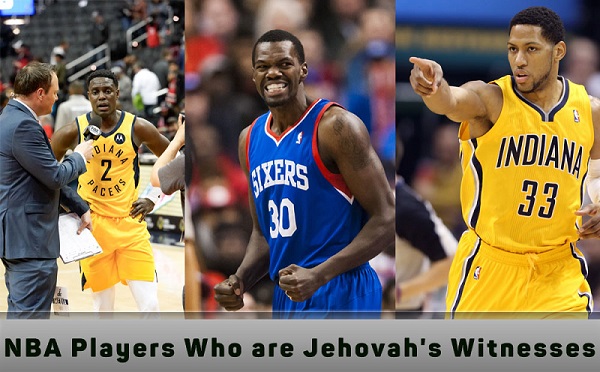
Religious diversity in professional sports is vast, but few groups are as widely recognized—or as often misunderstood—as Jehovah’s Witnesses. Despite strict lifestyle expectations and doctrinal limitations, several NBA players have embraced this faith while competing at the highest level of basketball.
Contrary to viral myths (“13 NBA players became Jehovah’s Witnesses”), only a small number of NBA athletes are confirmed to be Jehovah’s Witnesses.
The three widely verified names are:
- Darren Collison
- Dewayne Dedmon
- Danny Granger
These players exemplify how elite athletes can maintain high performance while honoring deeply held religious convictions. Their journeys offer insight into discipline, lifestyle balance, and identity—on and off the court.
Understanding the Faith: What Being a Jehovah’s Witness Means for an NBA Athlete
Jehovah’s Witnesses follow a lifestyle rooted in:
- Strict moral conduct
- Avoidance of political involvement
- Nonviolence (including refusal of military service)
- No blood transfusions, per doctrinal belief
- Prioritizing ministry and congregation meetings
- Modesty and avoidance of celebrity-style behavior
For professional athletes, this creates unique intersections with:
- Team culture
- Medical protocols
- Public events (national anthem, political stances)
- Media expectations
- Endorsement opportunities
Jehovah’s Witness athletes often navigate challenges unseen by the public, balancing league obligations with scriptural commitments.
VERIFIED NBA PLAYERS WHO ARE JEHOVAH’S WITNESSES (2025)
⭐ 1. Darren Collison (Most Notable Active Witness)
One of the most outspoken Jehovah’s Witness NBA players, Darren Collison shocked the basketball world in 2019 when he retired at age 31—while still highly sought after—to focus on ministry work.
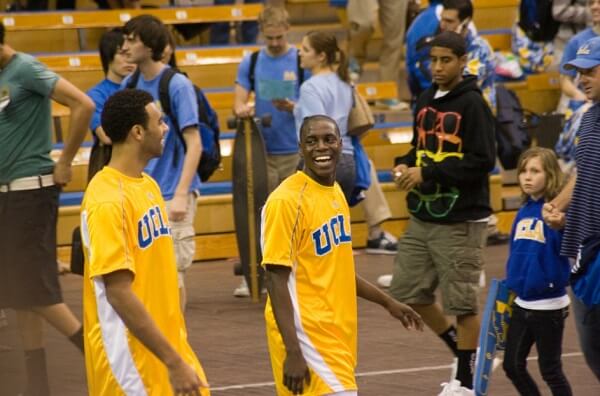
Key Facts
- Position: Point Guard
- Teams: Pacers, Kings, Mavericks, Clippers
- Known For: Elite efficiency, quiet leadership, professionalism
- Faith Impact: Retired early for religious commitments
- Status: Active Jehovah’s Witness
Why Collison Stands Out
Collison publicly stated that serving God was more important than continuing a multimillion-dollar NBA career. His statement significantly elevated public awareness of Jehovah’s Witnesses in professional sports.
He returned briefly in 2021 for workouts but ultimately maintained his ministry-first lifestyle.
⭐ 2. Dewayne Dedmon
Dedmon’s journey to the NBA is one of the most unique in league history. Raised in a strict Jehovah’s Witness household, he was prohibited from playing organized basketball throughout his teenage years.
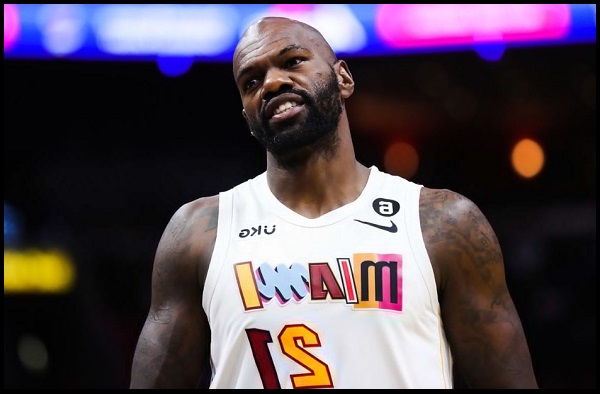
Key Facts
- Position: Center
- Teams: Magic, Spurs, Hawks, Heat, Kings
- Known For: Rim protection, late-blooming career
- Faith Impact: Religious upbringing influenced athletic development
Why Dedmon’s Story Matters
Dedmon didn’t play competitive basketball until age 18, after his mother (a devout Witness) shifted her stance. Despite such a late start, he reached—and thrived—in the NBA, making him one of the most inspiring, faith-focused athletes in the league.
⭐ 3. Danny Granger
A former All-Star and one of the league’s most intellectual players, Danny Granger converted to Jehovah’s Witnesses later in life, after retiring from the NBA.
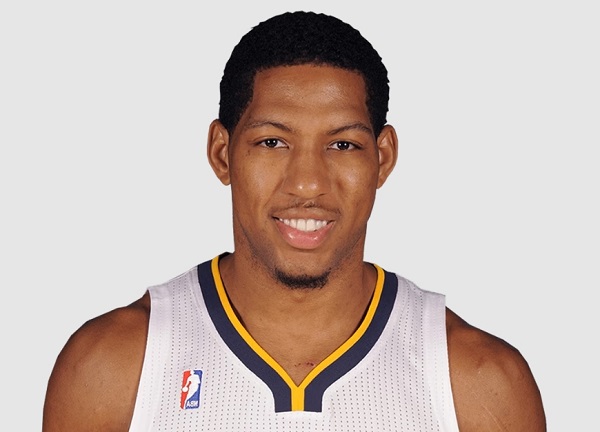
Key Facts
- Position: Forward
- Teams: Pacers, Heat, Clippers
- Achievements: 2009 NBA All-Star, Most Improved Player
- Faith Impact: Baptized after retirement
Why Granger’s Story Matters
Granger’s transition into his faith emphasizes the personal nature of spiritual awakening. His journey reflects how professional athletes often seek deeper identity and stability after leaving the competitive spotlight.
Common Myths About Jehovah’s Witness NBA Players
❌ Myth 1: “There are 13 NBA players who are Jehovah’s Witnesses.”
A viral social media rumor—completely false.
Only 3 are verified.
❌ Myth 2: “Jehovah’s Witnesses cannot play professional sports.”
False.
They can play sports as long as:
- They maintain moral conduct
- They avoid political participation
- They prioritize spiritual commitments
- They decline anything that conflicts with doctrine
❌ Myth 3: Players refuse medical treatment
Also incorrect.
They only decline blood transfusions, not medical care overall.
How Jehovah’s Witness Beliefs Affect NBA Careers
Being a Jehovah’s Witness influences an athlete’s lifestyle in very specific ways, creating challenges most fans don’t see.
1. Refusal of Military Service
Witnesses worldwide refuse military enlistment due to Biblical beliefs in nonviolence.
While unrelated to the NBA directly, players are sometimes asked about patriotism or service during interviews, which can create public misunderstanding.
2. No Blood Transfusions
This is the most medically significant factor.
NBA players risk:
- ACL tears
- Contusions
- Fractures
- Internal bleeding from severe trauma
Although transfusions are rare, the medical staff must be aware of a Witness player’s doctrine ahead of time.
3. Neutrality in Politics
Witnesses do not:
- Vote
- Participate in political protests
- Salute national flags
- Perform in nationalistic ceremonies
This can create subtle media pressure when athletes choose not to participate in symbolic gestures.
4. No Participation in Certain Team Celebrations
Many Witnesses avoid:
- Wild parties
- Alcohol-centered gatherings
- Superstitious rituals
- Gambling
- Certain music or entertainment settings
This may cause players to stand apart from team culture, but their professionalism often earns respect.
Why NBA Jehovah Witness Players Inspire Millions
Jehovah’s Witness athletes display traits that resonate deeply with fans:
- ✔ Consistency
- ✔ Humility
- ✔ Professional discipline
- ✔ Family-first values
- ✔ Integrity under pressure
- ✔ Balance between faith & fame
They embody the message:
“You can be successful without compromising your beliefs.”
The Cultural Impact of Jehovah’s Witnesses in the NBA
⭐ 1. Promoting Religious Awareness
Many fans learned about Witness beliefs through Collison’s retirement letter.
⭐ 2. Showing Alternative Career Paths
Collison’s shift to ministry work encouraged other athletes to think beyond fame.
⭐ 3. Encouraging Respect for Diverse Beliefs
In a highly expressive sports culture, Witness players remind audiences that private faith is equally valid.
⭐ 4. Shaping Modern Athlete Narratives
They offer a counterbalance to celebrity-driven lifestyles—showing that modesty can coexist with success.
Honorable Mentions & Close Associations
These individuals are NOT Jehovah’s Witnesses, but are sometimes mistakenly included online:
- Reggie Jackson – Not a Witness (rumor originated from a meme).
- Al Horford – Christian, not a Witness.
- Andrew Wiggins – Not a Witness.
- Serge Ibaka – Not a Witness.
Only the three confirmed players should be listed in a factual article.
CONCLUSION
Jehovah’s Witnesses in the NBA are rare, but the few who openly embrace the faith—Darren Collison, Dewayne Dedmon, and Danny Granger—demonstrate extraordinary discipline, humility, and conviction.
Their stories show:
- You can be a top athlete without sacrificing your values
- Faith can coexist with elite performance
- Personal beliefs can shape a meaningful career beyond basketball
Their lives exemplify a powerful message to young athletes:
Stay true to your values, and success will follow—with or without the spotlight.