
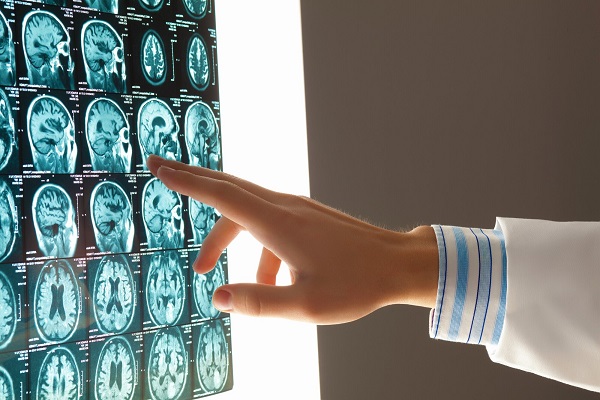
Pilomyxoid astrocytoma (PMA) is one of the rarest types of brain tumors primarily affecting kids. Diagnosing with PMA can feel scary, but it’s essential to know that doctors have found better ways to treat it, which means people can get better.
This article will explain astrocytoma treatment for PMA and what it means for patients and their families. Read on to find out more!
Understanding Pilomyxoid Astrocytoma
Before discussing treatments, let’s look at what PMA is. PMA is a specific kind of brain tumor that usually appears in a part of the brain called the hypothalamus.
The hypothalamus of the brain controls essential things our bodies do. Because PMA is there, it can make people have different problems like messed-up hormones, trouble seeing, and changes in thinking.
Treatment Options
Here are the different types of treatment options for PMA:
Surgery
Surgery is usually the first treatment for PMA. A neurosurgeon will try to remove as many brain tumors as possible without hurting the nearby brain parts.
Sometimes, they can’t get all of it, especially if the tumor is deep inside or mixed up with essential brain parts. So remember that surgery is a big deal and needs a lot of planning and skilled doctors.
You’ll be asleep with particular medicine during the surgery. Afterward, getting better might take some time, and you might have to stay in the hospital. You might also need some help with rehab to recover.
Chemotherapy
Chemotherapy means using strong medicine to fight and kill brain cancer cells. Doctors might suggest it when they can’t take out the whole tumor with surgery.
For kids with PMA, they might use chemotherapy to make the tumor smaller before doing surgery. However, chemotherapy can make you feel sick, tired, and not as strong.
Sometimes, chemotherapy can even make it easier to get sick. But don’t worry, doctors will watch you closely and give you extra care to help with these problems.
Radiation Therapy
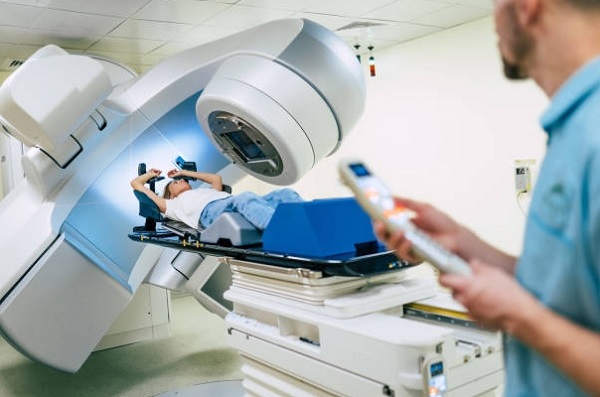
Radiation therapy uses intense beams to zap and get rid of cancer cells. They might use it if they can’t remove the tumor or the cancer returns after surgery.
Radiation therapy is planned carefully so that it doesn’t hurt the healthy parts of your brain. It might make you tired and lose your hair for a while, but these things usually get better
Supportive Care and Follow-Up
No matter what treatment you pick, getting good care is crucial. This means going to check-ups, getting pictures of your brain, and seeing how the tumor is doing. Sometimes, problems can arise, and catching them early is important.
Also, talking to someone who knows about feelings and thoughts can help you and your family deal with the challenging emotions of a PMA diagnosis. If you’d like to make a difference in the fight against cancer, you can give to the cause here by donating to a research fund.
Navigating the Path Forward with Pilomyxoid Astrocytoma
Getting told you have Pilomyxoid Astrocytoma can feel scary, but knowing what treatments you can get helps you and your family make good choices. Doctors are always learning new things about different types of brain cancer, so there’s hope for getting better.
Remember, you’re not by yourself in this. A team of doctors and nurses is here to help you every step of the way.