

Did you know that there are nearly 400,000 people held in pretrial detention in the United States? There is a lot of preconceived information out there about what pretrial detention is. People detained before trial are often labeled as dangerous, but this is not always the case. In some cases, people who have never committed any crimes in their lives stay for months or even years because they cannot afford bail money or get out on parole.
If you’re looking for more information on pretrial justice, the consequences of pretrial detention, and the length of pretrial detention, you’ve come to the right place. We’ll go over everything you need to know about the pretrial detention process and more. Let’s jump in.
What is Pretrial Detention?
Pretrial detention is the practice of keeping a person in jail before trial. It’s critical to use a criminal defense lawyer to help you understand the differences and the charges you or a family member face.
There are two types known as preventive detention and punitive detention. Preventive detention is when they keep a person because there is a risk they will flee or commit another crime if released from custody.
Punitive detention refers to holding someone who gets convicted of an offense until their sentence begins. Some get held because they can’t afford bail money to get released until their trial begins.
How Does Pretrial Detention Affect Defendants?
The negative effects of pretrial detention are not limited to defendants. Detained individuals may lose their jobs, homes, and families while incarcerated. They also may get separated from their children during this time.
Additionally, the mental health of these defendants can suffer as a result of detainment for long periods of time without conviction for any crime. The same goes for children and family members whose mental health and well-being suffer while their caregiver remains detained.
Why are People Detained Before Trial in the U.S.?
The purpose of pretrial detention is to ensure that defendants appear in court. Detention is used as a tool to coerce defendants into accepting a plea deal. Detention will sometimes force defendants to cooperate with prosecutors and provide information about others involved in criminal activity.
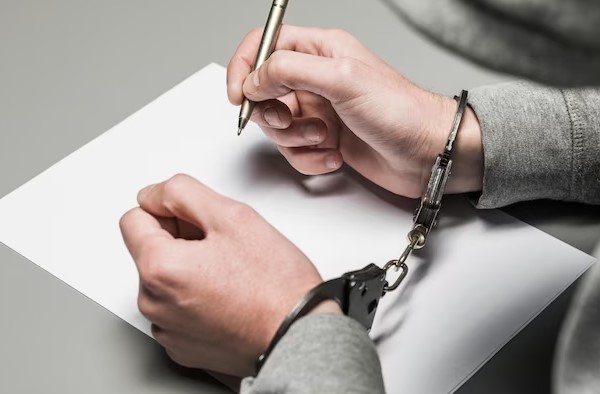
The Length of Pretrial Detention
Pre-trial detention can last anywhere from a few days to years. It depends on the crime and the judge, as well as whether or not you are considered a danger to society. If you have committed a serious crime and are considered dangerous, then it’s likely that your pre-trial detention will be longer than someone who hasn’t committed such crimes.
However, if you have access to legal representation and can prove yourself innocent in court, then there is a chance that your lawyer could get you out on bail early after being arrested for something minor like driving under the influence (DUI).
Get Help with Pretrial Detention Today
The U.S. judicial system is complex and difficult to understand. It’s important to seek legal counsel as soon as possible. Get the help you or your family need during the pretrial detention process.
For more information on legal questions and the legal system, check out the blog section. You’ll find helpful guides, resources, and more.