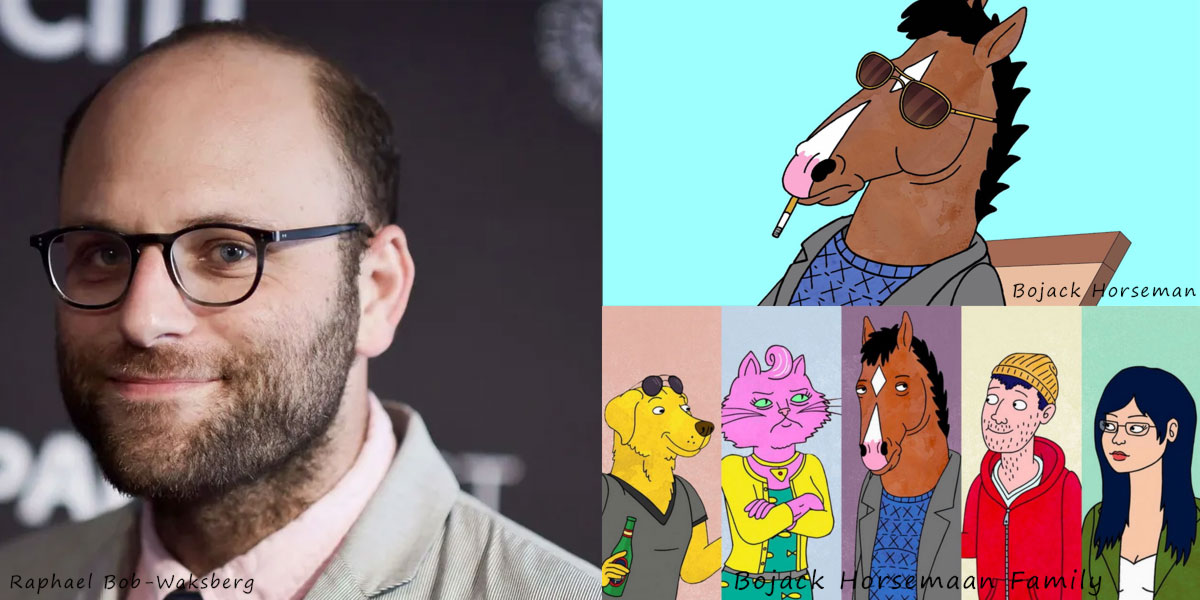
Few animated shows have ever blended humor, heartbreak, social commentary, and existential pain quite like BoJack Horseman. When it launched in 2014, no one expected a cartoon about a washed-up horse actor to become one of Netflix’s most celebrated and culturally significant series.
But behind the clever dialogue, emotional storytelling, and unforgettable characters stood a deeply talented team of writers — led by the show’s creator, Raphael Bob-Waksberg.
Their writing pushed boundaries, explored mental health with honesty, and delivered some of the most iconic episodes in adult animation history.
So, who wrote BoJack Horseman?
Let’s dive into the brains that built the world of Hollywood’s most troubled horse.
Raphael Bob-Waksberg: The Mastermind Behind the Series
At the center of BoJack Horseman is Raphael Bob-Waksberg, the show’s creator, head writer, and main creative force. His voice shaped the tone of the entire series — darkly funny, painfully honest, and surprisingly human.
He didn’t just create the character — he shaped the entire emotional language of the show.
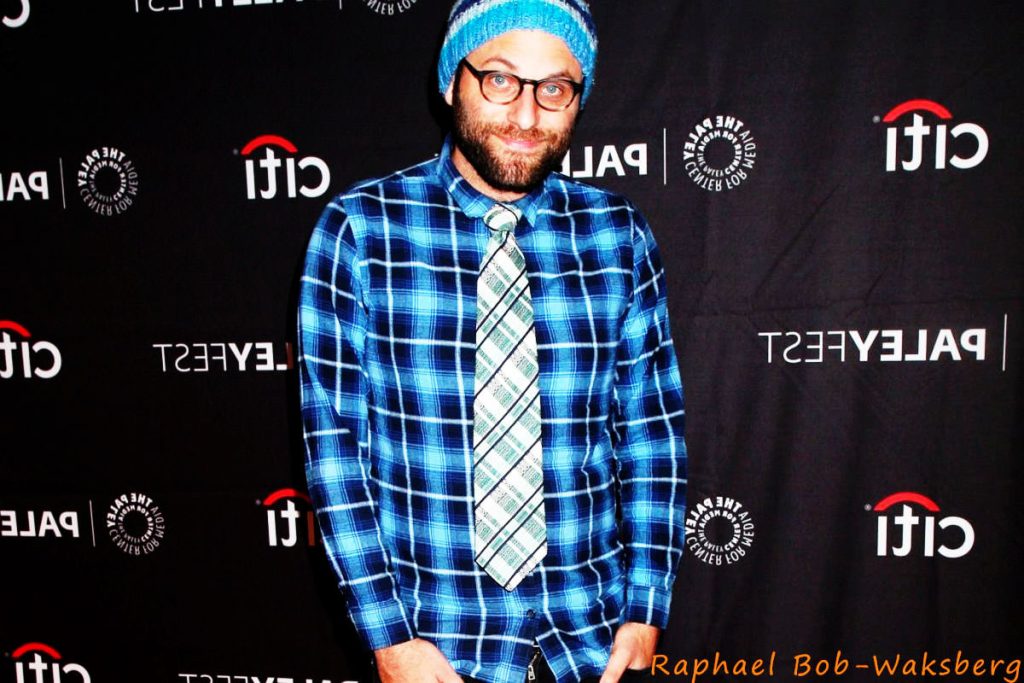
Bob-Waksberg personally wrote or co-wrote many of the show’s most beloved episodes, guiding the narrative arc across all six seasons.
How Bob-Waksberg Conceived the Idea
The concept behind BoJack Horseman started with a simple, surreal image: a talking horse living in the Hollywood Hills.
But Bob-Waksberg envisioned something deeper — a story exploring:
- Depression
- Substance abuse
- Childhood trauma
- Fame and failure
- Morality and consequences
- The pursuit of meaning
His genius was taking something absurd (a horse actor navigating Hollywood) and turning it into one of the most emotionally grounded shows of the decade.
Why Bob-Waksberg’s Writing Stood Out
1. A Blend of Humor and Emotional Honesty
He balanced sarcastic comedy with raw vulnerability — the show could make viewers laugh in one scene and break them emotionally in the next.
2. Realistic Depictions of Mental Illness
BoJack’s struggles weren’t played for laughs. They were treated with nuance, depth, and consequences.
3. Layered Characters With Realistic Flaws
No character was perfect. Not even close.
They made mistakes, learned slowly, and sometimes didn’t learn at all — just like real people.
4. Willingness to Tackle Difficult Topics
From addiction and abuse to misogyny, celebrity culture, and existential dread, the writing never held back.
Raphael Bob-Waksberg’s Other Works (Movies & TV Shows)
While BoJack Horseman is his most iconic creation, Bob-Waksberg’s portfolio spans multiple projects:
Television
- BoJack Horseman (2014–2020) — Creator, showrunner, executive producer
- Undone (2019–present) — Co-creator and executive producer
- Tuca & Bertie (2019–present) — Co-creator with artist Lisa Hanawalt
- BoJack Horseman Christmas Special: Sabrina’s Christmas Wish (2014)
Film
- The Lego Movie 2: The Second Part (2019) — Co-writer
- The Exquisite Corpse Project — Co-creator (with comedy troupe Olde English)
Bob-Waksberg’s career demonstrates a unique blend of surreal comedy, emotional storytelling, and character-driven writing.
Raphael Bob-Waksberg’s Net Worth and Achievements
Bob-Waksberg’s estimated net worth is around $10 million, largely earned through:
- Netflix contracts
- Screenwriting
- Producing
- Voice acting
- Film deals
He also voiced minor characters in BoJack Horseman, including background animals, a frog, a corgi, and quirky one-episode roles.
His influence reshaped adult animation — proving cartoons can explore complex emotions and still remain funny, artistic, and thought-provoking.
The BoJack Horseman Writers’ Room: The Creative Team Behind the Magic
Although Bob-Waksberg led the writing, BoJack Horseman succeeded because of a deeply talented writers’ team. Each contributed unique emotional depth, storytelling techniques, and iconic episodes.
Here are the major writers who shaped the series:
Mehar Sethi
One of the most important contributors, especially in Seasons 4–6, Sethi wrote several emotionally heavy episodes, including:
- “Stupid Piece of Sh*t” — a raw look inside BoJack’s self-hatred
- “The Dog Days Are Over” — Diane’s emotional journey in Vietnam
Her writing often explored trauma, identity, and the internal monologues of deeply flawed characters.
Peter A. Knight
A producer and writer known for:
- “The Amelia Earhart Story”
- “Xerox of a Xerox”
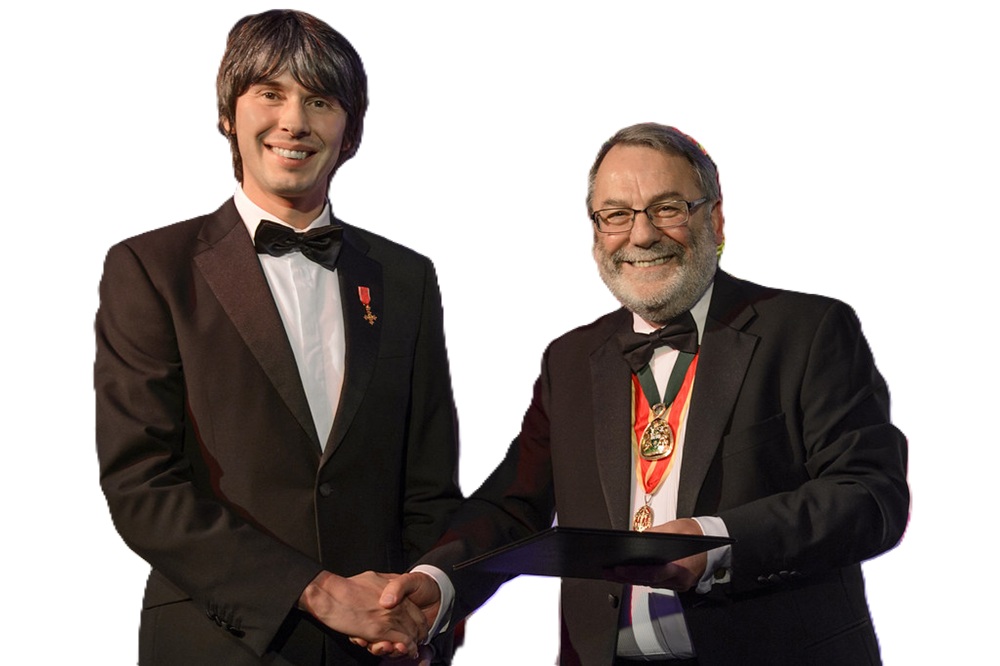
Knight’s narrative style often focused on personal discovery and the painful reality of healing from the past.
Elijah Aron
Elijah Aron co-wrote some of the most iconic episodes in the series, including:
- “That’s Too Much, Man!” — Sarah Lynn’s tragic spiral
- “Free Churro” — BoJack’s heartfelt, brutally honest monologue
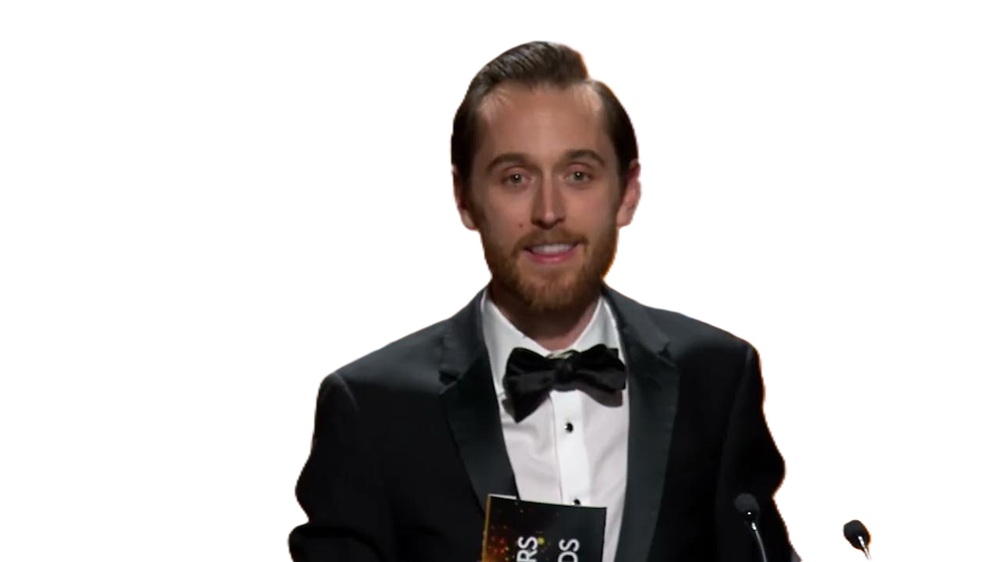
Few episodes showcase the soul of the show like these two, and Aron’s writing remains widely praised.
Joanna Calo
A key writer who focused on:
- Diane’s feminist arcs
- Princess Carolyn’s emotional struggles

Her episodes include:
- “Brrap Brrap Pew Pew”
- “Ruthie”
Calo’s writing gave nuance to female characters, exploring themes of empowerment, career pressure, and personal growth.
Kate Purdy
One of the original writers, Purdy wrote:
- “Downer Ending” — the trippy, drug-fueled, reality-bending episode that became a fan favorite

She later collaborated with Bob-Waksberg on Undone, another emotionally complex animated series.
Other Notable Writers
- Kelly Galuska
- Joe Lawson
- Jordan Young
- Alison Tafel
Each contributed to episodes that shaped the emotional arcs of characters like BoJack, Todd, Diane, Princess Carolyn, Mr. Peanutbutter, and Sarah Lynn.
Who is BoJack Horseman Based On?
Fans have long speculated whether BoJack resembles real-life celebrities.
The Truth?
BoJack is not based on any single person.
Bob-Waksberg has said multiple times:
“BoJack Horseman is not John Stamos or Bob Saget or Tony Danza. He’s an invented character that riffs on a lot of different personae.”
BoJack represents:
- The dark side of fame
- The washed-up Hollywood archetype
- A combination of stories from multiple real celebrities
He’s a mirror of Hollywood’s flaws rather than a reference to a single person.
The Closing Theme: “Back in the ’90s”
The end credits song, “Back in the ’90s,” is a nostalgic, bittersweet track written by Raphael Bob-Waksberg.
Performed by Hooray Perry (voiced by Ty Olsson), the song reflects BoJack’s psychological state — constantly haunted by the past.
Its lyrics perfectly capture:
- His rise to fame
- His emotional stagnation
- His longing for simpler times
The theme became an instant classic among fans.
Final Words
The writing behind BoJack Horseman set a new standard for adult animation. From Raphael Bob-Waksberg’s emotional depth to the brilliance of the writers’ room, every episode showcased the power of storytelling when mixed with honesty, humor, and vulnerability.
The series remains a cultural milestone — one that explores mental health, addiction, family trauma, and the cost of fame with unprecedented depth.
Thanks to the creative legends behind the show, BoJack Horseman continues to inspire discussions, reflections, and emotional connections long after its finale.